

What a Plastic Locker Really Is (Beyond the Product Sheet)
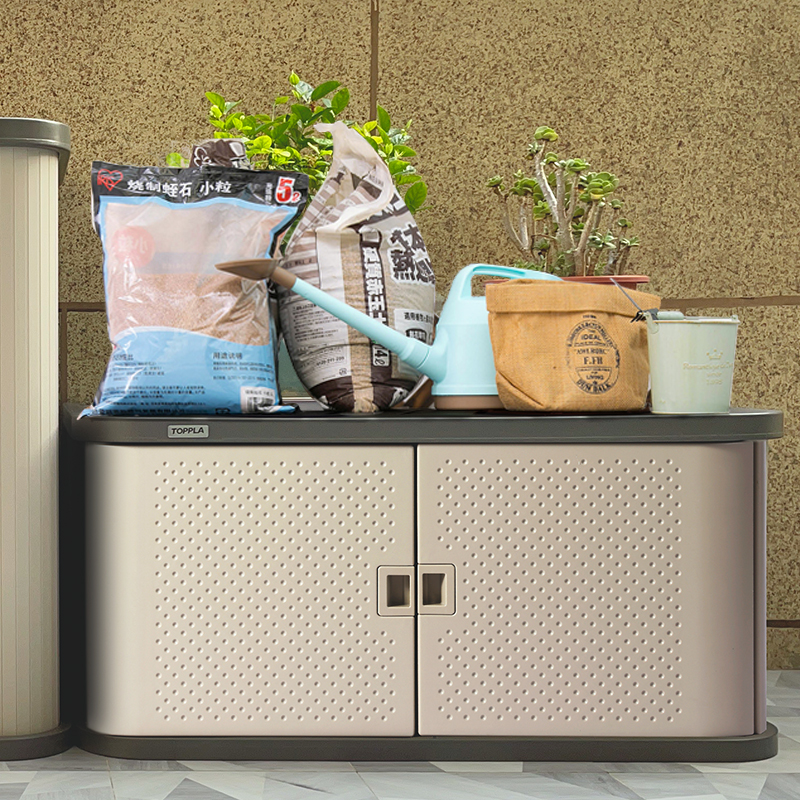
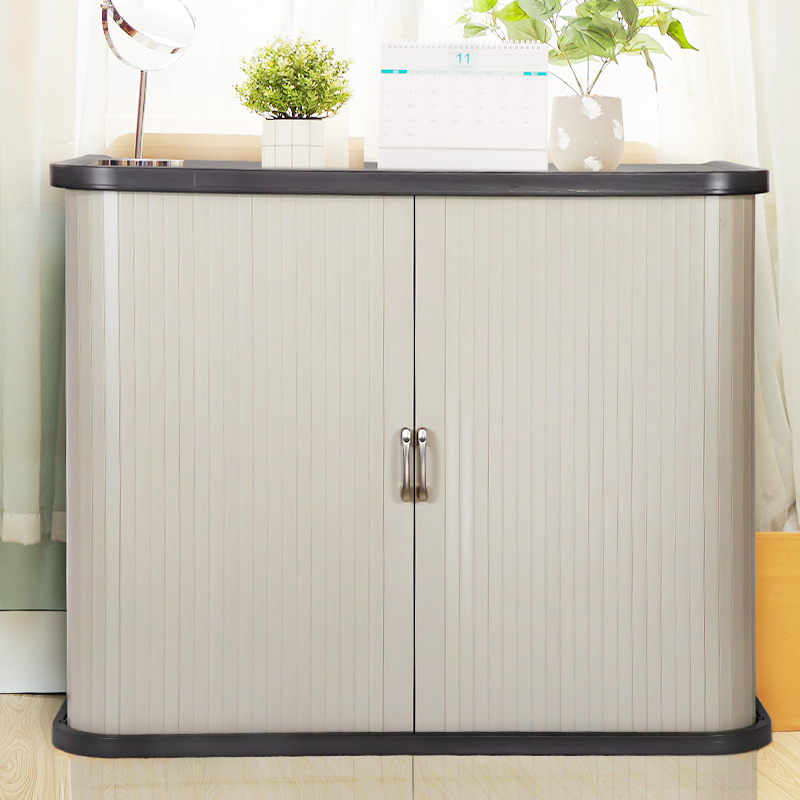
A plastic locker cabinet is a storage unit made from engineered plastics, most commonly HDPE. Unlike metal lockers, which rely on surface coating for protection, plastic lockers rely on the material itself for durability.
That difference sounds small, but it changes long-term behavior.
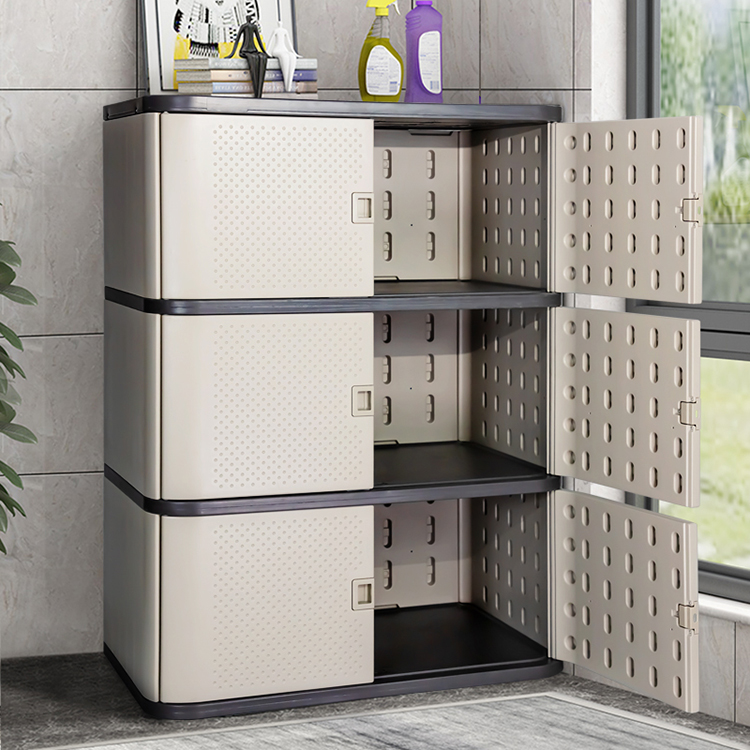
A typical system includes:
Structural panels
Plastic Locker Door assembly
Internal shelving layout
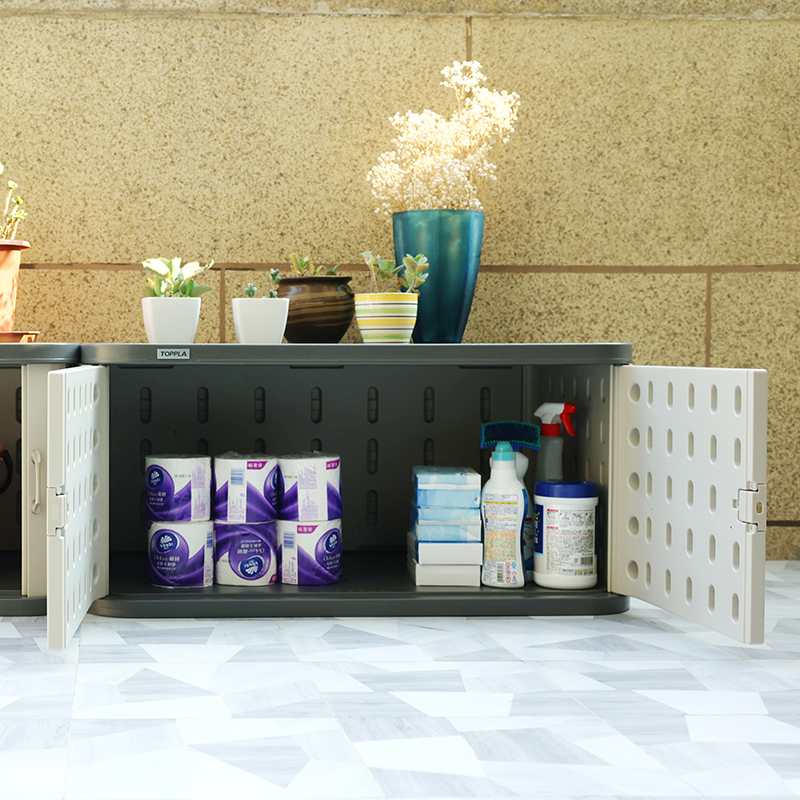
Ventilation gaps
Locking hardware compatibility
In higher-quality systems from established plastic locker manufacturers, the design is modular. That means panels can be replaced or reconfigured instead of replacing the entire unit.
Where Plastic Lockers Are Actually Used (Not Marketing Scenarios)
Schools and Education Spaces
Schools are still the largest application.
The reason is simple: usage is unpredictable.
Students don’t treat lockers gently. Doors are slammed. Bags are overstuffed. Surfaces are scratched daily.
In this environment, HDPE Plastic Lockers perform differently than metal units:
They don’t dent
They don’t rust
They don’t require repainting
Over time, schools notice less maintenance work and fewer replacement cycles.
Wet and Humid Facilities
Pools, spas, and fitness centers expose lockers to constant moisture.
Metal lockers struggle here. Corrosion begins at hinges and spreads.
Plastic behaves differently. A properly designed plastic locker storage system:
Does not absorb water
Does not rust
Maintains structural stability in humidity
This is why many aquatic facilities switch early, even if initial cost is slightly higher.
Industrial Workspaces
Factories and warehouses add another layer of stress:
Dust accumulation
Chemical exposure
Frequent handling
In these environments, durability matters more than appearance.
Plastic lockers are chosen not because they look modern, but because they avoid ongoing repair cycles.
Gyms and Public Facilities
Gyms are a mixed environment:
High humidity
High user turnover
Constant door movement
Here, the failure point is usually the door mechanism.
A strong Plastic Locker Door system with reinforced hinges performs significantly better over time compared to thin metal alternatives.
Why Facilities Gradually Move Away from Metal Lockers
The shift is not sudden. It usually happens after repeated maintenance problems.
1. Corrosion Becomes a Hidden Cost
Steel lockers don’t fail immediately. They degrade slowly:
First scratches
Then rust spots
Then structural weakening
Repair costs accumulate quietly.
2. Maintenance Workload Drops with Plastic
Once installed, plastic lockers rarely require repainting or surface treatment.
For facility managers, this reduces:
Annual maintenance schedules
Replacement planning
Cleaning complexity
3. Material Behavior Over Time
Plastic doesn’t “age” the same way metal does.
Instead of rusting or peeling, it gradually shows surface wear that doesn’t affect function.
4. Noise Reduction Is Often Overlooked
One detail many buyers notice only after installation:
plastic lockers are quieter.
Door closing sound is softer, especially in school corridors or gyms.
What Actually Defines a Good Plastic Locker
Not all systems perform the same. The differences are usually structural rather than visual.
1. Material Consistency (HDPE Quality)
Good HDPE Plastic Lockers use uniform density material.
Poor-quality versions often:
Feel hollow
Warp under heat
Lose rigidity over time
2. Door Structure Is the Real Stress Point
The Plastic Locker Door takes most of the daily impact.
A stable design usually includes:
Reinforced edge structure
Strong hinge support
Controlled opening resistance
If the door weakens, the whole system feels unreliable.
3. Internal Frame Strength
Even plastic lockers need internal support.
Without it, panels may flex slightly under load, especially in large units.
4. Ventilation Design
Ventilation is not just for odor control. It also affects humidity balance inside the locker.
Poor airflow leads to long-term moisture buildup in enclosed environments.
5. Modular Replacement Capability
This is something experienced buyers pay attention to.
Instead of replacing an entire plastic locker cabinet, modular systems allow:
Single door replacement
Panel replacement
Hardware upgrades
How to Choose a System Without Overthinking It
Start From Environment, Not Product Type
Ask a simple question:
Is the space dry, humid, or mixed?
That alone eliminates half the wrong choices.
Match Usage Intensity
Not every locker needs heavy-duty construction.
Light use → schools with controlled access
Medium use → offices, gyms
Heavy use → industrial and public spaces
Check Door Wear First, Not Color or Design
Most long-term issues come from door fatigue, not body structure.
Ask About Replacement Strategy
A reliable plastic locker manufacturer should explain:
Which parts are replaceable
How long parts are supported
Whether expansion is possible
Mistakes Buyers Realize Too Late
Choosing Based on Appearance
New lockers always look good. Performance only shows over time.
Ignoring Door Cycle Testing
A locker may look strong but fail after repeated use if hinge design is weak.
Overestimating Metal Familiarity
Many buyers assume steel and plastic behave similarly in storage applications. They don’t.
No Layout Planning
Once installed, rearranging large locker systems becomes difficult.
Underestimating Environment Impact
Humidity, cleaning chemicals, and temperature shifts affect long-term behavior more than expected.
Why Plastic Lockers Are Becoming Standard in Many Projects
The shift is not about replacing metal completely. It is about reducing maintenance uncertainty.
A well-designed plastic locker storage system:
Reduces repair frequency
Handles moisture better
Maintains appearance longer
Simplifies facility management
For schools and public facilities especially, predictability matters more than initial cost.
Conclusion
A plastic locker is often chosen for simple reasons, but its long-term value only becomes clear after months or years of use.
When the system is matched correctly to its environment, it quietly reduces maintenance effort and replacement cycles without drawing attention.
That is usually the real reason facilities continue using them.
FAQ
1. What material is used in plastic lockers?
Most are made from HDPE, a durable and moisture-resistant plastic.
2. Are plastic lockers stronger than metal lockers?
They don’t dent or rust, but strength depends on design and reinforcement structure.
3. Can Plastic Locker Doors be replaced individually?
Yes, modular systems allow single-door replacement in many designs.
4. Are HDPE Plastic Lockers suitable for schools?
Yes, they are widely used due to durability and low maintenance requirements.
5. Do plastic lockers require maintenance?
Minimal maintenance is needed, usually limited to cleaning and occasional hardware checks.
Final Summary
In real use, a plastic locker cabinet is not defined by its material alone, but by how it performs over time under repeated use and environmental stress.
When selected properly, it becomes a stable, low-maintenance storage system that reduces operational burden rather than adding to it.