

What Actually Happens Once You Put Plastic Lockers In
Middle school right after gym class. Kids come in sweaty and muddy. They stuff wet clothes into lockers and slam the doors. By the end of the week a metal locker bottom is already rusting from the moisture trapped inside. The nurse starts seeing more rashes from kids wearing damp stuff the next day. Put in plastic lockers with vents in the doors and air moves. Clothes dry. The lockers stay cleaner. The nurse sees fewer complaints.
Gym near the ocean. Salt air plus constant humidity. Old steel lockers started pitting inside a year and a half. Hinges froze. They were replacing doors every other year. Switched to plastic cabinets along the pool area. Three years later the same units still look new. No rust. No warped doors. Cleaning crew just wipes them instead of fighting corrosion.
Factory changing room. Boots, tools, occasional chemical splash. Metal lockers dented fast and paint came off. Workers started saying their stuff was getting dirty from rust flakes. Put in heavy plastic lockers with stronger doors. The lockers took the hits. Workers stopped grumbling. Maintenance stopped spending weekends fixing them.
University laundry room had wooden lockers that swelled and grew mold after a pipe leak. Swapped to plastic. Same leak happened again later. Plastic units came through with nothing damaged. Students could still use their space the next day.
These things happen in any place where moisture and daily rough use meet traditional lockers.
The Costs That Sneak Up When You Don’t Switch or Pick Cheap Ones
You keep the metal lockers because they “still work.” Rust eats the bottoms. Every spring the maintenance crew grinds and repaints. The paint budget keeps climbing. Kids start avoiding certain lockers because doors jam or shelves have sharp edges.
Gym buys the cheapest plastic lockers they could find. Within a year doors sag because the plastic is thin and hinges are weak. People jam them shut with whatever’s handy. Front desk spends time every week unjamming doors and calming people down. The money they saved at the start disappears in staff time.
School picks lockers that look fine in the pictures but can’t take real hits. After one semester of bags flying and doors getting kicked, several have cracked doors and broken latches. They end up replacing whole sections instead of just keeping them going.
You pick lockers without thinking about cleaning. Dirt gets stuck in the seams. Scratches show everything. Custodians spend extra time scrubbing. In a tight budget that extra work adds up. In a gym or pool the trapped moisture starts smelling and people notice.
These problems usually show up in year two or three, not right away.
How to Pick Plastic Lockers That Won’t Become a Headache Later
Look at where they’re actually going. Dry hallway or wet pool deck? Coastal air or factory chemicals? HDPE handles moisture and most chemicals without falling apart. That’s why it works in gyms, pools, coastal schools, and industrial changing rooms. Some drier office spots use ABS when they want something more rigid and finished-looking, but it doesn’t hold up as well when things stay wet.
Think about real daily abuse. Kids and athletes throw stuff. Look for reinforced doors and solid build that takes hits without cracking or denting. Thin or weak ones show damage fast and start looking bad.
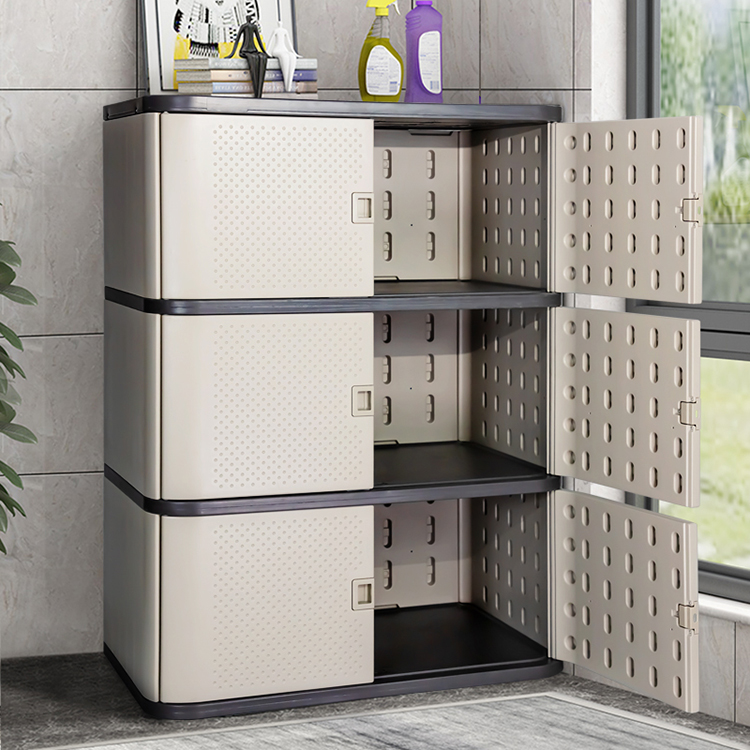
Door style matters. Solid doors give more privacy. Vented doors let air move so wet clothes dry instead of staying damp and smelling. Lots of schools mix both — solid for books, vented for gym gear.
Locking options. Padlock hasps are simple. Built-in key or combination locks cut down on lost keys and arguments. Electronic options work in bigger places where you want tracking. Pick what fits how the space is watched.
Customization helps. Some makers let you change heights, mix door types, add name plates, or match school colors. In a place with different age groups or house systems, that flexibility saves trouble later.
Installation and fixes should be easy. Plastic is lighter than steel so fewer people can handle setup. Good ones have simple mounting. When something breaks, modular designs let you swap just the door or latch instead of the whole thing.
One type that keeps working in places I’ve seen is the heavier HDPE school and gym models with reinforced doors, vented or solid options, and straightforward padlock or key systems. They handle wet conditions and rough use without turning into constant repair work. Makers who keep common parts in stock make the long-term decision easier.
What Actually Tells You Whether These Will Still Be Good in Five or Six Years
Thickness and how it’s built. Thicker HDPE with reinforced corners and doors holds up better when things get knocked around. Seamless molding means fewer places for dirt and moisture to hide.
Ventilation. Good airflow stops the musty smell from wet gear left inside. Solid doors give privacy where it matters.
Locking strength. Hasps or integrated locks that resist tampering matter in places with less supervision. Electronic versions add tracking in bigger setups.
Resistance to water and chemicals. Real HDPE doesn’t mind water, most cleaners, or salt air. That’s what keeps them working in pools, coastal schools, and industrial spots.
Impact resistance. Plastic often handles real hits better than metal. A good door bounces back from a kick or thrown bag. Metal dents and stays dented.
Cleaning. Smooth surfaces and fewer seams make daily wipe-downs fast. Some versions have antimicrobial additives for busy shared spaces.
Ability to customize or expand. Being able to mix door styles or add units later saves money and disruption.
Weight. Lighter means faster install and less stress on walls or floors. That matters in older buildings.
You don’t need the highest spec in every single area. You need the combination that fits your moisture level, how rough the use is, the security needs, and the maintenance budget you actually have.
Shortcuts That End Up Costing More
Going for the lowest price without checking thickness or build quality. Thin plastic cracks or sags. Weak hinges fail. You replace sections within a couple of years.
Ignoring where they’re going. Metal lockers in a pool or coastal school guarantee rust. Thin plastic in a high-impact industrial spot leads to cracked doors and constant fixes.
Picking poor ventilation in wet areas. Wet clothes stay damp. Smells develop. People complain and the place gets known as musty.
Skipping customization for the actual users. Lockers sized for older kids don’t work for little ones. Narrow doors that don’t fit sports bags create daily fights. Small details turn into constant complaints.
Treating install as an afterthought. Poor mounting means doors that don’t line up or units that pull away from the wall over time. The initial savings disappear in callbacks.
Not planning for parts and fixes. Lockers from makers with no clear replacement program become expensive when a door or latch eventually fails. Good suppliers stock common parts and make them easy to swap.
The Bottom Line
Good plastic locker options — especially the HDPE ones built for schools, gyms, and wet spots — fix the problems metal and wood create in real daily use. No rust. No warping from moisture. Better impact resistance. Easier cleaning. Lower long-term maintenance. The ones that still look and work well after years of heavy use come from makers who understand the actual conditions: wet gear, rough treatment, and simple upkeep.
You look at the moisture and abuse level first. You choose material and construction that handle those conditions. You match door style and locking to how the space is used. You pick hardware that can grow or be repaired without drama. Do those things and the lockers stop being a recurring headache and start being something people just use.
Product FAQ
How long do quality HDPE plastic lockers last in schools or gyms?
Most solid units with normal heavy use hold up 10–15 years or more. The material doesn’t rust or rot, so the main limits are physical damage or wear on hinges and latches. Good makers stock replacement parts so you can fix individual doors instead of replacing whole banks.
Are plastic lockers more hygienic than metal ones?
Yes in most shared wet spaces. They don’t rust or develop sharp edges that can cut skin. Smooth surfaces clean faster and some versions have antimicrobial additives. In pools or gym changing rooms the difference in cleanliness and smell shows up within the first year.
Can I customize plastic lockers for different age groups or school colors?
Many manufacturers offer different heights, door styles, colors, and nameplate options. Some let you mix vented and solid doors in the same row. This helps schools match younger kids’ reach or align with house colors without big custom costs.
What’s the real difference between HDPE and ABS plastic lockers?
HDPE is tougher against impact and moisture, which is why it wins in gyms, pools, and industrial spots. ABS tends to be more rigid and can look more finished in drier offices or classrooms, but it doesn’t hold up as well when things stay wet or get hit hard. Most school and gym projects go with HDPE.
Do plastic lockers need much maintenance?
Very little. Occasional wipe with mild cleaner is usually enough. No painting, no rust treatment, no seasonal sealing. In busy areas you might tighten hinges or swap a latch every few years, but that’s simple and cheap compared with metal locker upkeep.