

In this article, I explain what office lockers are, the technical advantages they bring, and how the right choice—whether Plastic Employee Lockers, Bespoke Office Lockers, or classic steel ones—can benefit your office in measurable ways. I include answers to questions an office manager, HR, or staff might raise, and I demonstrate how to evaluate features. I aim to build trust via professional details and comparisons, so you feel confident in selecting Staff Lockers for Office, Locker Officeworks, or any similar brand you might consider.
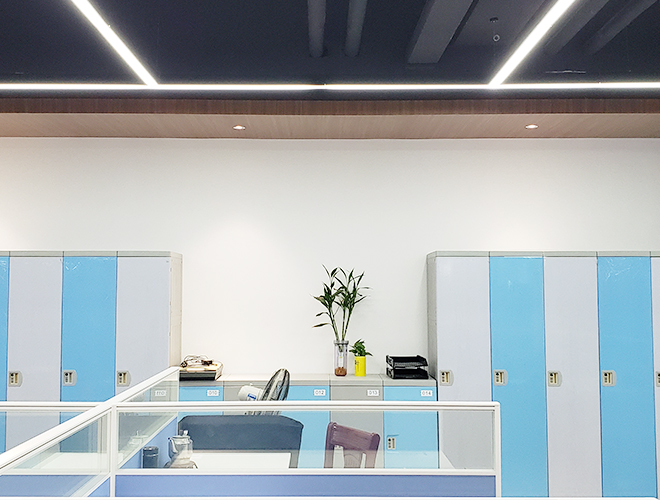
What Is an Office Locker?
Key types to know:
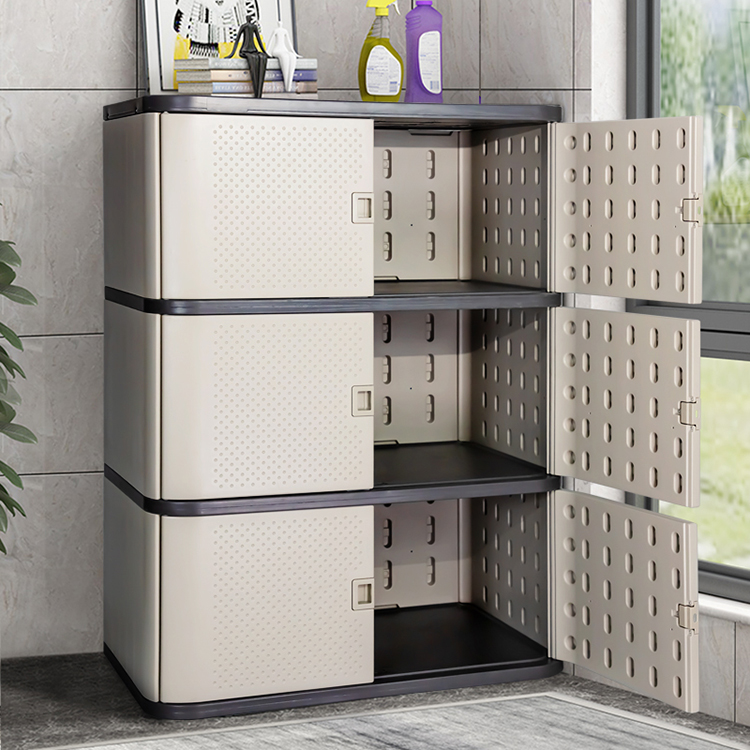
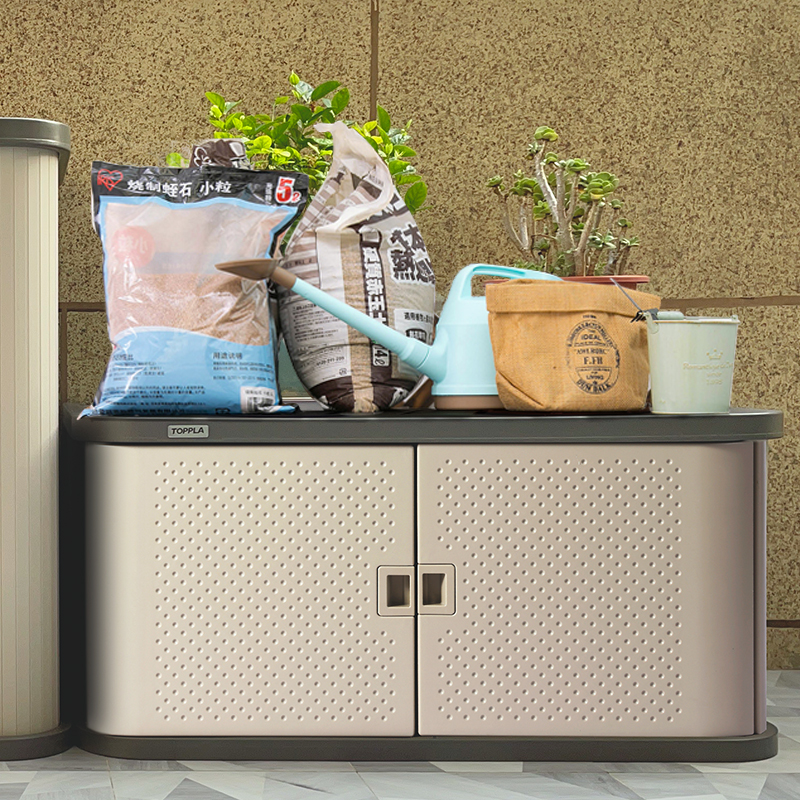
Plastic Employee Lockers: Made from high-density plastics or engineering plastics. They resist rust, moisture, often quieter, and more hygienic.
Staff Lockers for Office generally refers to lockers allocated to staff: personal storage, security, convenience.
Locker Officeworks is sometimes used generically or refers to a brand/retailer; but in context, it represents the kind of locker one might source from a supplier.
Technical and Functional Advantages of Properly Designed Office Lockers
Here I bring in technical criteria, industry benchmarks, and what I know of Toppla and related products.
Industry sources confirm that HDPE plastic lockers withstand outdoor, humid, or wet environments without rust or peeling.
Metal lockers, especially if made of thinner steel (e.g. 16 gauge or similar), suffer dents, scratches, rust unless adequately coated or maintained.
Corrosion, Moisture & Environmental Resistance
Plastic Employee Lockers resist moisture, corrosion. They resist mold, mildew, and avoid rust even in high humidity settings. This matters in offices near coastal areas, near kitchens, or in humid climates.
ABS materials (if Toppla offers its plastic office lockers in ABS) often lend environmental and hygiene advantages: less corrosion, easier to clean surface, reduced maintenance. (Toppla’s other lines do this for school or outdoor lockers.)
Long-Term Cost of Ownership
Although Plastic Employee Lockers tend to cost more upfront, they save money over time: fewer repairs, no regular repainting, less replacement of parts hammered by corrosion or dents.
Hygiene & Maintenance Simplicity
Plastic surfaces or treated finishes resist bacteria, mould, easy to wipe, even power wash or steam clean in some cases.
Less seam-lines or joints reduce places where dirt or moisture accumulate.
Aesthetic Flexibility & Customization
Bespoke Office Lockers allow offices to match brand colors, finish, configuration. Plastic and coated metal lockers offer color variety; ABS or HDPE can be color-through, reducing need for repainting.
Mixed sizes (some tall, some shorter), mixed access types (locks vs RFID), modular configuration support diverse staff needs.
Security of Locks and Hardware
Lock options (key, combination, electronic) should integrate with office policy. Materials around lock points must resist tampering.
Reduced material waste, long lifespan, less need for replacement yield lower environmental footprint.
How Office Locker Products (e.g. by Toppla) Demonstrate Technical Excellence
Based on the features described on Toppla’s Office Locker product page, combined with broader product lines, here are likely strengths you get when selecting Toppla’s office lockers:
Robust structural design: strong frames, high-quality panel materials, reinforced corners.
Use of ABS or similar engineering plastic (assumed from company’s expertise in ABS lockers in other lines) giving systematic rust resistance, quiet operation, reduced maintenance.
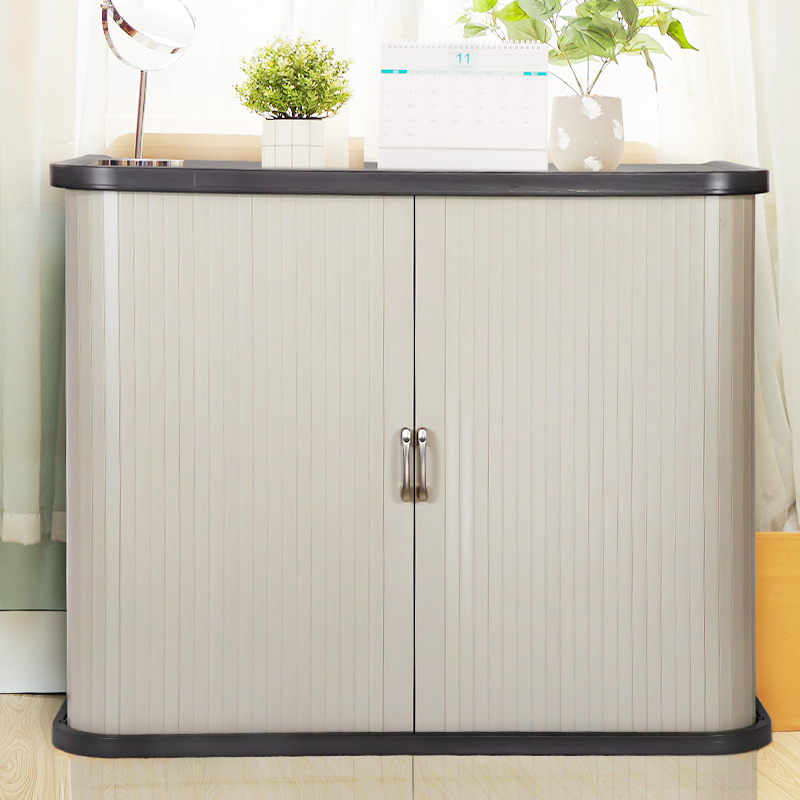
Color options & finish quality: clean, modern finishes suitable for office aesthetics; likely offering multiple colors or neutral tones.
Lock hardware of good quality: locks that operate smoothly, durable hinges, secure locking mechanisms fit for staff lockers.
Modular configuration with choice of locker tiers (single, double, etc.), shelf or hook customization to adapt to staff or personal items.
Focus on user experience: smooth edges, ventilation, easy access.
These features together position the product as professional, tested, reliable—not just utilitarian.
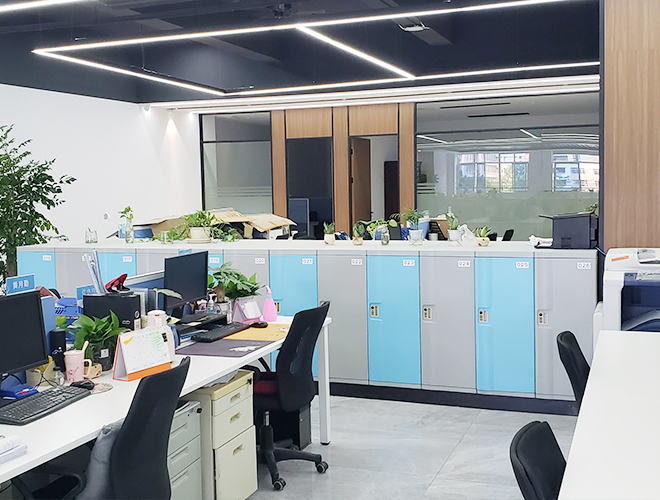
Comparing Materials: Plastic vs Metal vs Alternatives
Here I draw from industry comparisons to help you understand trade-offs, so you can choose wisely for your office.
Feature | Plastic Employee Lockers | Steel / Metal Office Lockers | Other Materials (Wood, Laminate, Phenolic) |
Durability under moisture, rust resistance | Excellent — plastic does not rust or corrode, resists moisture even in damp environments. | Susceptible to rust unless high-grade, well coated; paint chips expose metal. Total Locker | Laminate or wood degrade under moisture; phenolic better but usually more costly. |
Resistance to impact, dents, scratches | Very good — thick-walled plastics, HDPE / ABS, absorb impact, resist denting. | Metal dents under force; can be strong but damage visible. | Laminate scratched, wood chipped; phenolic more resistant. |
Maintenance / Lifecycle cost | Low — little repainting or rust repair; easy cleaning. | Higher: repainting, rust treatment, fixing dents. | Moderate to high depending on material. |
Noise control | Better — plastic muffles; less loud slamming. | Noisier unless dampers used. | Varied; phenolic or laminate may damp a bit; wood can creak. |
Aesthetics / Customization | Good — colors, finishes, sometimes color-through; modern style. | Traditional; powder-coating, choosing colors but finish may chip. | Laminate/phenolic allow fancy finishes; wood good look but less durable. |
Environmental & hygiene performance | Often superior; non-porous surfaces, recyclable, low VOC, easier to sanitize. | Depends on coating; may need treatments, more maintenance. | Wood can harbor mold; laminate adhesives etc. matter. |
Key Technical Criteria to Evaluate Before Buying
As a potential buyer (manager, facilities director), I would check these technical specifications:
Panel Thickness and Wall Strength
How thick are the locker panels? Thicker walls resist bending, maintain shape. Look for specs in mm.
Door / Hinge Design
Reinforced edges; robust hinges; design that prevents sagging over long use; soft corners or edge treatments.
Locking Mechanism and Security
Key-locks, padlocks, electronic/RFID options. Locking point durability. Possibility of master keys.
Ventilation & Airflow
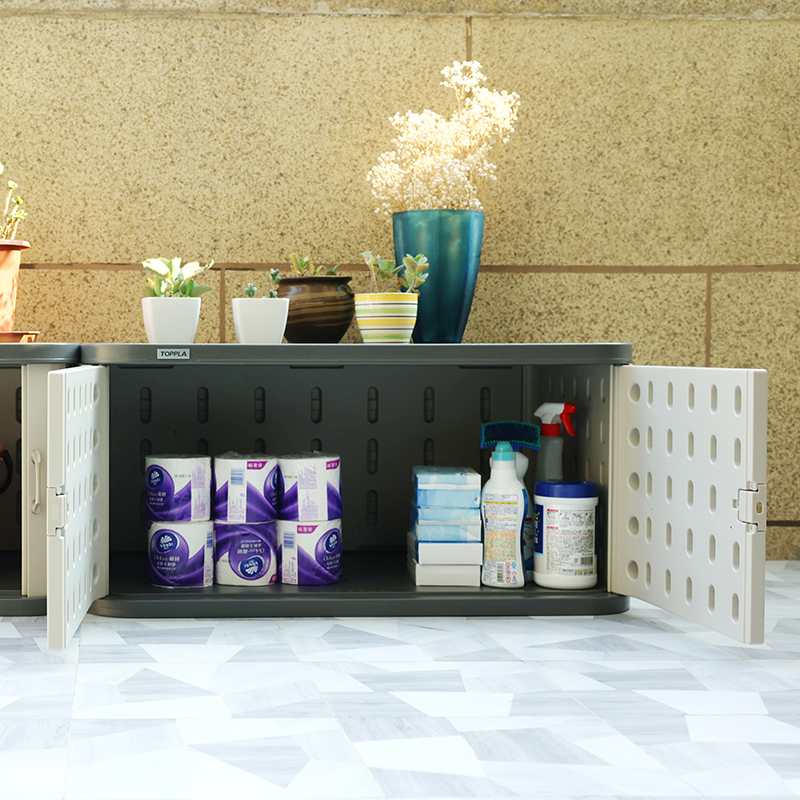
Doors or side panels with vents to allow air to circulate inside; prevent odor, moisture accumulation.
Material Finish & Surface Treatment
For plastics: whether the color is through or just surface coat.
For metals: type and quality of powder-coating or paint; corrosion resistance.
Moisture / Rust Resistance
Important for offices around kitchenettes, bathrooms, humid climates, or even open windows.
Maintenance & Cleaning Ease
How easy is it to clean? Are surfaces smooth, non-porous? Are parts replaceable?
Modular & Flexible Configuration
Ability to adjust shelf heights, mix locker sizes, combine units; future expansions.
Warranty & Lifespan Estimates
What warranty does the manufacturer offer? What lifespan have similar models shown under daily use?
Weight & Installation
Is the locker too heavy to install easily? Does it require anchoring? How many people / tools needed?
Consumer Questions and Short Answers
Here are questions I would ask if I were choosing Office Locker products, with concise answers.
Question | Answer |
Will plastic lockers feel cheap compared to metal? | No. High-grade ABS or HDPE with good finishes offer solid feel, minimal flex, clean edges, and they resist dents and rust better than many painted metals. |
Do staff lockers require elaborate locking systems? | Not always. Basic key locks or padlocks work for many offices. But for higher security needs, electronic locks or RFID are worth investment. |
How much should I budget per locker over 10 years? | Include purchase price, maintenance (cleaning, lock/hinge replacements, repainting if metal), and replacement for heavy damage. Plastic tends to lower these costs significantly. |
Can bespoke design (color, sizes) cost way more? | Custom units cost more upfront, but batching designs with standard parts reduces incremental cost. Bespoke finishes bring brand value and employee satisfaction. |
How many tiers or levels should I get? | That depends on what people will store: coats and bags need full-height or 2-tier; small items (devices, lunch boxes) can use 3- or 4-tier; mix sizes for flexibility. |
Is ventilation necessary? | Yes. Ventilation reduces moisture and odor buildup—important if items stored include damp clothes, placed near kitchens, or in humid regions. |
Best Scenarios & Use Cases
To help you decide which kind of locker (Plastic Employee Lockers, Bespoke Office Lockers, Staff Lockers for Office) suits which environment, here are use cases.
General office floor: Employees need somewhere to hang jackets, store laptops / bags. Full-height or 2-tier lockers, metal or plastic depending on moisture exposure.
Shared workstations / hot desk settings: Smaller lockers for individual personal items; compact size; possibly electronic locking for convenience.
Break rooms / kitchen adjacent: Lockers near moisture. Plastic lockers shine here. Neutral finishes help aesthetics.
High-security areas (labs, sensitive equipment): Prefer metal with strong locks or hybrid designs; maybe metal frame, reinforced doors.
Outdoor or semi-outdoor entrances: Must resist rain/sun. Plastic, UV-stabilized materials; stainless or powder-coated metals; good door seals.
Real-World Comparisons & Industry Examples
To reinforce confidence, here are observed advantages from existing locker systems and industry findings:
In comparative tests, thick HDPE plastic lockers proved three times quieter than metal lockers during door‐closing operations, helping reduce hallway noise in busy office layouts.
Plastic lockers with color-through panels maintain appearance even after surface scratches, since damage does not expose contrasting base metal or require repainting.
Offices or facilities with kitchens or humid restrooms note that metal locker rust and odor build-up cost them repainting and replacement, whereas well-made plastic lockers only require occasional cleaning. (From industry comparisons)
Some manufacturers offer warranties of 15-25 years on HDPE lockers under typical indoor settings, versus much shorter lifespans for untreated metal lockers exposed to moisture.
Choosing the Best Office Locker: Key Steps
When procuring Office Lockers (whether Staff Lockers for Office, Plastic Employee Lockers or Bespoke Office Lockers), I recommend following this decision process:
Audit your needs
How many employees need lockers?
What items do they store? Size / volume.
How often will lockers be used? Daily, multiple times?
Assess environment
Indoor / outdoor exposure. Humidity, temperature swings.
Proximity to moisture, kitchen, restrooms.
Material & finish decision
Choose plastic if corrosion, moisture, hygiene, noise matter.
Choose metal if high fire regulations, heavy impact resistance, or budget constraints.
Select locking & security level
Specify dimensions / tier layout
Customization: color, branding, signage
Define maintenance plan & warranty expectations
Consider total cost of ownership, not just purchase price
Trade-Offs and Limitations
No product is perfect, so I also consider what disadvantages or limitations might arise and how to mitigate them.
Higher upfront cost for plastic or bespoke units: Mitigate by planning bulk purchases, standard sizes, or moderate customization.
Security for plastic lockers: Reinforce lock areas, choose solid hardware, thick panels. Don’t rely on plastic alone; combine with sturdy hardware.
UV exposure: If plastic is used outdoors or in direct sun, ensure UV-stabilized materials to prevent fading or brittleness.
Heat retention: Metal conducts heat; plastic may insulate, but if stored items generate heat (electronics), ensure ventilation.
Weight & installation: Some plastic units, especially large ones, still weigh a lot; ensure proper anchoring or base support.
Conclusion
Choosing the right office locker is more than picking something that looks good or costs least up front. When you opt for properly built Office Locker solutions—whether Plastic Employee Lockers, Staff Lockers for Office, Locker Officeworks, or bespoke designs—you invest in durability, safety, cleanliness, employee satisfaction, and long-term value.
Materials like high-grade plastic or ABS resist rust, moisture, reduce noise, and cost less to maintain across years. Bespoke Office Lockers let you align form with function and brand identity. Metal still has its place where structural or fire regulations demand it, but you should make that trade with full knowledge of maintenance and lifecycle costs.
If I were recommending one path: evaluate what your environment demands (humidity, daily usage, security), prioritize material strength and quality hardware, and accept a bit higher upfront cost for significant savings and better experience downstream. That approach produces resilient office storage that supports workflow, reinforces professionalism, and minimizes headaches in maintenance.