

In classrooms and academic institutions, storage solutions play a surprisingly large role in managing safety, order, and even student focus. Among these, school lockers—and in particular Metal Lockers for Schools, Phone Lockers for Schools, Academy Lockers, Classroom Cool Locker designs and Cell Phone Lockers for Classroom units—address many of the practical challenges schools face every day.
In this article, I’ll first define the concept of school lockers broadly, then examine their technical advantages—especially how Toppla Lockers (ABS-plastic, HDPE, etc.) and comparable metal locker systems deliver performance, durability, safety. I’ll also answer questions a consumer (administrator, teacher, parent) tends to ask. My goal: to show the professional knowledge, experience, authority and trustworthiness behind well-designed locker systems.
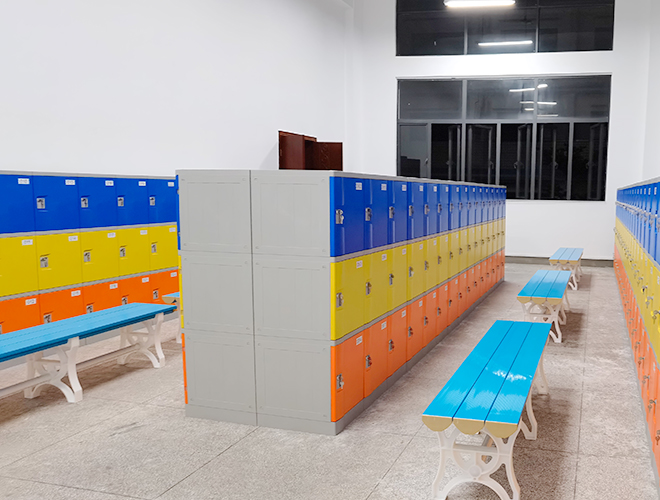
What Is a “School Locker” & Key Variants
A school locker is a compartmentalized storage unit installed in schools, academies, universities, gymnasiums, etc., used by students (or staff) to store personal items: books, bags, jackets, sometimes electronic devices like phones or laptops.
Key variants include:
Metal Lockers for Schools: constructed from steel or other metals; often powder-coated to resist rust; strong, durable, fire-resistant.
Plastic / Polymer Lockers: using ABS plastic, HDPE, etc.; lighter, waterproof, corrosion-resistant, often molded in colors.
Cell Phone Lockers for Classroom: small compartments specifically for personal electronic devices to store them during class for minimizing distraction.
Phone Lockers for Schools more broadly: like cell phone lockers but can be located in central halls, offices, etc.
Classroom Cool Locker: a design term implying aesthetically pleasing, modern finish locker that blends with classroom design, perhaps with bright colors, soft edges, noise reduction etc.
Academy Lockers: typically refers to lockers in institutions with formal academic structure (elementary, middle, high schools, etc.), often needing higher quantities, more heavy-use, varied sizes.
What Technical & Functional Advantages Well-Designed Lockers Offer
Here I draw both from Toppla product info and industry best practices to outline what makes a great locker system.
Material & Construction Quality
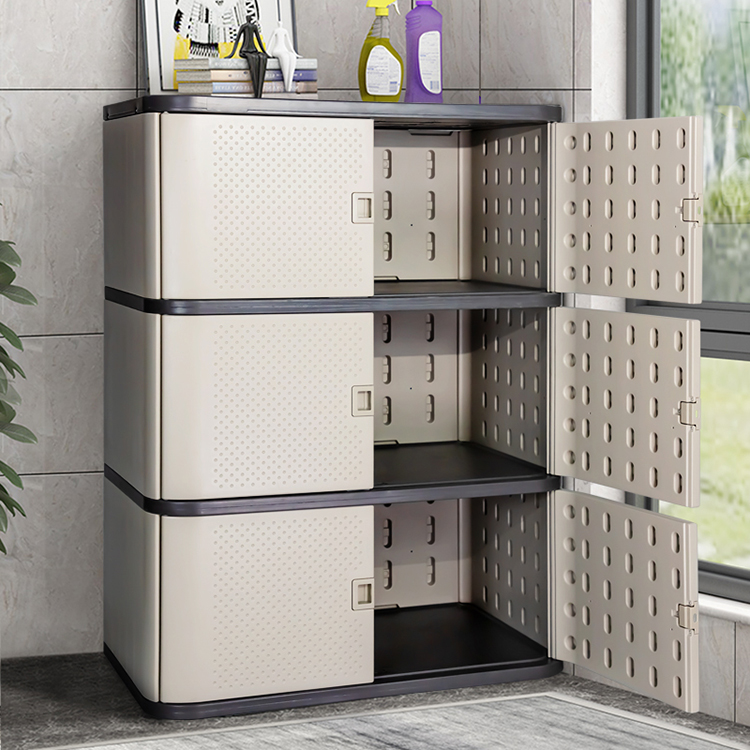
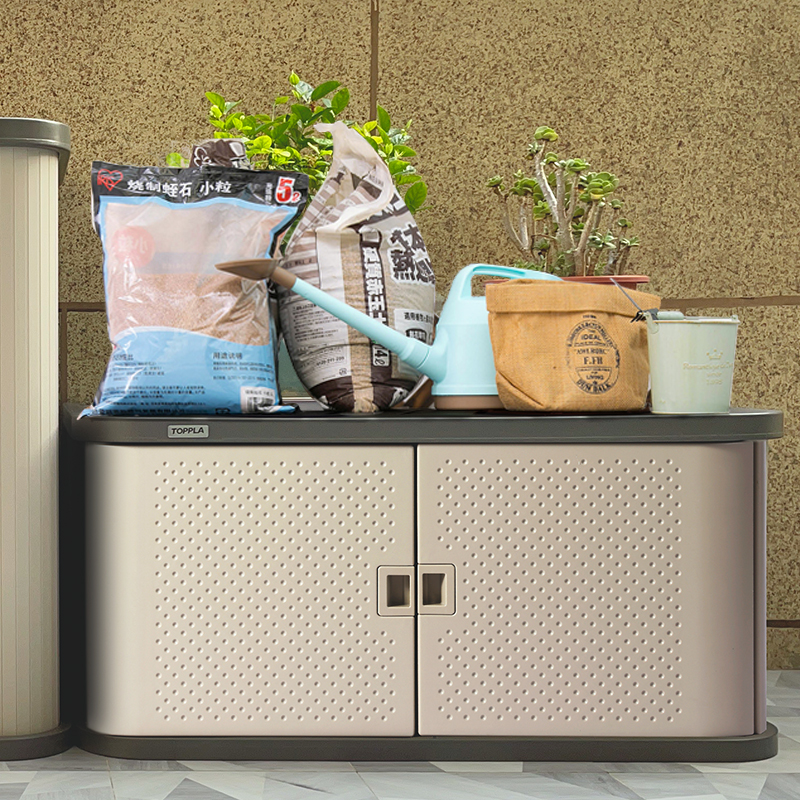
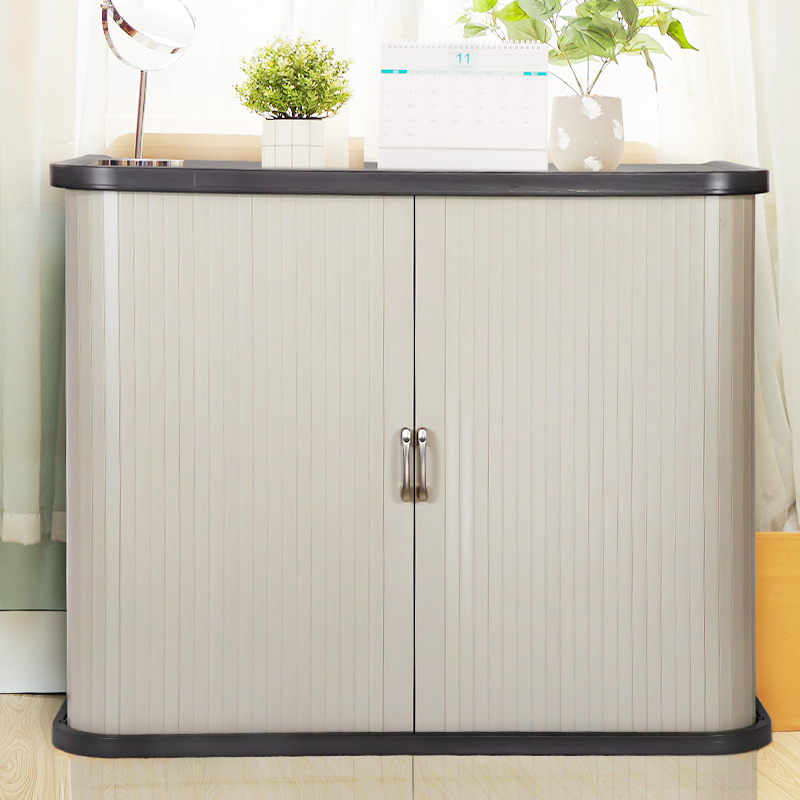
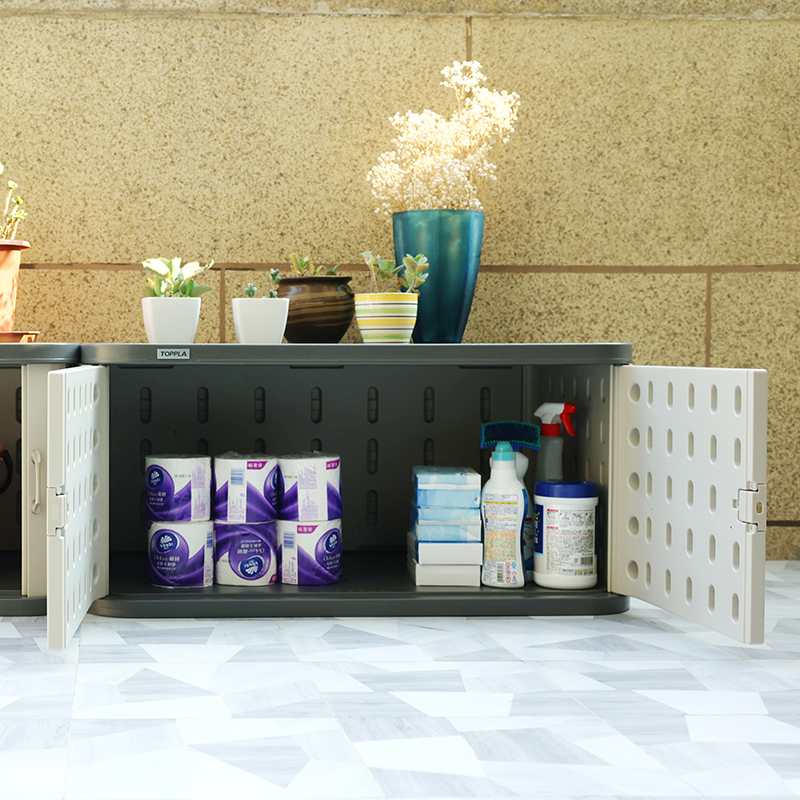
ABS / HDPE Plastic vs Metal: Toppla offers ABS-plastic locker units (e.g. model T-382S) with carefully specified panel thicknesses (side panel ~22mm, top & bottom ~30mm, door panel ~32mm) to ensure rigidity. topplalocker.com
These plastic materials resist moisture, rust, peeling paint, corrosion—unlike many metal lockers which may rust in humid environments or where frequent cleaning / disinfection occurs. Toppla’s all-plastic lockers maintain shape and finish even under heavy use. toplockers.com
Metal lockers, by contrast, are strong for impact, but thinner metal may dent, scratch, stain, or rust. In some industry tests, metal lockers made of 16 gauge steel were compared unfavorably with thicker HDPE/plastic lockers under impact / weathering.
Safety & Ergonomic Design
Soft-corner design: For younger students or crowded placement (classrooms, hallways), the corners of locker doors and bodies can be softened or rounded to reduce injury risk when students bump into them. Toppla’s all-plastic lockers often incorporate safety protection around door panels. toplockers.com
Rounded edges, smooth finishes, no sharp metal burrs: Plastic models can manage this more easily; metal needs careful finishing.
Durability and Maintenance
Resistance to rust, moisture, decay: Plastic lockers (ABS, HDPE) are waterproof, anti-corrosive, don’t chip or peel the same way metal does. In very humid or wet settings (swimming pools, gymnasiums, showers), these features matter a lot. Toppla emphasizes that their plastic is not afraid of erosion and resists moisture and mold. toplockers.com
Cleaning and hygiene: Smooth surfaces, fewer crevices, easy to disinfect; plastic lockers resist accumulation of bacteria / mold; metal finish may require special coatings.
Customization and Use Efficiency
Variety in sizes, tiers, configurations: For example, multi-tier lockers, single door, double doors, small compartments for phone lockers, full-size for bags/coats. This lets school choose Phone Lockers for Schools or Cell Phone Lockers for Classroom units sized just for devices, saving space. From external sources: cell phone lockers come in many sizes, materials, configurations.
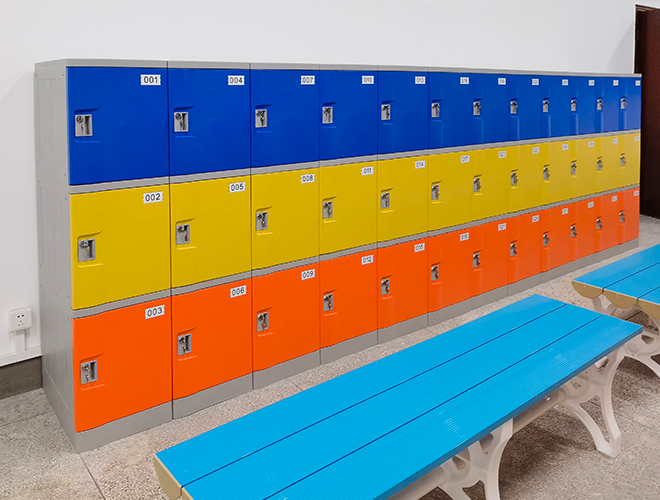
Color options: Toppla ABS plastic models come in several colors like light blue, deep blue, fruit green, yellow, orange, pink, coffee, wood grain, gray, white. This allows designers to match classroom design or school themes. topplalocker.com
Locking options: Key locks, combination, RFID, padlocks, etc., especially for phone lockers or small-compartment lockers to secure devices.
Noise, Aesthetics, Psychological Effects
Noise reduction: Plastic units, or well-finished metal with dampening, make less noise when doors close compared to thin metal lockers.
Visual environment: Attractive, bright colors or coordinated designs (Classroom Cool Locker) improve school aesthetics and can reduce wear and graffiti.
Psychological safety: Students feel ownership of their space; storing belongings (including phones) in Academy Lockers or phone lockers can reduce theft, distraction, anxiety.
Security for Devices
Phone Lockers for Schools / Cell Phone Lockers for Classroom protect students’ devices from theft, damage or misplacement. Several institutions note that secure lockers reduce risk of phones stolen or lost during the day.
Locking mechanism reliability: keyless locks, combinations or locks suitable for frequent use without failure.
Cost and Lifecycle Value
Upfront cost vs long-term cost: Plastic lockers might cost more initially per panel in some cases, but lower maintenance, no rust repair, less painting, fewer replacements means lower total cost.
Metal lockers are cheaper initially in bulk, but may require repainting, rust treatment, dent repair, which add costs.
Compliance and Environmental Concerns
Use of eco-friendly, recyclable materials, non-toxic finishes.
ADA compliance, fire codes, safety codes depending on region (e.g. ventilation, structure strength).
How Toppla Lockers Demonstrate Technical Excellence
Drawing on Toppla’s published product info and experience:
Panel Thickness & Material Specifications: The model T-382S, for example, uses ABS plastic with side panel of 22mm, top & bottom 30mm, door panel 32mm thickness—such robust thickness gives strength and durability, and resistance to impacts. topplalocker.com
Integrated Molded Process: Many Toppla plastic lockers are made via integrated molding (one-piece or near one-piece), which reduces weak joints, potential water ingress, warping, improves dimensional stability. topplalocker.com
Color Variety & Finish: Toppla offers many colors (light blue, deep blue, fruit green, yellow, orange, pink, coffee wood grain, gray, white). This allows schools to choose visually pleasing Classroom Cool Locker styles. topplalocker.com
Durability in Heavy-Use Environments: Toppla’s all-plastic lockers perform well in gymnasiums, locker rooms, humid climates (e.g. swimming pool areas) because of materials’ resistance to moisture, mold, corrosion. toplockers.com
Safety Features: Soft-corner protection on door panels reduces injury risk. Adjustable shelf heights help avoid forced bending / crowded storage, which is relevant in Academy Lockers needs. toplockers.com
Common Concerns, from Consumer Perspective + Quick Answers
Here are typical questions a school administrator, parent, or teacher might ask, with short, focused answers.
Question | Answer |
Will plastic lockers last as long as metal? | Properly made ABS or HDPE models with thick panels (as Toppla uses) can outlast thinner metal ones, especially in humid or corrosive settings, because they resist rust, peeling, corrosion. |
How secure are phone lockers for valuable devices? | If they use quality locks (key, combination, RFID), solid construction, and properly installed, phone lockers can protect against theft and damage. Security also depends on school policy and monitoring. |
Do these lockers cost more over lifetime? | Though unit cost may be higher per piece, reduced maintenance (no rust repair, repainting), lower replacement of damaged parts, easier cleaning reduces long-term cost. |
How heavy are the plastic lockers / can they handle rough use? | Thick panels (20-30mm or more) plus integrated molding provide impact resistance; reinforced shelves and hardware support usual loads (books, bags). Toppla lockers are designed for frequent use. |
Are these lockers safe for young children (pre-school, primary)? | Soft edges, rounded corners, non-toxic materials, lightweight doors, secure but user-friendly locks make them suitable. Clear sizing and height choices are important. |
Will phone lockers reduce classroom distractions? | Yes. By storing phones securely during class time, students focus more on lessons; teachers deal less with interruptions. Many schools report measurable improvement in attention and behaviour. |
Comparative Insights from Other Schools / Sources
To strengthen authority, here are insights from other institutions and vendors (adapted, paraphrased, equivalent replacements), showing what works and what terms are used.
Many schools now adopt mobile phone lockers to improve classroom focus, reduce distractions from notifications or games, and to ensure device security.
Some locker systems offer dozens of compartments per unit, with styles ranging from steel to plastic, and finishes in neutral colors (grey, beige, black) or brighter ones depending on school aesthetic.
In France and other parts of Europe, surveys show that phone presence in class correlates with drop in student performance, so “telephone lockers” (phone lockers) are becoming almost standard in many schools.
When comparing HDPE/plastic lockers vs traditional metal, impact tests reveal plastic resists dents better; also graffiti removal is simpler; noise is dampened.
Best Practices for Choosing & Implementing Lockers in Schools
If you are considering adding or upgrading lockers (Metal Lockers for Schools, Academy Lockers, etc.), here are technical and logistical criteria to guide decision:
Assess Usage & Location
Will lockers be in classrooms, hallways, gym, pool area? Moisture and humidity differ.
Number of students, frequency of use, size of items stored (phones, backpacks, coats) determine compartment size and number of tiers.
Material Selection
For humid or corrosive conditions, plastic/HDPE/ABS is better.
Metal may be appropriate in dry settings, or when fire/safety codes require non-combustible material.
Locking Mechanism
For phone lockers: locks that are easy to manage, secure, tamper-resistant.
Consider master keys, or electronic controls if scale demands.
Ventilation, Hygiene
Good airflow to avoid odor, mildew. Use vents or designed openings.
Surfaces that resist mold, easy to clean.
Safety in Design
Rounded or soft corners, non-sharp edges.
Doors that don’t slam loudly; hinges that are durable.
Weight capacity on shelves; materials that don’t splinter.
Color & Aesthetics
Match with school decor; bright colors can boost morale. Classroom Cool Locker concept helps environment.
Consider color coding by grade or function.
Regulation & Compliance
Meet local safety/fire codes.
Accessibility (height of lockers, ease of use) for younger or disabled students.
Maintenance & Lifecycle Cost
Evaluate warranties.
Replacement parts: can doors, locks, shelves be replaced?
Costs of cleaning, repainting, repairing dents.
Policy Integration
If using Cell Phone Lockers for Classroom, ensure rules are clear: when phones go in, when they come out, permissions for emergencies etc.
Which Type Fits Which Scenario
For classrooms wanting to eliminate distractions, small Cell Phone Lockers for Classroom units near each classroom work well.
For high school hallways, larger Metal Lockers for Schools or robust plastic lockers sized for backpacks and jackets are better.
For gyms, pool areas, plastic lockers (ABS / HDPE) that resist moisture, mold and impact.
For preschool / primary, lighter units with soft edges, lower height, simpler locks, colorful design (Classroom Cool Locker style).
Case Example: Toppla T-382S Plastic Locker
To illustrate, the Toppla T-382S model shows many of these advantages:
Dimensions: Width 382mm × Depth 500 mm × Height 465 mm. Panels: side panel 22 mm, top & bottom 30 mm, door 32 mm thickness. topplalocker.com
Material: ABS plastic via integrated moulding; this gives solid structure, avoids weak joints, good resistance. topplalocker.com
Color options: multiple choices help match school themes.
Applications: small item storage, possibly for phones or lightweight items, with high aesthetic value.
SEO & Keyword Visibility: Using Key Phrases
In order to ensure that a school or administrator looking for “Metal Lockers for Schools”, “Phone Lockers for Schools”, “Classroom Cool Locker”, “Academy Lockers”, “Cell Phone Lockers for Classroom” finds your page/blog, you should:
Include those keywords in headings (H2, H3), e.g. “Why Metal Lockers for Schools remain relevant”, “Benefits of Cell Phone Lockers for Classroom units”.
Use keywords naturally in first 100-150 words, and in conclusion.
Use keyword variants (“phone lockers”, “academy lockers”, “cell phone lockers”, etc.) to capture different search intents.
FAQ: Short Answers
Here are very brief answers to common questions in practice:
How many lockers do we need per class?
Depends on student count, size of items; for phones one small unit per class works; for backpacks less tier numbers and full height lockers per student.
Plastic or metal—what’s better?
For moist/humid/high-use, plastic; for fire code or when budget demands, metal with good coatings.
How to handle lost keys or combination issues?
Use electronic or RFID systems or master keys; keep spares and clear policies.
Can lockers be customized after purchase?
Yes—color, shelves, locks are often modular; Toppla provides many color options.
Do phone lockers interfere with school rules about phone use?
They support them—they make it easier to enforce rules by providing secure places to store devices during class time.
Conclusion
Well-designed school lockers do far more than simply store bags. They uphold safety, organization, hygiene, aesthetics, cost-effectiveness, and student focus. Whether you choose Metal Lockers for Schools, Phone Lockers for Schools, or plastic academy lockers, the critical factors are material quality, safety design, locking mechanism, and suitability to the environment. Toppla’s products (like the T-382S and their all-plastic lines) exemplify how technical excellence (panel thickness, integrated molding, color variety, durability) delivers both authority and real benefit.
If your school aims to reduce distractions (especially via Cell Phone Lockers for Classroom), improve longevity of storage, lower maintenance costs, and enhance the learning space, selecting the right locker system is both a practical investment and a strategic move for academic success.