

How Mining Sites Actually Use Storage
Mining doesn’t happen in clean, controlled rooms. Underground you’re dealing with high humidity from groundwater and the ventilation that can only do so much. Dust gets everywhere — fine silica that acts like sandpaper over time. On surface operations you add weather, temperature swings, and rain that soaks everything. Workers finish a shift wet, dirty, and carrying bulky PPE plus personal items. They need a place to hang clothes so they can dry, store boots so they don’t sit in puddles, and keep helmets and lamps secure until the next rotation.
Most sites run multiple crews with overlapping schedules. A forty-person team needs individual compartments so nobody’s sharing space with someone else’s wet gear. Lamp rooms add another requirement — secure spots near the shaft or portal where batteries can charge and lamps stay protected. When storage works, people change faster, complain less, and lose fewer tools. When it doesn’t, you hear about it in safety meetings and budget reviews.
Space is almost always tight. Change facilities often sit in repurposed buildings or underground headings with uneven floors and awkward layouts. Lockers have to fit what’s already there while still leaving room to move when everyone’s geared up. And when the mine expands or a new crew comes on, the storage system needs to grow without a complete rebuild. That’s why modular designs matter more than most people realize at the buying stage.
The Problems That Show Up Over and Over
Rust is the obvious one. It starts at the bottom where water collects, works under any coating, and eventually seizes hinges or eats through doors. Once it begins, you’re fighting it constantly — sanding, painting, replacing panels. On wet sites this cycle starts within the first year or two.
Dents and jammed doors come from everyday reality. Heavy boots, dropped tools, the occasional bump from a cart or just someone in a hurry. Thin metal gives way. Doors go out of alignment. Latches stop catching properly. After a while the whole row looks beat up and functions worse.
Moisture trapped inside creates its own set of issues. Wet clothing and boots left in poorly vented compartments stay damp for days. Mold and odors build up. Workers end up putting on uncomfortable or even unhealthy gear. Cleaning becomes a chore because you’re scrubbing corners that never fully dry and dealing with rusted spots that collect more dirt.
Security gets overlooked until something goes missing. Remote camps and high-turnover rosters mean more people moving through the facilities. Basic hasps and padlocks work fine for most places, but if the doors are easy to pry or the hardware is already loose from rust, things disappear. Lost personal items or company tools translate into downtime while replacements arrive.
Rigid layouts create long-term friction. A bank sized for today’s headcount leaves no easy way to add more when the operation grows. Moving rows during renovations damages the units or takes too much labor. Sites end up with mismatched additions that never quite work as one system.
Then there’s the money side. Cheap metal lockers might look good on the purchase order, but when they need replacing every three or four years plus constant maintenance labor, the real cost adds up fast. Operations that factor in replacement cycles and ongoing upkeep usually end up choosing differently once they run the numbers.
What Actually Matters When You’re Choosing
Material makes the biggest difference in how long these units last. High-density polyethylene doesn’t rust because there’s no iron to oxidize. It stays stable around the salts and mild acids common in mine water. The color goes all the way through, so scratches don’t expose a different layer that then needs attention. That alone removes a whole category of maintenance that metal lockers demand.
Impact resistance comes down to how thick the panels are and how the doors are built. Sides around 22 mm and doors 30 mm or thicker handle the knocks without cracking or staying dented. Nylon or stainless hinges stay quiet and keep working because they don’t corrode. Workers notice when doors still close properly after years of heavy use instead of developing that annoying sag.
Ventilation and drainage keep gear drier between shifts. Slots or open bottoms let air move so moisture escapes instead of condensing on the inside. When crews hose out compartments after a wet shift, water actually leaves instead of pooling in corners. This one feature cuts down on odor complaints and the time people spend manually drying things.
Security should match the actual risk on site. Reinforced hasps that take standard padlocks or site locks are usually enough. Some setups add provisions for electronic access if the operation tracks who’s in the facilities. The point is doors that resist casual tampering without turning into a fortress that slows everyone down at shift change.
Modularity solves the growth and renovation problem. Knock-down or panelized designs ship flat, which matters when you’re sending containers to remote sites or moving materials underground. On-site assembly uses basic tools. Later, when you need to add columns or reconfigure a row, everything matches because it’s the same system. That flexibility is worth more than it seems on day one.
Maintenance simplicity affects daily life more than most spec sheets suggest. Smooth surfaces that take a hose or quick wipe without trapping dirt in seams save real labor hours. No painting schedule. No rust treatment. Supervisors spend less time walking rows looking for problems. Over a decade those hours add up.
Stability and compliance details matter during audits and insurance conversations. Units should sit level on uneven mine floors or accept simple shimming. Secure anchoring options prevent tipping if something heavy bumps into them. Some jurisdictions want flame-retardant formulations. Checking these boxes early avoids headaches later.
Practical Sizes and Layouts That Work on Actual Sites
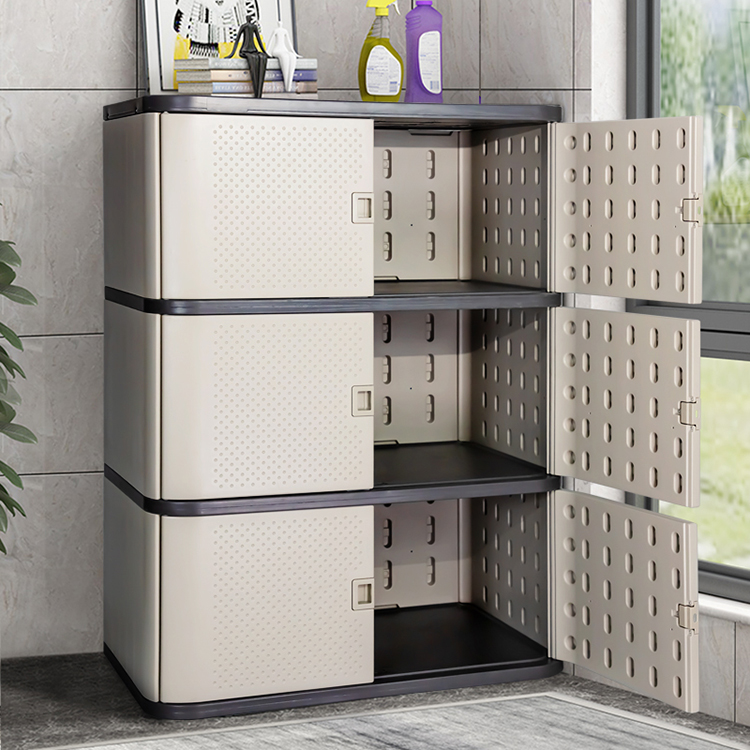
Single compartments around 382 mm to 480 mm wide by 500 mm deep by 920–930 mm high fit most mining gear without wasting space. The narrower width lets you fit more units in tight change rooms while still taking folded clothes, a helmet, and boots. The wider one gives breathing room for workers who carry extra layers or larger personal bags. Both depths handle hanging space plus a lower area for footwear.
Most operations set these up two high with several columns side by side. A row four columns wide by two high gives eight compartments in a compact footprint. Larger crews go six or eight columns per bank, sometimes with opposing rows and an aisle down the middle. Top plates give a clean finished look and can double as a surface for folded items if needed.
Panel thickness keeps everything rigid when loaded. Side panels around 22 mm and door panels 30–32 mm resist bowing. Bases around 80 mm thick add stability and lift the compartment floor above minor water on the ground. These proportions help the whole structure stay square even after thousands of open-close cycles.
Ventilation should be confirmed before you buy. Look for designs that actually move air through the compartment and let water drain completely when washed out. Some include simple boot racks or upper shelves so clean personal items stay above wet work boots. Small details like that reduce cross-contamination and make morning routines faster.
Color helps with organization. Bright or contrasting doors make it easy to mark clean versus dirty zones or different departments. Because the pigment runs through the material, the color stays consistent even after heavy cleaning or minor surface wear.
Shipping and assembly matter when sites are far from suppliers. Knock-down construction cuts container volume and freight cost. Panels join with straightforward mechanical fasteners that don’t require special skills. A small crew can put a full row together in a few hours once the floor is prepped and leveled.
Mistakes That Cost Time and Money
Going for the cheapest metal option usually backfires on wet or dusty sites. The initial savings disappear once rust repairs, part replacements, and early re-purchasing start. By year three or four you’re often spending more than if you’d chosen better units upfront.
Skipping ventilation creates ongoing dampness and odor issues. Even good material suffers if air can’t move and water can’t exit. Crews end up propping doors open, which defeats security and creates trip hazards in busy change areas.
Picking compartments that are too small forces people to cram gear or leave items on benches. Overcrowded lockers damage contents and discourage proper use. Measuring actual PPE sets and personal items before finalizing widths prevents this headache.
Installing on uneven floors without leveling causes doors to bind and latches to wear prematurely. What starts as a minor annoyance becomes daily frustration and eventually leads to hardware failures. Taking time to shim or grind high spots during setup pays off immediately.
Planning only for current headcount leaves no clean path for growth. When a new crew arrives or a section expands, managers scramble to add mismatched units. Modular systems that accept additional columns without custom fabrication avoid this scramble.
Focusing only on purchase price while ignoring total ownership cost repeats across many projects. A unit that lasts fifteen years with almost no maintenance usually costs less per year than three successive cheaper units plus the labor to swap them out. Teams that run the multi-year numbers make better choices.
Straightforward Maintenance That Protects the Investment
Routine care stays simple. After wet shifts, crews can hose interiors and let them drain. Mild detergent handles stubborn grime. Check hinges and hasps every few months and tighten fasteners if vibration has loosened anything. No rust treatment or repainting schedule exists because the material doesn’t need it.
When damage does happen — rare with proper construction — modular design lets you replace individual doors or panels instead of entire banks. Spare parts stay available for years because the core system doesn’t change with every production run.
Keeping basic records helps. Note installation dates and any configuration changes. This history supports warranty claims if needed and informs future expansion decisions. Sites that treat storage as a managed asset rather than a one-time buy see the longest service life.
Quick Answers to Questions That Come Up Often
How do plastic heavy duty mining lockers compare to metal ones in wet conditions? Plastic removes rust completely. It cleans with a hose in minutes and never needs coating maintenance. Workers and supervisors spend far less time dealing with deterioration, and the units keep a consistent appearance for many years.
What width works best for miners’ gear? Measure the bulkiest items people actually store — thick jackets, steel-toe boots, helmets with lamps, and personal bags. The 480 mm width gives comfortable room for larger builds or extra layers. The 382 mm width maximizes the number of compartments in tight spaces while still fitting standard mining PPE for most workers.
Do these work underground? Yes, when you choose the right chemical and impact resistance. Modular plastic designs transport easily through shafts or declines and assemble without heavy equipment. Some versions include flame-retardant properties where regulations call for them.
How much maintenance do they really need? Very little. Occasional hosing or wiping keeps interiors clean. Check hardware a couple times a year. No painting or rust removal cycles required. This simplicity cuts labor hours compared with metal units that need regular attention.
Can the layout expand later? Modular column-and-tier systems make growth straightforward. Add matching columns to existing rows or build new banks in adjacent space. Because everything uses the same panels and fasteners, new sections integrate cleanly with older ones.
Wrapping It Up
Heavy duty mining lockers work best when material, ventilation, security, and modularity line up with how the site actually runs. Plastic HDPE construction takes away the corrosion and high-maintenance problems that metal brings in damp, dusty, high-impact environments. Thoughtful sizing and layout keep gear organized and shifts moving smoothly. Avoiding the common specification and installation mistakes prevents wasted budgets and repeated disruptions.
Operations that choose units built for real mining conditions get reliable daily performance, lower long-term costs, and better conditions for the crews who keep production going. The right mining equipment lockers and mining storage lockers become part of the infrastructure that supports consistent output instead of a recurring source of friction.