

What an Office Locker Really Means Today
An Office Locker used to be simple: a metal box with a key. Fixed position, fixed user.
That model doesn’t fit current offices.
Today’s systems are expected to:
Support shared usage
Handle frequent turnover
Stay presentable with minimal upkeep
Fit into changing layouts
Because of that, many companies now supply plastic locker solutions instead of traditional steel units. Not because plastic looks better—but because it behaves more predictably over time.
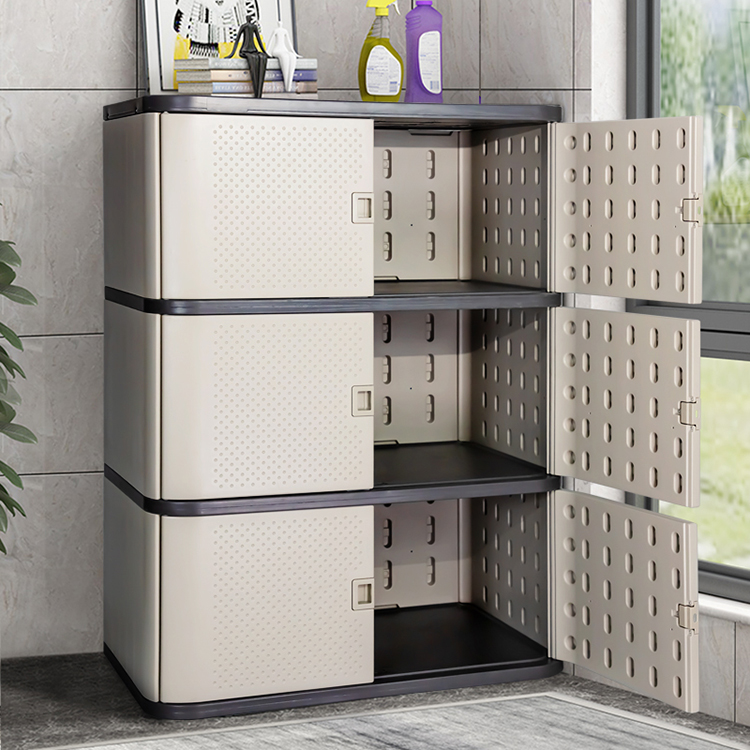
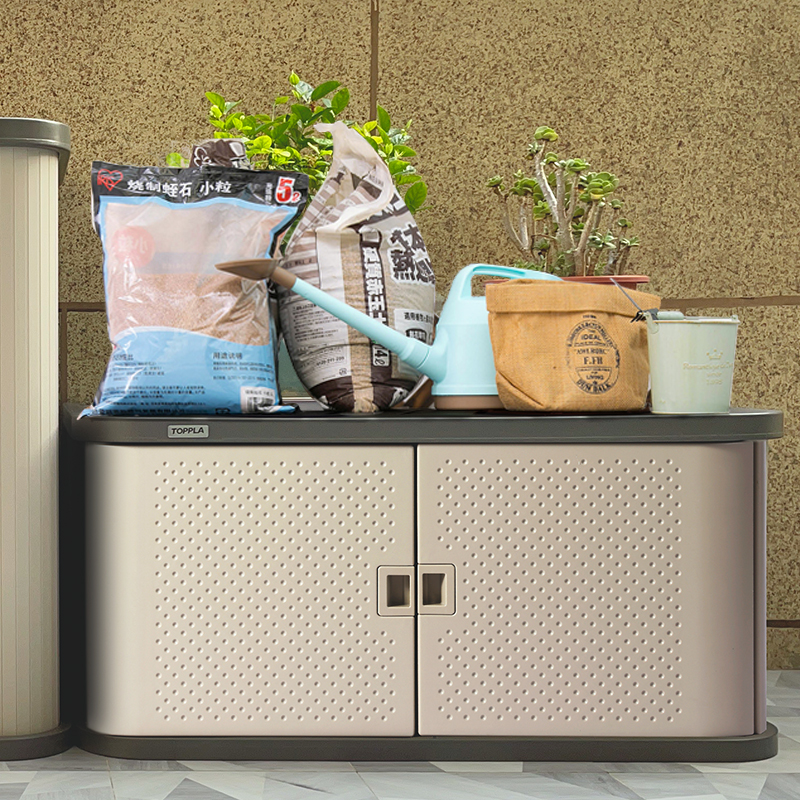
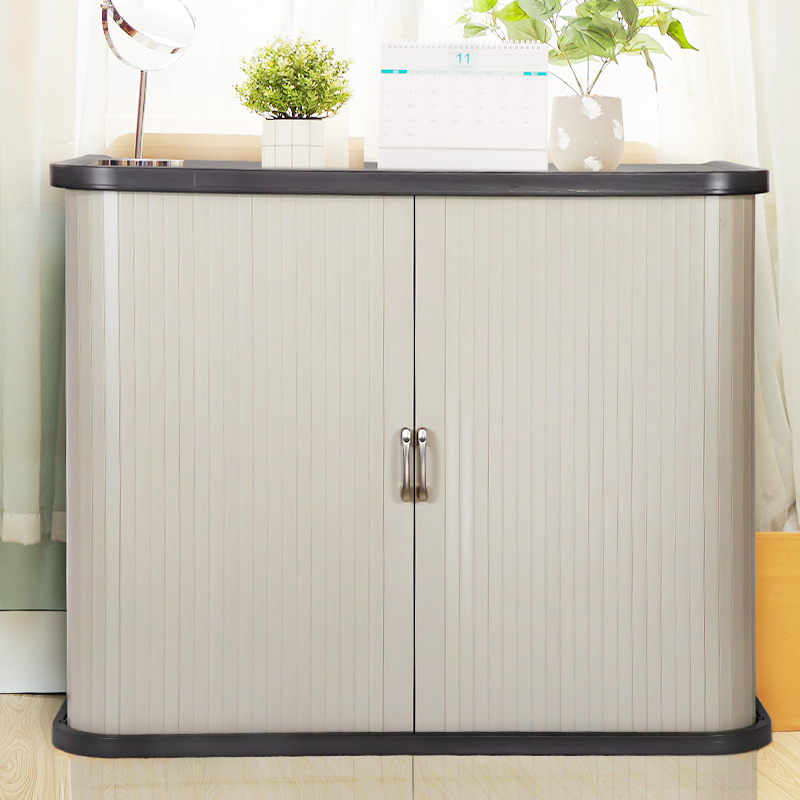
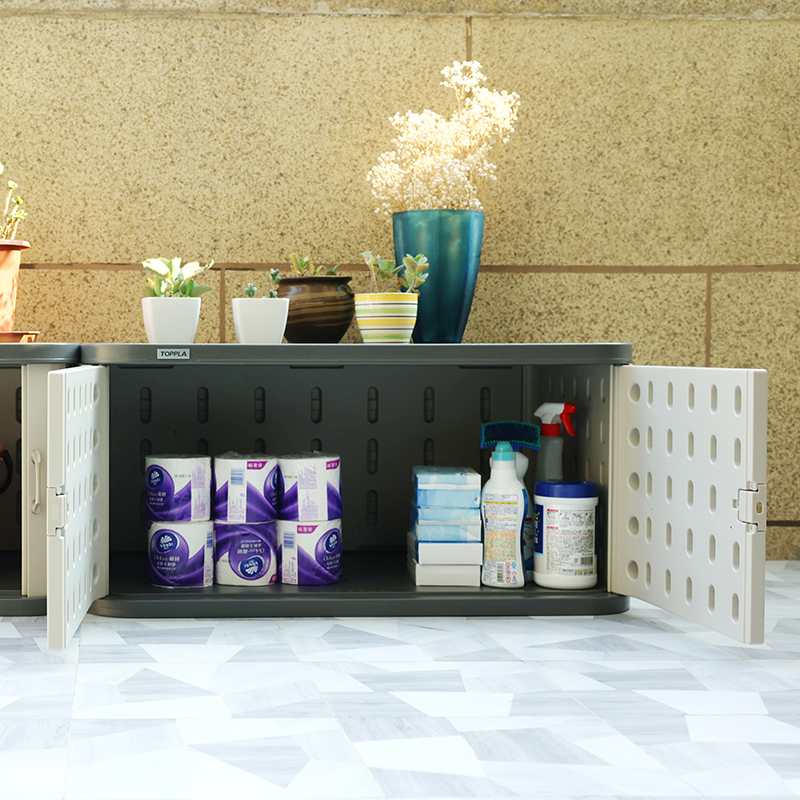
In higher-use environments, HDPE Plastic Locker systems have become a practical default.
Where Office Lockers Actually Get Used
Hybrid Workspaces
In hybrid setups, no one “owns” a desk permanently.
Employees come in, pick a workstation, and leave at the end of the day. The Office Locker becomes their only consistent storage space.
Without it, personal items start spreading across shared desks. That usually leads to clutter within weeks.
Headquarters and Large Offices
In larger companies, lockers solve a different issue: scale.
When hundreds of employees use a space daily, small inefficiencies add up. A well-organized locker system:
Reduces time spent looking for storage
Keeps shared areas cleaner
Simplifies facility management
Co-Working Spaces
Co-working environments push locker systems harder than most offices.
Users change daily. Access needs to be flexible. Manual key management quickly becomes impractical.
That’s where Smart Locker systems start to make sense—not as a luxury, but as a way to keep operations manageable.
Staff Areas in Mixed-Use Buildings
Offices inside factories, hospitals, or retail spaces often need lockers for staff changing areas.
In these cases, material choice matters more than design. Many projects move toward HDPE Plastic Locker systems because they handle moisture and cleaning chemicals better.
Problems Companies Run Into Without the Right Locker Setup
Personal Items Start Taking Over Shared Space
If storage is unclear, people improvise.
Bags end up under desks. Equipment gets left behind. Cleaning becomes harder.
Keys Become a Management Issue
Traditional lockers rely on keys.
At scale, that creates problems:
Lost keys
Replacement costs
Access confusion
Lockers Wear Out Faster Than Expected
In high-use offices, doors get opened dozens of times a day.
If the design is weak, hinges loosen or doors misalign within months.
Maintenance Gets Ignored Until It’s Too Late
Old metal lockers often look fine at first, then suddenly require repainting, repairs, or replacement.
That cycle repeats.
Why Many Offices Move Toward Plastic Locker Systems
The shift usually happens after a few years of dealing with maintenance.
Material Behavior Is More Stable
A HDPE Plastic Locker doesn’t rely on coating. The material itself handles wear.
That means:
No paint chipping
No rust forming under the surface
Less visible aging
Daily Wear Is Less Noticeable
Scratches happen. They always do.
But with plastic lockers, they don’t stand out as much because the color runs through the material.
Cleaning Becomes Simpler
Office cleaning teams prefer surfaces that don’t require special treatment.
Plastic lockers usually handle standard cleaning routines without issues.
Weight and Installation Matter More Than Expected
During installation, lighter modular systems save time.
That’s one reason many buyers prefer to supply plastic locker units instead of heavier alternatives.
How to Choose the Right Office Locker
Start With How People Actually Use the Office
Forget the product first. Look at behavior:
Do employees share desks?
How often do they come in?
Do they need daily or long-term storage?
That determines everything else.
Pick the Right Structure, Not Just the Right Size
Large lockers are not always better.
In many offices:
Multi-tier lockers increase capacity
Smaller compartments improve turnover
Mixed layouts work best
Decide How Access Should Work
This is where many decisions go wrong.
Options include:
Keys (simple but hard to manage)
Codes (better for shared use)
Smart Locker systems (best for large or flexible environments)
Check Door Durability First
The door is the part people touch all day.
A weak door design leads to:
Misalignment
Noise
Early failure
Evaluate the Supplier, Not Just the Product
A reliable plastic locker factory should be able to:
Adjust dimensions
Offer consistent quality across batches
Provide replacement parts
Long-term support matters more than initial delivery.
Features That Actually Make a Difference Over Time
Consistent Panel Thickness
Uneven or thin panels tend to flex slightly under load. You may not notice it immediately, but over time it affects structure.
Hinge Design
A small detail, but critical.
Good hinge systems:
Handle repeated use
Keep doors aligned
Reduce noise
Ventilation Openings
Offices don’t always think about airflow inside lockers, but it matters—especially when storing shoes, bags, or gym items.
Modular Assembly
Offices change. Layouts shift.
A modular system allows:
Expansion
Reconfiguration
Easier replacement
Mistakes Buyers Often Realize Later
Focusing Too Much on Appearance
Every locker looks good on day one.
The real test is how it looks after a year.
Choosing Fixed Layouts Too Early
Office needs change faster than expected.
A rigid setup limits flexibility.
Underestimating Usage Frequency
A locker used 5 times a day behaves very differently from one used 30 times a day.
Ignoring Access Management
Manual systems seem simple—until scale increases.
Not Planning for Replacement Parts
Even durable systems need occasional part replacement. Without support, small issues become bigger ones.
Why Office Lockers Are Becoming Standard
The shift isn’t about furniture trends. It’s about workflow.
An Office Locker supports:
Flexible seating
Cleaner shared spaces
Better organization
Reduced daily friction
In modern offices, it’s not an extra feature. It’s part of how the space functions.
Conclusion
A good Office Locker system doesn’t draw attention to itself. It simply works.
People store their items, access them easily, and move on with their day. Facilities teams spend less time fixing or managing it.
That’s usually the goal.
Choosing the right system means focusing less on specifications and more on real usage—how often it’s used, who uses it, and what happens after months of daily wear.
FAQ
1. What is an Office Locker used for in modern workplaces?
It provides personal storage in shared or flexible office environments.
2. Are HDPE Plastic Locker systems suitable for offices?
Yes, especially where durability and low maintenance are priorities.
3. What is the advantage of a Smart Locker system?
It simplifies access control and works well in high-turnover environments.
4. Can I customize locker layouts?
Most suppliers, including a professional plastic locker factory, offer modular and custom designs.
5. Do office lockers require maintenance?
Very little. Usually just cleaning and occasional hardware checks.
Final Summary
A practical Office Locker system supports how people actually use a workspace. When the design matches daily behavior, it reduces clutter, simplifies management, and stays reliable over time.