

Everyday Scenes Where Smart Plastic Lockers Make Life Easier
Picture a large corporate campus at 8:30 a.m. Employees rush in, juggling coffee and laptops, needing quick access to personal items before the first meeting. With Smart Lockers the whole process is contactless and quiet. Staff tap a fingerprint or scan a WeChat code, the door pops open with a soft click, and they’re on their way. No more hunting for lost keys or waiting in line at a key cabinet. HR teams tell me staff satisfaction scores jump because the lockers feel modern and effortless.
Now head to a high school or university locker room after practice. Wet uniforms, muddy cleats, and expensive gear get stowed fast using facial recognition or smart cards. The ZY8 model’s binocular live detection prevents anyone from using a photo to fake access. Coaches report fewer lost items and less time chasing down keys. One facility manager in Asia shared that theft incidents dropped to zero after switching to our Smart Lockers.
Factories and warehouses see even bigger wins. Shift workers store tools, safety equipment, and personal belongings in high-traffic areas exposed to dust and occasional spills. Our HDPE plastic body stays clean and rust-free while the smart electronics let supervisors monitor usage in real time through the backend system. Importers who supply plastic locker solutions to logistics companies say these units handle forklift traffic nearby and still look professional after years of heavy use.
Government offices and enterprise headquarters use them for secure document or device storage. The MZ10 palm vein system offers one of the highest security levels available—almost impossible to spoof—while the touch screen makes temporary access simple for visitors. One wholesaler client in the Middle East ordered several hundred units for a new government building and reported that administrative staff loved the WeChat scan-code billing option for short-term use.
Even gyms and fitness centers benefit. Members drop phones, wallets, and bags into compact Smart Lockers outside the workout area. The scan-code feature lets them pay by the hour if needed, turning storage into a small revenue stream. That kind of flexibility is why plastic locker manufacturers who combine tough HDPE bodies with smart tech are seeing huge demand from B2B buyers right now.
I remember one European importer who brought in 450 units for a chain of co-working spaces. Six months later the operator sent photos and data showing 98% uptime and almost zero maintenance calls. That real-world proof is why B2B buyers keep coming back to plastic locker factory partners who actually test their Smart Lockers in live environments.
The Daily Headaches Traditional Lockers Create in High-Traffic Settings
Traditional metal lockers look okay on day one. Then humidity, constant slamming, and heavy use take their toll. Rust spots appear in months. Doors stick. Keys get lost or duplicated. Maintenance crews spend hours replacing hinges or repainting panels. One facilities director showed me his expense log—his company spent more on locker repairs in two years than the original purchase price.
The noise is another constant problem. Metal doors clang every time they open or close. In open offices, factories, or schools that sound carries everywhere and raises stress levels. Some organizations have started removing traditional lockers entirely because the racket affected productivity and concentration.
Wood or basic plastic lockers without smart features fare even worse. Moisture causes warping. Paint peels. Shelves sag under real loads. Key management becomes a full-time headache—issuing, collecting, replacing lost keys daily. In schools or factories that means lost instruction time or production delays.
Security gaps appear too. Anyone with a duplicated key or picked lock can access contents. No audit trail means you never know who opened what. In environments with valuable tools, devices, or personal items, that risk is unacceptable.
For B2B buyers these issues turn into unhappy customers and lost repeat business. Importers stocking old-school lockers field constant complaints. Wholesalers see higher returns. Brand owners trying to build long-term relationships watch their reputation suffer when the lockers fail early or create daily friction.
Smart Plastic Lockers cut straight through all of it. The HDPE body eliminates rust and dents. The smart electronics remove keys entirely. Quiet operation, usage tracking, and multiple access methods keep everything secure and simple. Your commercial and institutional customers get modern, low-maintenance storage while you protect your bottom line as a reseller or OEM partner.
Why Smart Plastic Lockers Outperform Traditional Options: Technical Details That Matter
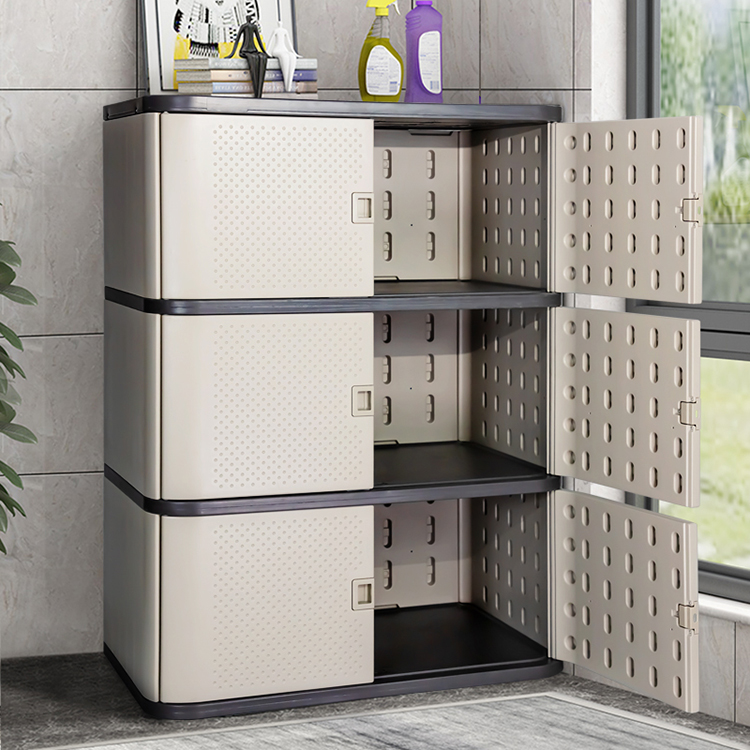
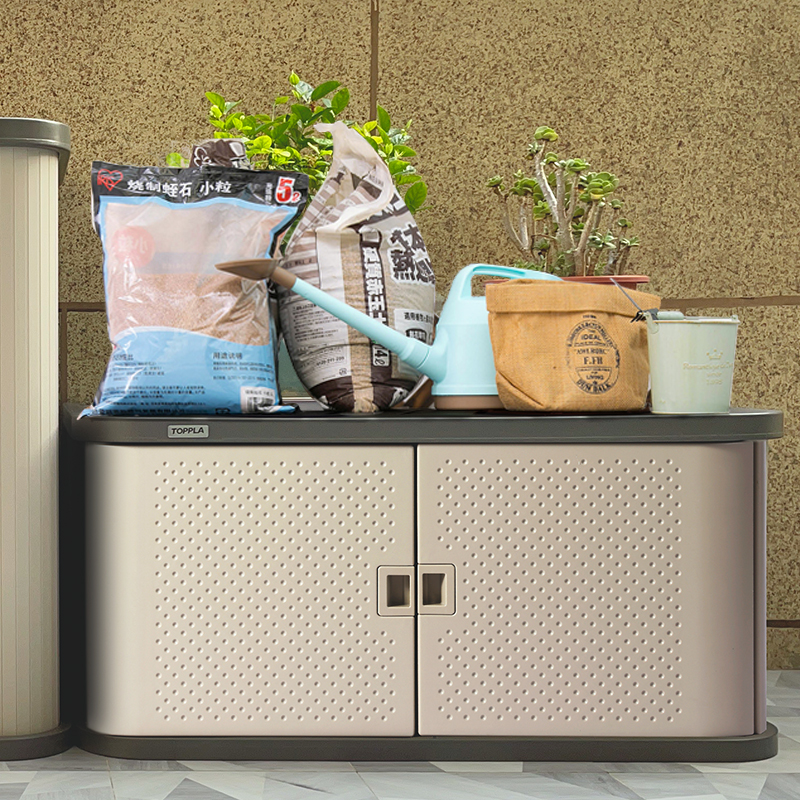
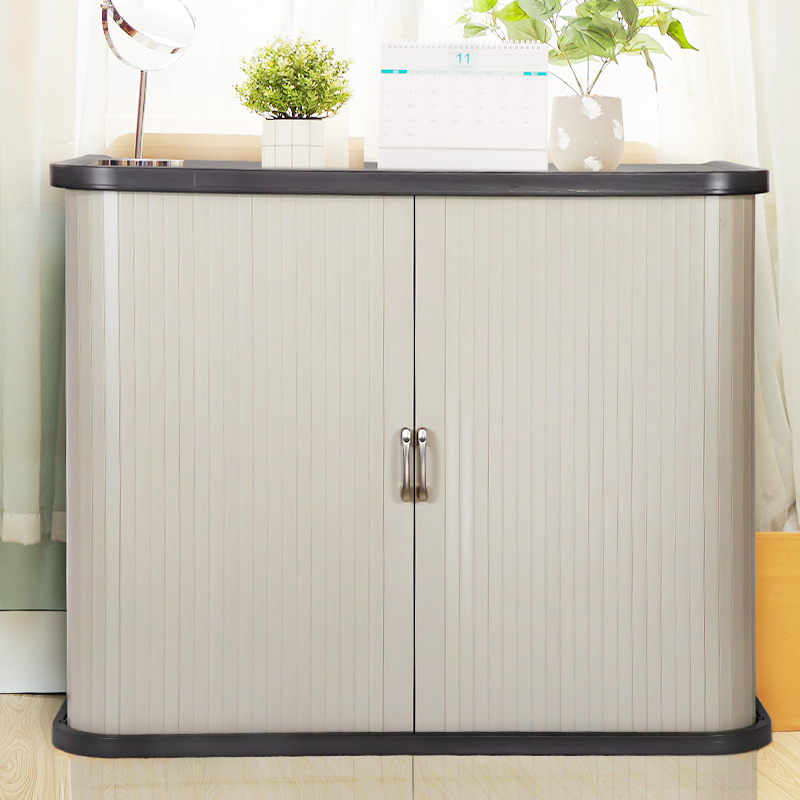
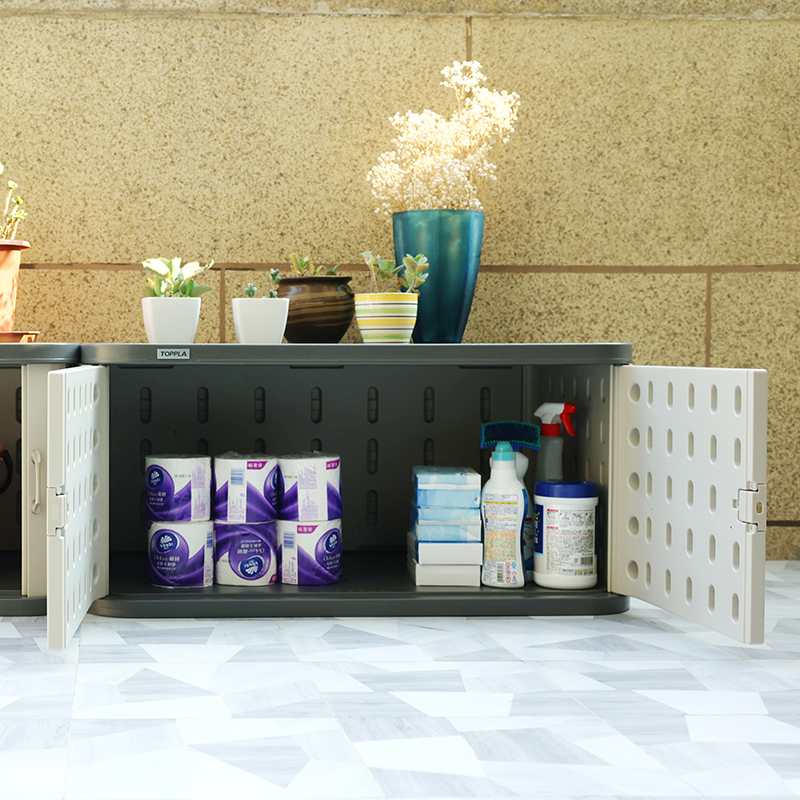
At our plastic locker factory we don’t just add electronics to a cabinet—we engineer the entire system for real-world reliability. The cabinet body uses high-density polyethylene (HDPE) or ABS engineering plastic. This material absorbs almost zero moisture, so mold and mildew never get started even in humid gyms or factory wash areas. UV stabilizers keep colors bright for years. Because the pigment runs through the entire thickness, scratches barely show. You get the same proven durability we build into all our plastics locker products, now paired with cutting-edge smart technology.
The real game-changer is the access system. Our MZ10 model uses palm vein recognition—extremely difficult to spoof and highly accurate. The ZY4.3 smart card cabinet offers simple tap-and-go convenience with a 4.3-inch HD capacitive touch screen. The ZY8 series brings facial recognition with 99.99% 1:1 accuracy and binocular live detection that spots photos or videos instantly. Scan-code versions integrate directly with WeChat, letting users open compartments temporarily and even handle billing by duration or single use.
Touch screens are responsive and intuitive—10-point capacitive on larger models with clear 1280x800 resolution. Backend management software gives administrators real-time visibility: who accessed which compartment, when, and for how long. Audit trails help with security compliance in government or enterprise settings.
Hinges and construction stay true to our heavy-duty standards. High-strength nylon hinges glide smoothly for tens of thousands of cycles without squeaking or binding. Reinforced panels (20–32 mm thick depending on the model) and smart internal ribbing give the cabinet rock-solid rigidity. Shelves hold substantial weight without flexing. The whole unit resists cracking under daily slams or bumps.
Compared with metal lockers you eliminate rust, painting, and constant repairs. Compared with basic mechanical lockers you remove key management headaches and add powerful security and convenience features. These Smart Lockers weigh about half of equivalent metal units, making installation easier and saving importers on shipping. Yet the combination of tough HDPE construction and advanced electronics delivers performance that traditional options simply can’t match.
We test every system hard—repeated access cycles, humidity chambers, impact testing, and live installations in schools, factories, and offices. The result is lockers that stay reliable and look professional long after cheaper alternatives start failing. That reliability is why supply plastic locker buyers and plastic locker manufacturers worldwide trust our Smart Lockers for their most demanding projects.
How B2B Buyers Should Choose the Right Smart Plastic Lockers
Start by matching the technology to your end customer’s actual needs. High-security government or enterprise environments benefit most from palm vein or facial recognition models with live detection. Schools or gyms often prefer smart card or scan-code options that are fast and easy for large groups. Factories might want a mix—biometric for supervisors and card/scan for general staff.
Next, evaluate daily usage volume and security level. High-traffic sites need fast, reliable access methods that won’t create bottlenecks. Look for systems with responsive touch screens and proven recognition accuracy. Backend management tools become essential when you need usage reports or integration with existing HR or security systems.
Customization separates good plastic locker manufacturers from great ones. As an OEM client or brand owner you want color matching to facility branding, logo engraving, compartment size options, and modular configurations that mix different access technologies in the same bank. Importers value knock-down packaging that reduces container volume and landed costs.
Integration matters too. Some models work with WeChat for scan-code billing—great for gyms or co-working spaces that want to monetize storage. Others integrate with existing access cards or SSO systems for seamless employee experience.
Warranty and support tell you everything about the supplier’s confidence. Top plastic locker factory partners back the HDPE structure with long warranties and provide clear technical documentation for the smart electronics. Always ask about software updates, replacement parts, and installation assistance.
Finally, run the total cost of ownership calculation. Smart Plastic Lockers cost more upfront than basic mechanical units, but they deliver lower key management costs, reduced theft, better user satisfaction, and dramatically lower maintenance over 10–15+ years. Smart B2B buyers always look at the full picture before placing volume orders.
Recommended Specs and Parameters for Different Applications
For typical office or enterprise use I recommend Smart Lockers with the ZY8 facial recognition or ZY4.3 smart card system. Standard column width around 36 inches, 72 inches tall for full-size units, 18–24 inches deep. Four to five adjustable shelves with at least 50-pound capacity. HDPE panels 20–32 mm thick and nylon hinges throughout.
Schools and universities often go with compact banks of smaller compartments using scan-code or fingerprint access. The ZY8 scan-code version works especially well because students can use WeChat for quick temporary access.
Factories and warehouses benefit from heavier-duty specs: 22–30 mm panels everywhere, reinforced bases, and full waterproof sealing on the HDPE body. Mix tall employee lockers with smaller tool or device compartments in the same modular bank.
Gyms or fitness centers love the scan-code models with billing capability. Look for units that support single-use or hourly charges through WeChat integration.
OEM and wholesale clients frequently order mixed configurations in one shipment—full biometric units for high-security areas plus simpler card or scan-code models for general use—all knock-down in the same container. Always verify exact compartment sizes, screen specifications, recognition accuracy ratings, and material certifications from the plastic locker manufacturers. Reputable suppliers publish clear technical data so you can spec accurately for bids and tenders.
Common Mistakes B2B Buyers Make When Sourcing Smart Plastic Lockers
The biggest trap I see is choosing the access technology without checking the physical construction quality. Thin panels or weak hinges will fail even if the smart electronics work perfectly. Always demand proper HDPE thickness (20 mm+ sides, 32 mm doors) from any plastic locker factory you work with.
Overlooking software and backend support creates headaches later. Fancy biometrics mean nothing if the management dashboard is clunky or updates stop coming. Test the admin interface before committing to volume.
Ignoring future expansion needs leads to mismatched systems. Buy modular Smart Lockers that let you add compartments or change access methods as your customer’s needs grow instead of starting over with a different brand.
Selecting the wrong access method for the user group causes adoption problems. Biometrics work great for controlled environments but scan-code or card options are often faster for high-volume public or student use.
Skipping site measurements and power requirements wastes time and money. Some smart systems need wiring or stable power—plan that early. Measure hallway widths, door clearances, and available space before ordering.
Finally, don’t forget to confirm color consistency and branding options across large orders. Quality plastic locker manufacturers use the same resin batch and offer engraving so every locker looks professional when installed side by side.
Wrapping It All Up
Smart Plastic Lockers turn traditional storage from a daily frustration into a smooth, secure, modern experience that serves users and facilities teams for years. They combine the proven durability of HDPE plastics locker construction with advanced biometric and digital access that eliminates keys, reduces theft, and provides valuable usage data. Once you see the real scenes they solve, the pain points they remove, the selection details that matter for B2B success, the exact specs that fit different applications, and the mistakes that waste money, partnering with the right plastic locker manufacturers becomes straightforward.
Stop dealing with rusty metal lockers, lost keys, and constant complaints. Work with a supplier who understands both tough plastics locker bodies and cutting-edge smart technology, and give your customers storage they’ll actually love using every single day. Your business relationships and their daily operations will both come out ahead.
FAQs
1. Are Smart Plastic Lockers secure enough for high-risk environments?
Yes. Models with facial recognition offer 99.99% accuracy plus binocular live detection that stops photo or video spoofing. Full audit trails add extra accountability.
2. How do Smart Lockers reduce key management headaches?
They eliminate physical keys entirely. Users access compartments with biometrics, cards, or scan codes, while administrators manage everything remotely through the backend system.
3. Why do B2B importers prefer plastic locker factory suppliers like Toppla for Smart Lockers?
Knock-down HDPE construction saves container space and freight. Full customization, strong structural warranties, and reliable smart electronics make resale and installation straightforward.
4. Can Smart Plastic Lockers handle humid or outdoor-covered areas?
Absolutely. The waterproof HDPE body, sealed seams, and UV protection keep them performing in locker rooms, factories, or covered outdoor spaces without rust or warping.
5. How long do Smart Plastic Lockers typically last?
The HDPE structure carries 15–20 year warranties and the electronics are designed for heavy daily use. Proper installation keeps everything running reliably for well over a decade.