

Where These Lockers Fit
Heavy Duty Plastic Lockers are used wherever storage must stand up to frequent use, moisture, and daily handling. They are common in schools, gyms, swimming areas, workplaces, industrial facilities, changing rooms, and shared public spaces.
In B2B projects, the product is often selected not because it is flashy, but because it performs steadily. A good plastics locker needs to look professional, stay clean, and keep working after repeated use.
Typical use cases include:
School student storage.
Employee personal storage.
Wet-area storage in pools or sports facilities.
Shared storage in factories and workshops.
Project supply for distributors and OEM customers.
For many buyers, the locker becomes part of the environment rather than an object on its own. That is usually a sign that the product design is doing its job properly.
Why Buyers Choose Plastic
Plastic lockers are attractive because they solve several problems at once. They resist rust, are easier to clean than many metal alternatives, and can hold up well in humid or high-contact environments.
That is why many buyers now look for Heavy Duty Plastic Lockers instead of traditional storage solutions. In real use, the low-maintenance advantage is often just as important as the physical strength of the product.
The main advantages are:
Better moisture resistance.
Lower corrosion risk.
Easier cleaning and maintenance.
More flexible color and design options.
Stronger long-term value for bulk users.
For a buyer, the decision is often simple: if the locker will be cleaned often, touched often, or placed in a demanding environment, plastic is usually easier to manage over time.
What Toppla’s Product Shows
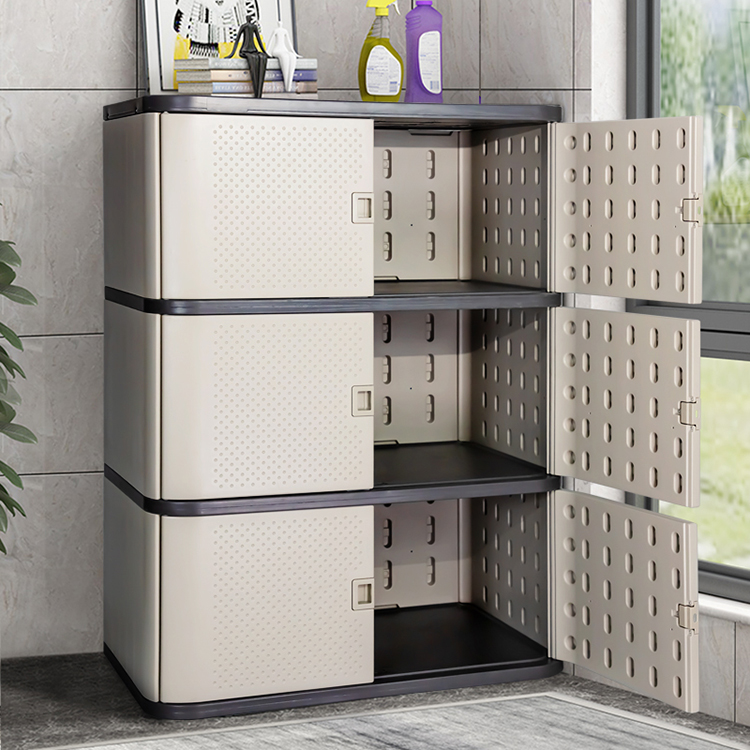
Toppla’s Heavy Duty Plastic Lockers are presented as a technically serious product, not just a general-purpose storage cabinet. The product material is HDPE, which gives it a stronger positioning in the commercial locker market.
The product information suggests a design built for durability, practicality, and scalable use. That matters because B2B buyers are not only buying one locker — they are buying a repeatable product system that can be used across different projects.
Key product points include:
HDPE plastic construction.
Strong, practical locker body design.
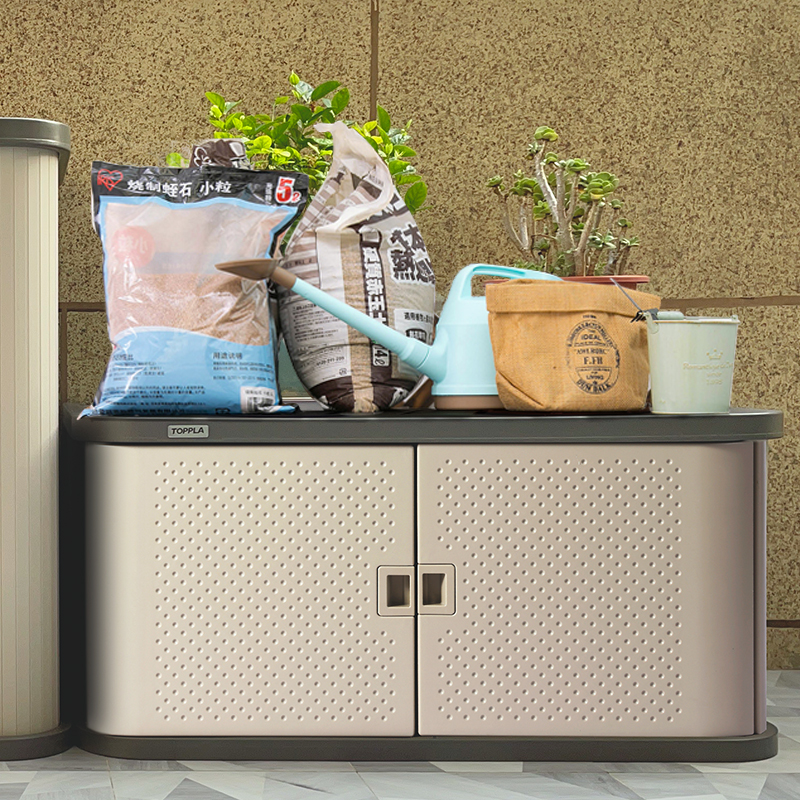
Waterproof and rust-proof performance.
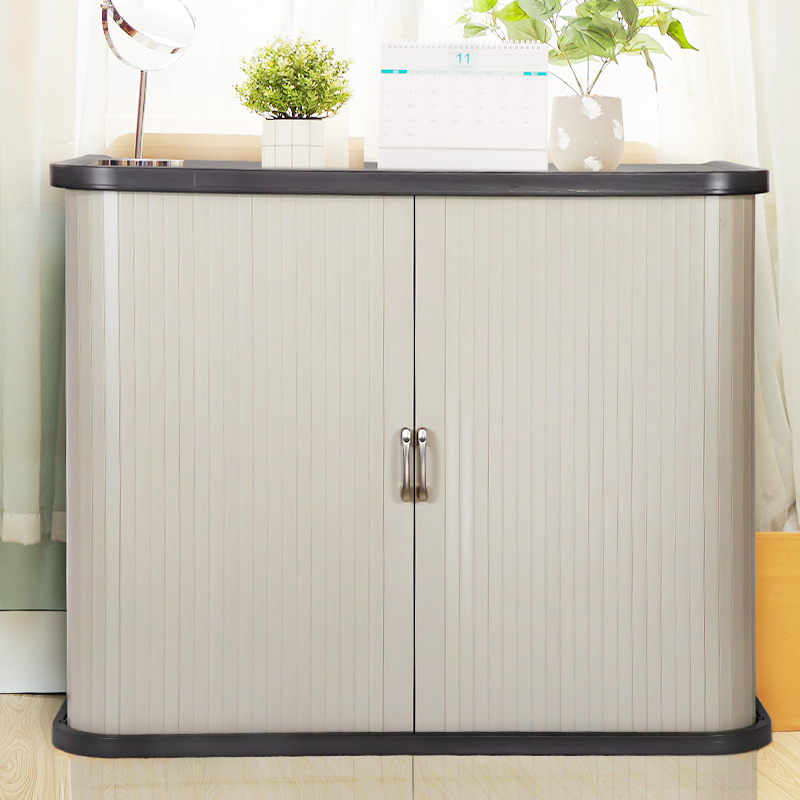
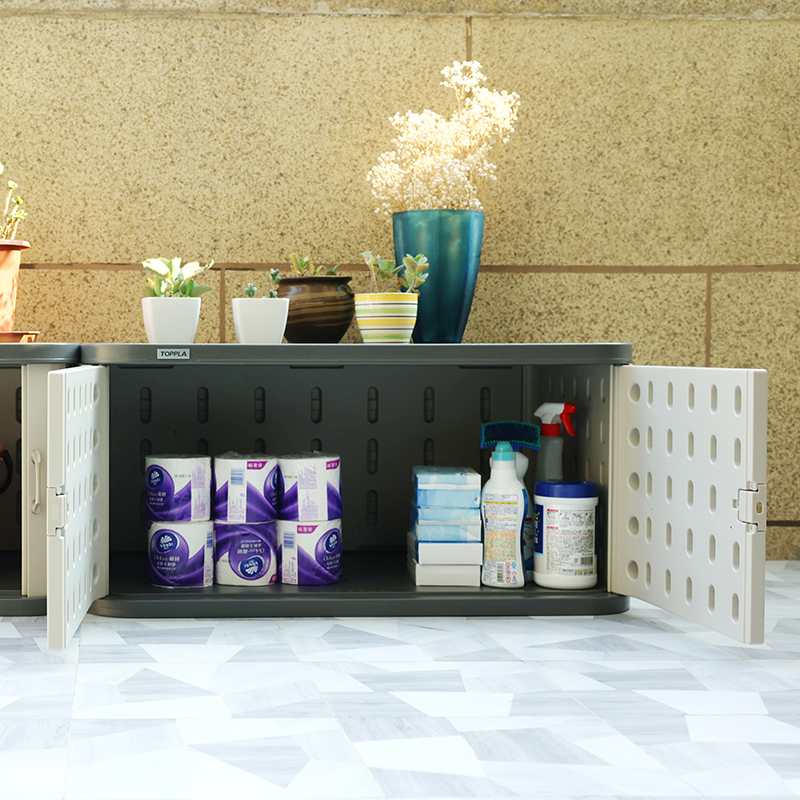
Flexible sizes and configurations.
Multiple color options for different market needs.
For a plastic locker factory, these features matter because they make the product easier to specify, easier to sell, and easier to repeat in future orders.
Technical Strengths That Matter
The technical value of an HDPE locker is in its ability to stay reliable under pressure. HDPE is widely used in storage products because it offers a strong balance of toughness, moisture resistance, and ease of maintenance.
In commercial projects, technical details often decide whether a locker is considered “good enough” or “worth reordering.” Buyers usually notice performance after installation, not during the sample stage.
The most important technical strengths are:
Long-term structural stability.
Good resistance to moisture and cleaning.
Low maintenance requirements.
Better suitability for demanding environments.
A more consistent appearance over time.
This is where Heavy Duty Filing Cabinets Plastic and storage products overlap in buyer thinking. Even if the application is different, the procurement mindset is similar: buyers want strong structure, simple maintenance, and dependable service life.
What Buyers Really Worry About
A consumer or procurement manager usually does not ask about material science first. They ask practical questions.
Common concerns include:
Will it last?
Will it warp, crack, or fade?
Is it easy to clean?
Can it handle daily use?
Is it worth the price?
Can the factory supply the same quality again next time?
These are the right questions. A strong Heavy Duty Plastic Lockers product should answer them without complicated explanation.
Short answers:
Yes, if the material and structure are well made.
Yes, if the locker is designed for frequent contact and cleaning.
Yes, if the factory can control thickness, hinges, and assembly quality.
Yes, if the product is built for commercial use rather than decorative display.
That is the difference between a product that sells once and a product that creates repeat business.
How to Choose the Right Locker
Choosing the right locker starts with the actual use case. A locker for a school is not the same as a locker for a wet environment, and a locker for a corporate site is not always the same as one for a factory or sports facility.
A practical selection process should include:
Define the use scenario clearly.
Check the material and surface performance.
Review the locker’s structural strength.
Confirm whether the size fits the space.
Ask about customization and batch consistency.
Consider cleaning, maintenance, and long-term service.
For B2B buyers, this is where plastic locker factory support becomes important. A good factory does not only produce the item; it helps the buyer build a sellable and repeatable product line.
Parameter Suggestions for Buyers
Product parameters should support real-world use, not just brochure language. For a Heavy Duty Plastic Lockers project, the most useful specification questions are the ones that affect durability and fit.
Important parameter points include:
Locker material: HDPE.
Surface behavior: easy to clean and maintain.
Structural design: suitable for repeated use.
Size options: must fit the end-use environment.
Color options: should support market demand and branding.
Configuration flexibility: important for bulk and OEM orders.
If the buyer is sourcing supply plastic locker products for multiple customers, the best choice is usually the one that balances strong performance with simple specification. Complex products may look impressive, but simple and durable often wins in real procurement.
Common Mistakes Buyers Make
The most common mistake is buying on appearance alone. A locker can look solid in photos and still perform poorly after installation.
Another mistake is ignoring the actual use environment. If the locker will face moisture, cleaning chemicals, or constant contact, the material choice matters more than the visual design.
Other common errors include:
Choosing the wrong size.
Underestimating daily usage.
Ignoring factory consistency.
Forgetting about repeat order needs.
Prioritizing low price over service life.
For distributors and OEM customers, these mistakes can become expensive. A product that fails in the field damages trust faster than almost anything else.
SEO Blog Topic Direction
If the goal is to attract B2B search traffic, the blog should focus on buyer intent, technical value, and sourcing confidence. Search-friendly content should sound useful first and promotional second.
Strong SEO directions include:
Heavy Duty Plastic Lockers for commercial buyers.
plastic locker factory sourcing guide.
supply plastic locker solutions for bulk projects.
Heavy Duty Filing Cabinets Plastic vs locker storage.
plastics locker options for OEM and wholesale buyers.
A clear title under 55 characters could be:
Heavy Duty Plastic Lockers Buying Guide
This title is direct, commercial, and aligned with the language buyers actually use when they search for durable locker solutions.
FAQ
What are Heavy Duty Plastic Lockers?
They are durable storage lockers made from plastic materials such as HDPE, designed for frequent use and demanding environments.
Why choose a plastic locker factory?
A plastic locker factory can provide consistent quality, bulk supply, OEM support, and more control over customization.
Are plastics locker products suitable for wet areas?
Yes. Plastic lockers are often preferred in humid or wet areas because they resist rust and are easier to maintain.
What is the benefit of HDPE in lockers?
HDPE offers strong durability, good moisture resistance, and a practical balance of strength and maintenance ease.
Can I use Heavy Duty Filing Cabinets Plastic in the same market?
Yes, in many commercial or institutional projects the same buyers value durability, easy cleaning, and long service life.
Conclusion
Heavy Duty Plastic Lockers are a practical B2B product with clear commercial value. They are strong, low-maintenance, and well suited to demanding storage environments where appearance and long-term performance both matter.