

Everyday Scenes Where Plastic Cabinets Make a Real Difference
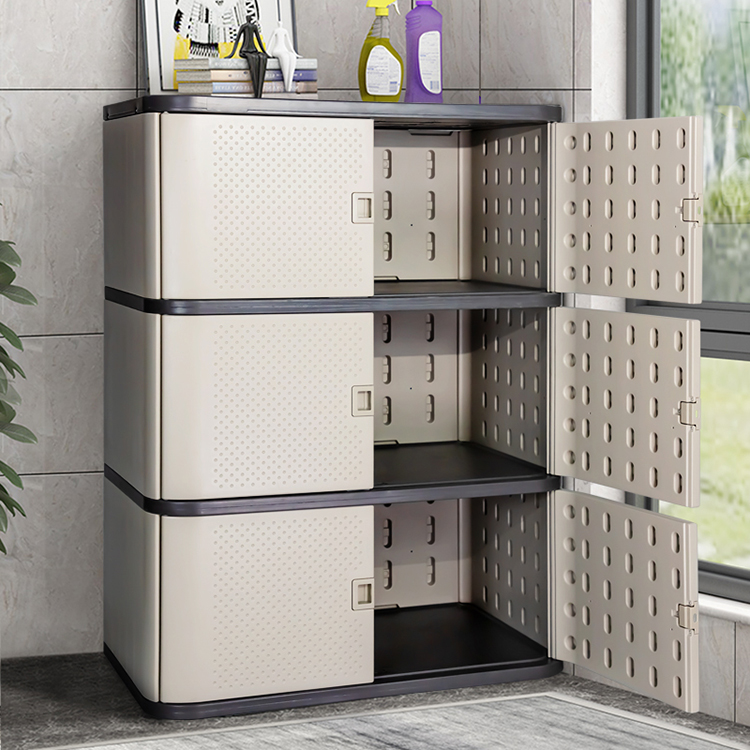
Let’s start with the garage on a random Saturday morning. You need the cordless drill, a couple extension cords, and that box of screws you know is somewhere. You walk over to your plastic cabinet garage setup, grab the handle, and the door swings open smooth and quiet. No metal screech that makes the neighbors look over. Everything sits right where you put it last time. Paint cans stay dry on the middle shelf. Power tools don’t get knocked around. Holiday lights or snow chains tuck away downstairs and the whole floor feels twice as big. Homeowners tell me the garage suddenly stops being a stress zone and starts feeling like an actual workspace.
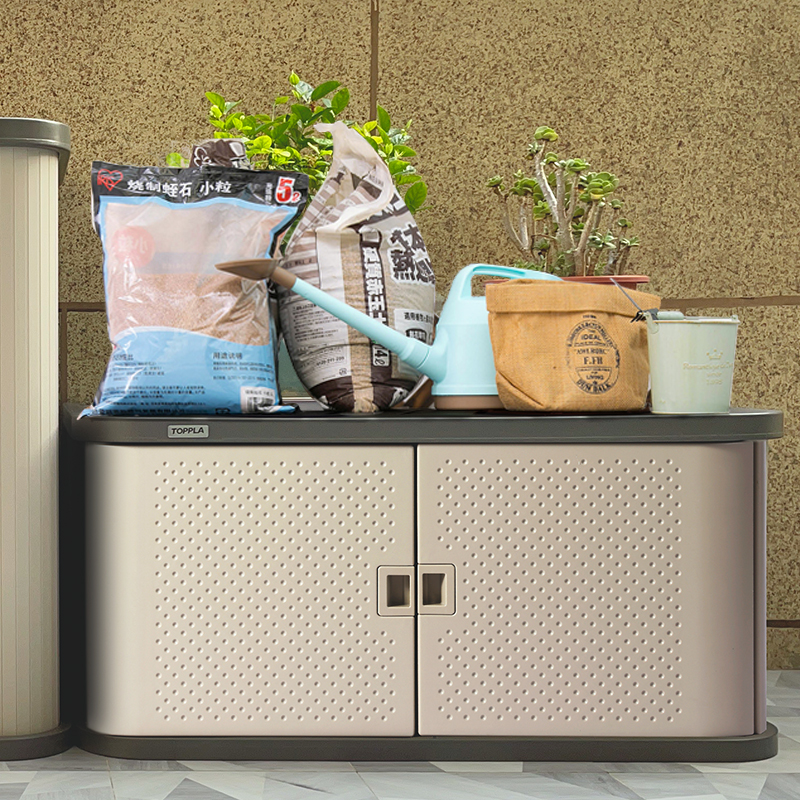
Now take it outside. A plastic cabinet outdoor model sitting on your patio or right beside the pool just laughs at the weather. Rain comes pouring down? The tight seals and slight slope on top keep everything inside bone dry. Garden hoses coil up neat on one side while pool chemicals lock away safe on the other. Boat owners in salty coastal towns love these things because nothing corrodes. Backyard grill guys stash propane tanks, tongs, and covers without worrying about fading or cracking after one summer. One customer from Florida called me after three full years of sun and afternoon storms and said, “Still looks brand new. No mold spots, no rust lines, nothing.”
Commercial places show the same pattern but on a bigger scale. School gyms load up plastic cabinet storage units with wet sports gear and muddy backpacks that slam the doors hundreds of times a week. Hospital staff rooms keep personal stuff secure in cabinets that wipe clean with disinfectant in seconds. Factories and warehouses use the heavy-duty versions to protect tools from dust and humidity without constant worry. Even small office break rooms grab the slimmer models so coffee supplies and extra chargers don’t eat half the wall.
Workshops get the biggest upgrade I see. Mechanics organize parts and fluids and never stress about oil eating through the sides. Hobby guys store woodworking tools or craft supplies in damp basements or backyard sheds. These cabinets are light enough that one or two people can shift them around, yet they hold serious weight without flexing.
We had a facility manager switch an entire employee locker area to our HDPE plastic units last year. Six months later he sent pictures and said repair calls dropped more than half. The quiet doors stopped bothering the whole floor, and the place just felt cleaner and calmer. That kind of real feedback is why we keep pushing these.
The Real Pain Points Metal and Wood Cabinets Create Every Day
Metal cabinets look okay when they’re brand new. Then humidity sneaks in and rust starts showing up—first as tiny orange dots, then full flakes that get on your tools and clothes. Doors begin to stick. Hinges loosen. Every time someone closes one the whole garage echoes and your nerves go right along with it. After a couple seasons you’re out there tightening screws or ordering replacement parts again. It never really ends.
Wood is even worse in garages or outdoors. Moisture makes it swell and warp almost overnight. Paint peels off in ugly strips. Shelves sag under normal loads. One little roof leak or spilled bottle and mold starts growing. You end up sanding, sealing, and repainting on weekends you’d rather spend doing anything else.
Both options cost you more money in the long run. I had one commercial client pull out his expense sheet and show me he spent double on metal repairs over five years compared to what plastic would have cost him upfront. Homeowners fall into the same trap: buy cheap, replace often, and repeat the cycle forever.
Safety stuff creeps in too. Rusty edges turn sharp and dangerous. Warped wood doors refuse to latch right, leaving tools or chemicals open to kids or pets. Outdoors, wood rots fast and metal corrodes quicker, so you’re lucky if you get two decent seasons before it’s junk again.
Plastic cabinets cut right through all that daily frustration. No rust creeping in. No warping that ruins your organization. No more weekend repair projects that never fix the root problem. You just open the door and it works, plain and simple.
Why Plastic Cabinets Outperform Metal and Wood: The Technical Stuff That Actually Matters
Here’s where plastic really pulls ahead. We use high-density polyethylene (HDPE) for our heavy-duty models because it flat refuses to soak up water. Mold has nowhere to start growing. UV stabilizers get mixed right into the resin so colors stay bright even after years sitting in full sun. And because the color runs all the way through the material—not just a thin coat on top—scratches hardly show. You can bump it with the lawn mower or drop a tool and it still looks decent.
Panel thickness is the part most cheap cabinets cheat on and where they fail fast. Our better plastic cabinet garage units come with 22 mm sides, 30 mm tops and bottoms, 32 mm doors, and an 80 mm reinforced base. That combo makes the whole thing rock solid. You can load a shelf with 50 pounds or more and it stays flat. The molding process fuses everything together so it doesn’t crack when you accidentally kick it or drop something heavy.
Hinges are another quiet hero most people overlook. We use high-strength nylon ones that never rust and they glide smooth for thousands of open-and-close cycles. The door shuts with a soft click instead of a garage-shaking bang. That alone makes the whole space feel calmer and less chaotic.
Security is simple and effective. Most plastic cabinet lockable models come with hasps ready for your own padlock or even built-in lock options. Some bigger facilities add electronic smart locks for high-traffic areas. Either way your valuables, chemicals, or tools stay protected without extra hassle.
Temperature swings don’t faze HDPE either. It stays strong from freezing winters to blazing summers without getting brittle or warping out of shape. Cleaning takes almost no time—just hose it off or wipe it down with whatever you have handy. No special rust treatments or coatings required.
Side by side with metal you skip all the painting, rust repair, and constant part replacements. Compared to wood you never deal with rot, swelling, or bug damage. These cabinets weigh about half what metal ones do, so moving or installing them is way easier for regular people, yet the smart ribbing molded inside the panels gives them strength that matches or beats heavier materials.
We test these units hard with drops, kicks, and daily abuse in schools and factories. They keep looking fresh long after metal starts peeling and wood starts rotting. That’s not marketing talk—that’s what we see in the field every month.
How to Choose the Right Plastic Cabinet Without Wasting Money
First thing I tell every customer: look at where it’s actually going to live. Indoor garage or basement? Standard HDPE with decent airflow works great. Outside on the patio or by the pool? Grab the full weatherproof plastic cabinet outdoor version with UV protection and sealed seams built in.
Next, get real about weight. Measure your heaviest items and match them to the shelf ratings the manufacturer lists. Good ones give you 40 to 75 pounds per shelf. Spread the load evenly and keep the really heavy stuff on the lower levels.
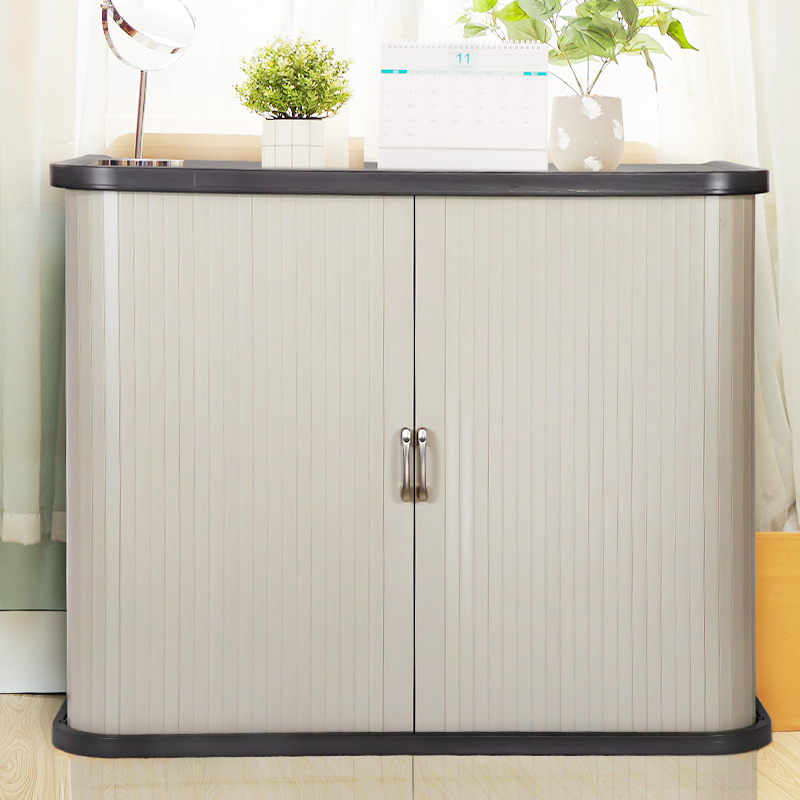
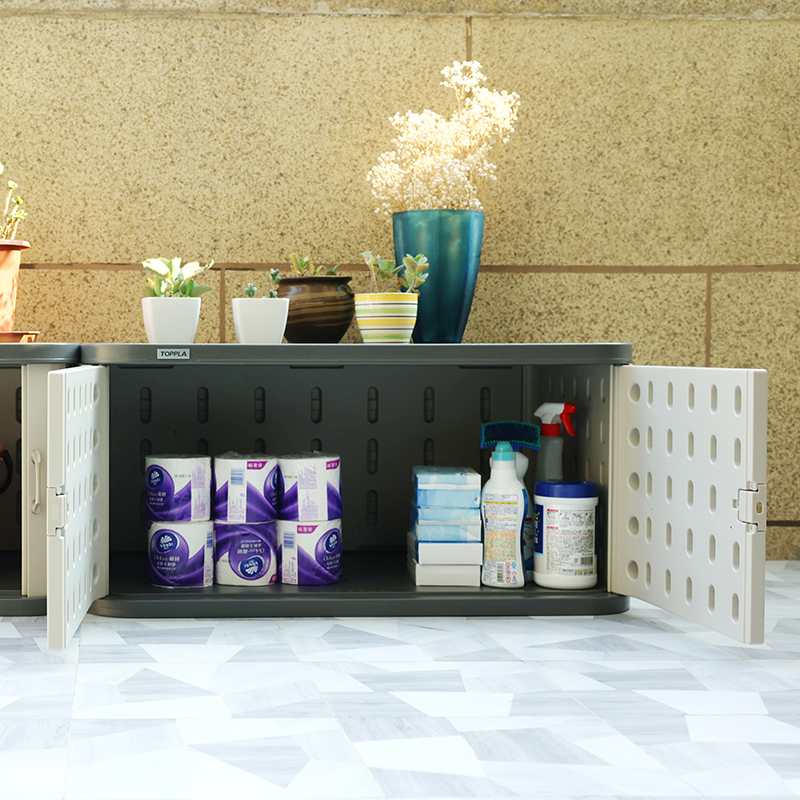
Door style changes how you use it every day. Single door fits tight spaces. Double doors give you wide access for bulky gear. Lockable doors are non-negotiable if you store anything valuable or dangerous like chemicals or power tools.
Adjustable shelves add huge flexibility over time. Slots every inch let you move things around as your needs change. Removable shelves make deep cleaning simple when you need it.
Measure your available space carefully before you order. Tall narrow plastic cabinets slide between studs or against walls. Wider ones maximize volume. Stackable or modular designs mean you can add more later without throwing everything out and starting over.
Color choice matters more than people think. Light tones stay cooler in direct sun. Darker ones hide scuffs and dirt better in busy workshops.
Last, check how it goes together. Tool-free or almost tool-free models save you hours of frustration. Clear instructions and color-coded parts mean even beginners can get it right the first time without extra help.
Recommended Specs and Parameters That Match Real-World Use
For a typical home garage I usually recommend a plastic cabinet garage unit around 36 inches wide, 72 inches tall, and 18 to 24 inches deep. Four or five adjustable shelves rated at least 50 pounds each. Lockable double doors for security and easy access. Panel thickness of 20 mm or better so nothing flexes when you load it up.
Outdoor use needs extra toughness. Pick a plastic cabinet outdoor model with fully sealed seams, integrated rain lips, and solid UV protection built for years of exposure. A 35 to 40 inch wide unit with reinforced base handles patio cushions, grilling supplies, or pool chemicals without any drama.
High-traffic commercial or busy workshop settings call for heavier specs. Look for 22 to 30 mm panel thickness, nylon hinges everywhere, and reinforced corners. Multiple-column setups work well for locker rooms or staff areas. Keyed locks or smart-card options add convenience in offices and gyms.
Pure storage-focused homes do best with plastic cabinet storage units that have deeper shelves and maybe a couple of optional drawers. Mix tall and short models to build a custom wall system that fits your space perfectly. Add ventilation slots if you store items that need a little airflow.
Always double-check the exact weight ratings and material certifications the manufacturer provides. Good companies put the real numbers right there so you know it will handle your actual daily use instead of letting you down six months later.
Common Mistakes That Shorten Cabinet Life or Waste Your Cash
The biggest trap I see buyers fall into is grabbing the cheapest plastic cabinet on the shelf without checking the actual specs. Thin walls and weak hinges fall apart fast under real loads. Always look for those 22 mm sides and 32 mm doors before you click buy.
Overloading is the number one killer I watch happen in the field. Even tough units have limits. Spread weight evenly and keep the heaviest items on the bottom shelves where they belong.
Rushing the assembly creates problems down the road. Take an extra five minutes, follow the steps exactly, use a rubber mallet and a level, and check alignment at every stage.
Putting the cabinet on uneven or soft ground leads to tipping or stress cracks over time. Level the floor first or add good quality leveling feet. Outdoors, anchor it so wind doesn’t knock it around.
A little basic maintenance still matters even though it’s minimal. Wipe surfaces every few months. Tighten any hardware twice a year. Brush off standing water after big storms. These small habits keep the cabinet performing for decades instead of just a few years.
And don’t buy too small thinking you’ll “make it work.” People always underestimate future needs. Grab a bit bigger or go modular so you’re not stuck starting from scratch six months later.
Wrapping It All Up
Plastic cabinets turn cluttered garages, patios, and work areas into spaces that actually stay organized without fighting you every step of the way. They kill the rust problems, cut the noise, slash the maintenance, and just keep working year after year no matter what you throw at them. Once you see the real situations they fix, the headaches they remove, the technical details that make them better, and the exact specs that match your life, choosing the right one feels pretty straightforward.
Stop dealing with doors that stick and shelves that sag. Get one solid plastic cabinet and enjoy opening the door every single time. Your tools, your supplies, and your weekends will thank you for it.
FAQs
1. Are plastic cabinets secure enough for outdoor use?Yes. The lockable versions come with strong hasps or built-in locks, and the thick HDPE plus reinforced doors hold up fine against weather and casual bumps or attempts.
2. Can a plastic cabinet outdoor really stay outside all year round?Absolutely. UV-stabilized plastic handles sun, rain, snow, and big temperature swings without fading or cracking when you pick a properly sealed model.
3. How do plastic cabinet garage units stack up against metal ones long-term?Plastic wins hands down. No rust, way quieter doors, almost zero maintenance, and lighter to move—makes daily life in a humid or busy garage much simpler.
4. What weight can the shelves in a plastic cabinet storage unit really hold?Solid models take 40 to 75 pounds per shelf if you spread the weight evenly. Always check the exact rating for the specific cabinet you buy.
5. Is assembly difficult for these plastic cabinets?Not at all. Most snap together with almost no tools in under an hour. Instructions are clear and parts are usually color-coded so even first-timers get it right the first time.