

What People Mean by “Plastic Cabinet”
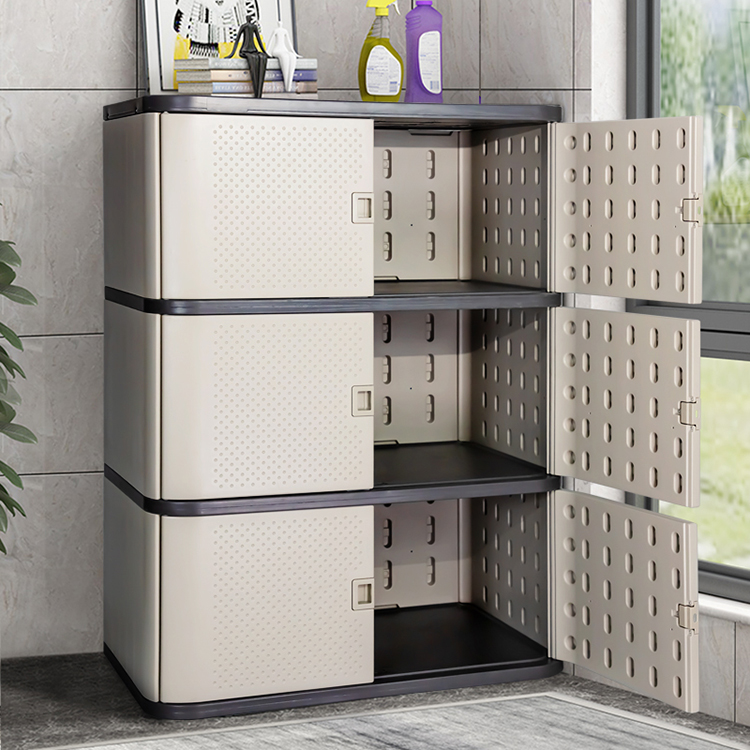
In simple terms, it’s a cabinet made from engineered plastic materials like HDPE or polypropylene.
In reality, that definition doesn’t help much when you’re buying.
Because two cabinets can both be called “plastic,” yet behave completely differently in use.
Some feel light and flexible. Others feel solid, almost like a molded structure. The difference usually comes down to thickness, internal support, and how the door is built.
When buyers search for a plastic cabinet, they’re usually trying to avoid three things: rust, maintenance, and short lifespan.
Where These Cabinets Actually Get Used
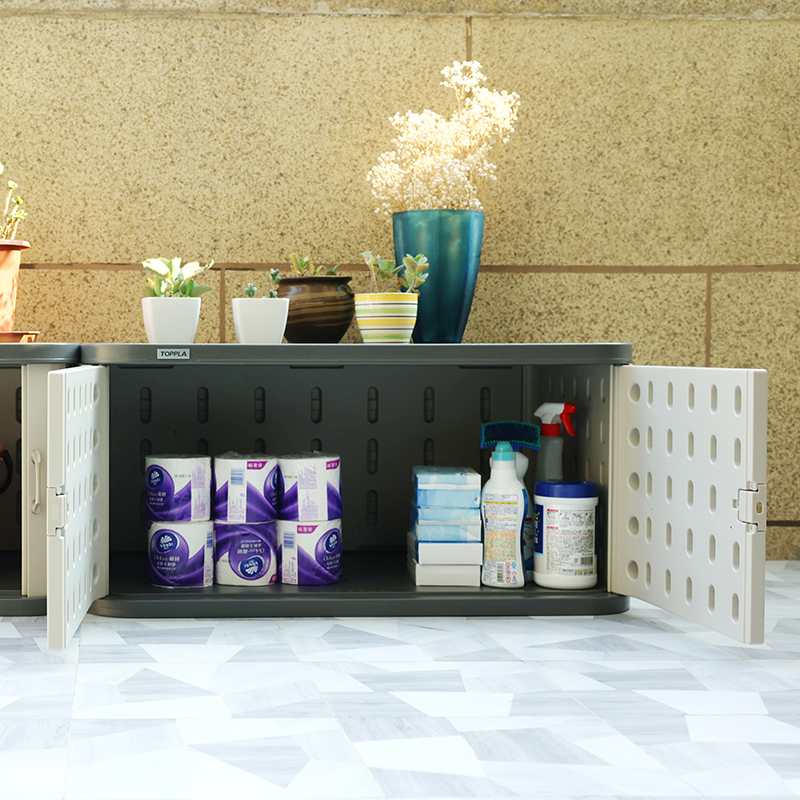
In the Garage
Garages are not gentle environments.
There’s dust, temperature changes, occasional moisture, and a mix of heavy and awkward items. A plastic cabinet garage setup tends to work well here simply because it stays stable.
It doesn’t react much to humidity. It doesn’t corrode. You can wipe it down and move on.
That alone solves a lot of long-term frustration.
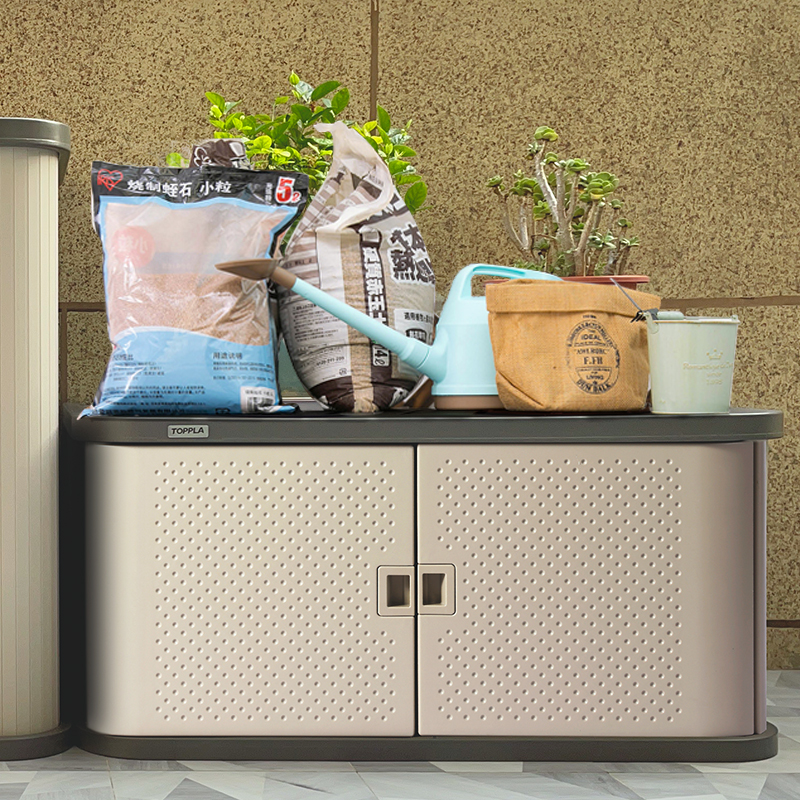
Outdoors
Outdoor storage changes the requirements completely.
Sunlight becomes a real factor. So does rain.
A standard cabinet, even if it looks solid at first, may not last. That’s why people specifically look for a plastic cabinet outdoor type.
The key difference isn’t appearance. It’s material behavior under exposure.
Some plastics fade and become brittle. Others hold their structure for years. You usually won’t see that difference on day one—but you will later.
Indoors (Utility Rooms, Offices)
Indoor use sounds easy, but there are still expectations.
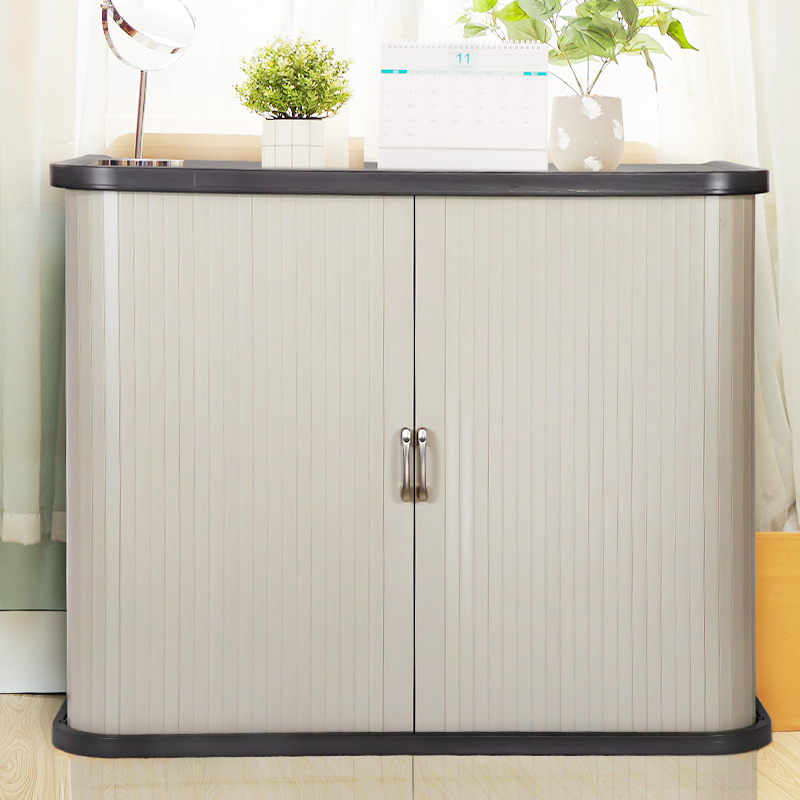
People want something that looks clean, opens smoothly, and doesn’t create noise. A plastic cabinet lockable option often becomes useful in shared spaces.
It’s a small thing, but it changes how people use the cabinet daily.
Workspaces and Industrial Areas
In busier environments, cabinets take more abuse than expected.
They get bumped, opened constantly, sometimes overloaded. A decent plastic cabinet storage system handles that kind of use without needing constant attention.
That’s usually what buyers care about in the long run—less maintenance.
Problems That Come Up Again and Again
Rust (or the Start of It)
With metal cabinets, it often begins quietly.
A small spot near a hinge. A bit of discoloration. Then it spreads.
Plastic avoids that entirely. That’s one of the main reasons people switch.
Doors That Don’t Line Up
This is more common than people expect.
At first, everything feels fine. Then the door shifts slightly. You need to push harder to close it. Eventually, the lock doesn’t align.
In many cases, the issue isn’t the lock—it’s the door structure behind it. A weak plastic cabinet lock setup often traces back to that.
Shelves That Slowly Bend
Not immediately. It happens over time.
You store a few heavier items. Weeks later, the shelf isn’t flat anymore.
This usually points to thin material or missing reinforcement.
Outdoor Wear
Sunlight does more damage than people think.
Without proper resistance, plastic loses strength. It may still look okay, but small cracks start forming.
That’s why a real plastic cabinet outdoor model needs more than just basic plastic material.
Choosing the Right Cabinet (Without Overthinking It)
Start With Where It Will Be Used
This sounds obvious, but many people skip it.
A cabinet that works indoors may not survive outside. A light-duty unit may not handle garage use.
So start there.
Check How Solid It Feels
You can usually tell quickly.
Does it flex when you press lightly? Does it feel rigid?
Better cabinets tend to have a more stable structure. Not heavy for the sake of it—but not flimsy either.
Look Closely at the Door
You’ll use the door more than anything else.
Open it. Close it. Notice how it aligns.
If something feels off now, it won’t improve later.
Lock System (If You Need One)
A plastic cabinet lockable design should feel straightforward.
No forcing. No awkward alignment. Just a simple, consistent action.
Over time, this matters more than expected.
Think About How You’ll Actually Use It
Not in theory—in reality.
How often will you open it?
What will you store?
Will the weight change over time?
A good plastic cabinet storage setup should match those habits.
Features That Make a Real Difference
Internal Support
Some cabinets include internal ribbing or reinforcement. You don’t always see it directly, but you notice it when shelves stay flat under load.
Surface Behavior
Smooth surfaces clean faster. That’s helpful in garages or work areas.
It’s a small detail, but it saves time over months of use.
Outdoor Resistance
For plastic cabinet outdoor use, this is critical.
Sun exposure and water resistance should both be considered—not just one.
Lock Durability
A plastic cabinet lock should remain consistent after repeated use.
If it loosens quickly, it becomes a daily annoyance.
Practical Suggestions
Garage
Go for a plastic cabinet garage model with stronger shelves. Weight adds up faster than expected.
Outdoor
Choose something built specifically for outdoor use. Not just “suitable”—actually designed for it.
Indoor
Focus more on usability. Smooth doors. Clean look. Reliable plastic cabinet lockable option if needed.
Heavy Use
Look for thicker panels and better structure. It reduces long-term issues.
Mistakes People Tend to Make
Picking Based on Price
It’s tempting. But cheaper cabinets often don’t last.
Replacing them later costs more than expected.
Using the Wrong Type for the Environment
Indoor cabinets don’t perform well outside. It’s that simple.
Ignoring the Door
The door affects daily use more than anything else.
If it feels weak, it will become frustrating.
Assuming All Plastic Is Equal
It isn’t.
Material quality and structure vary a lot between products.
FAQ
1. Is a plastic cabinet suitable for garage use?
Yes. A plastic cabinet garage setup works well because it resists moisture and doesn’t rust.
2. Can a plastic cabinet stay outside?
Only if it’s designed for it. A proper plastic cabinet outdoor model handles sunlight and rain better.
3. Are lockable plastic cabinets reliable?
A well-made plastic cabinet lockable system works consistently and provides basic security for everyday use.
4. Do plastic cabinets hold heavy items?
Some do, some don’t. It depends on structure and reinforcement.
5. Why choose plastic over metal?
Less maintenance. No rust. More stable in humid environments.
Conclusion
A plastic cabinet isn’t complicated. But choosing the right one does require a bit of attention.
Focus less on appearance and more on how it behaves over time.
Because in the end, storage isn’t about how it looks on day one—it’s about whether it still works the same way months later.