

What Makes a Heavy Duty Plastic Locker Different?
HDPE Material Advantages:
Corrosion-resistant, impact-tolerant
Maintains shape under daily stress
Handles disinfectants and moisture
Design Features:
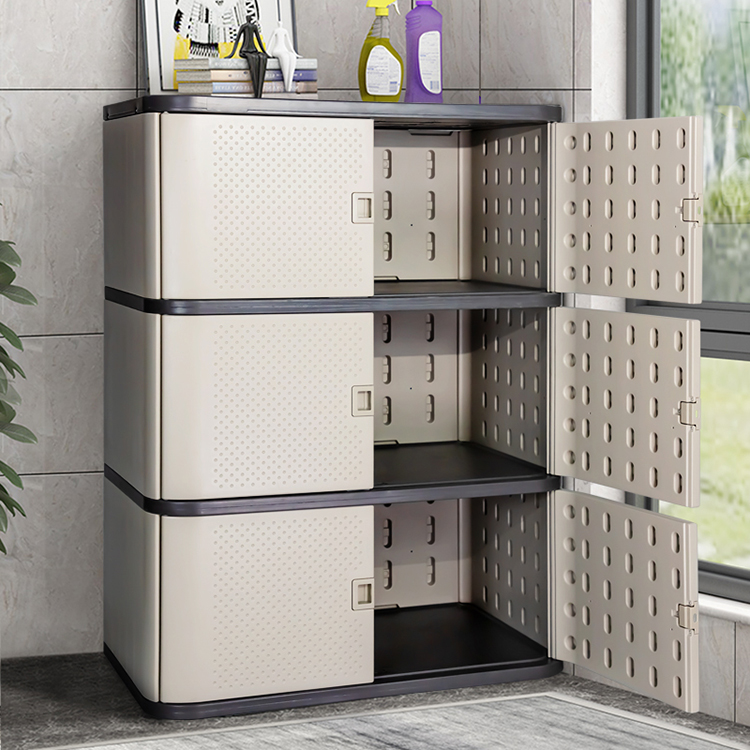
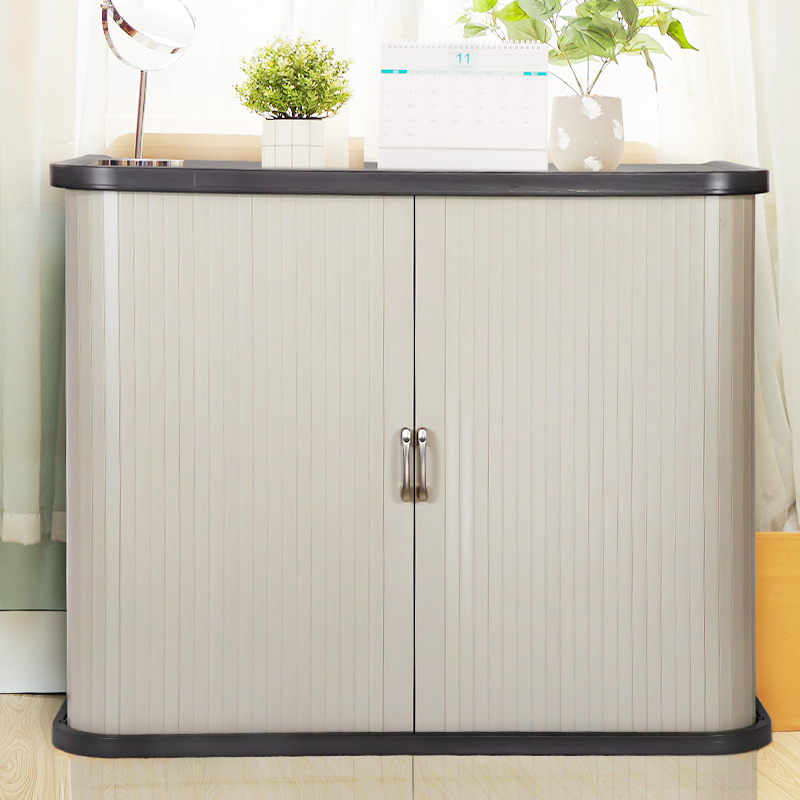
Reinforced Plastic Locker Doors
Integrated plastic cabinet lock/lockable systems
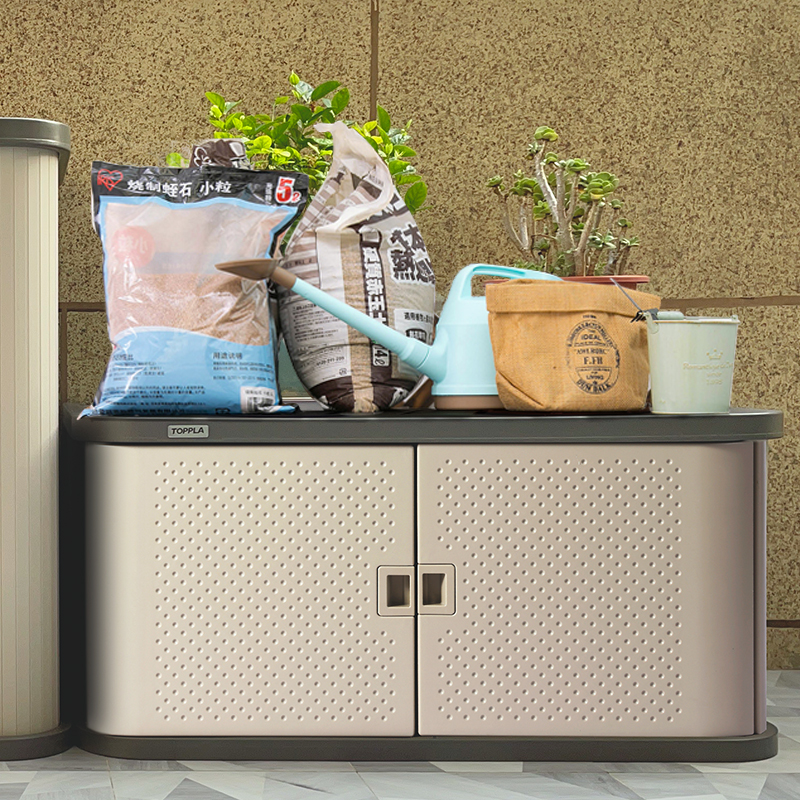
Modular and stackable for flexible layouts
Use Case Impact: HDPE lockers retain appearance, structural integrity, and functionality in high-traffic office environments.
Where Plastic Lockers Excel
Corporate Offices – Quiet, durable, low-maintenance storage.
Co-Working Spaces – Handles high turnover and heavy use.
Administrative Facilities – Resists cleaning chemicals and moisture, reducing maintenance complaints.
Key Takeaway: Material and design directly impact long-term reliability.
Selecting Office Lockers: Practical Criteria
1. Material and Durability
HDPE panels resist dents, moisture, and daily impact
Thin plastics or low-grade metal fail faster under office stress
2. Door and Hinge Design
Reinforced hinges prevent sagging
Flexing doors absorb impact and reduce noise
Smooth closing protects alignment
3. Locking Mechanisms
Plastic cabinet locks or combination locks are reliable
Avoid overcomplicating with unnecessary electronics
Reinforced plastic housings resist corrosion
4. Modularity and Flexibility
Stackable units allow phased expansion
Relocation is easy during office reconfigurations
Supports shared or rotating workspaces
5. Cleaning and Hygiene
Smooth HDPE surfaces tolerate disinfectants
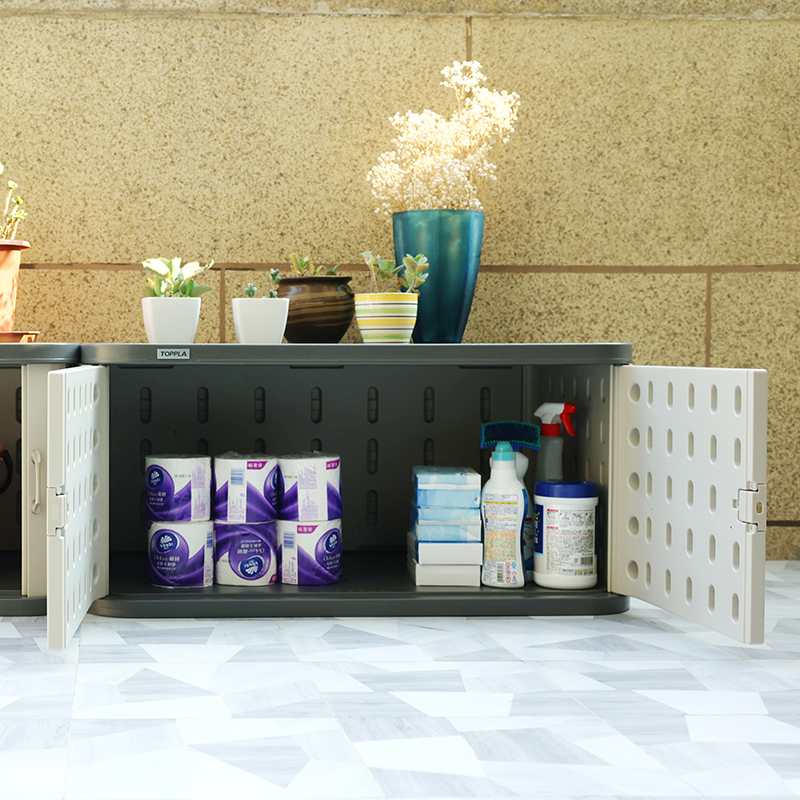
Rounded corners and ventilation reduce contamination
Low-maintenance surfaces save time and labor
Specification Table
| Feature | Recommended Choice | Reason |
|---|---|---|
| Material | HDPE panels | Corrosion and impact resistant |
| Doors | Reinforced Plastic Locker Door | Absorbs impact, reduces noise |
| Lock | Plastic cabinet lock / combination | Reliable, low maintenance |
| Ventilation | Integrated slots, smooth edges | Hygiene + airflow |
| Configuration | Modular / stackable | Flexible for expansion and relocation |
Common Purchasing Mistakes
Focusing on price: Cheap lockers fail faster and cost more over time
Ignoring material behavior: Thin plastics warp, steel dents/rusts
Overcomplicating locks: Electronics add cost and complexity without proportional benefit
Neglecting modularity: Fixed units are hard to relocate or expand
Underestimating cleaning needs: Steel coatings degrade with daily disinfection
FAQs for B2B Buyers
Q1: Are HDPE lockers suitable for high-traffic offices?
A1: Yes. Reinforced HDPE lockers absorb frequent use without deformation.
Q2: Can locker doors handle laptops or personal items?
A2: Yes. Doors flex under normal office loads without sagging.
Q3: Are plastic lockers modular?
A3: Yes. Units can be stacked, added, or relocated easily.
Q4: Are plastic locks secure?
A4: Yes. Properly designed plastic cabinet lock/lockable systems provide reliable security.
Q5: Can lockers be customized for OEM or branding?
A5: Yes. Color customization, logos, and layout modifications are available.
Conclusion: Why Choose Heavy Duty Plastic Lockers
Choosing office storage is no longer about unit price or appearance. B2B buyers should focus on:
Durability – Doors, panels, and locks that last
Low maintenance – Surfaces survive cleaning, locks remain functional
Flexibility – Modular systems adapt to office changes
Heavy Duty Plastic Lockers save time, reduce complaints, and provide predictable lifecycle value. They are an investment in operational efficiency, not just furniture.