

Where Smart Lockers Actually Earn Their Value
Offices Without Assigned Storage
Hybrid work broke the assumption that one person owns one locker. Many offices still try to force that model, and it rarely works.
Smart lockers allow temporary assignment and automatic release. The value here is not convenience. It is conflict reduction. When access rules are clear and enforced by the system, disputes simply disappear.
Industrial and Utility Environments
In factories and maintenance facilities, lockers often store tools, tablets, meters, and safety equipment. Loss rarely happens dramatically. It happens gradually.
Smart lockers introduce something traditional lockers never had: traceability. When every access creates a record, behavior changes. Accountability no longer depends on memory or trust.
This alone explains why industrial Smart Locker projects often get approved faster than expected.
Logistics and Distribution Centers
Logistics teams care less about design and more about speed. Drivers cannot wait for manual handovers. Supervisors cannot track everything themselves.
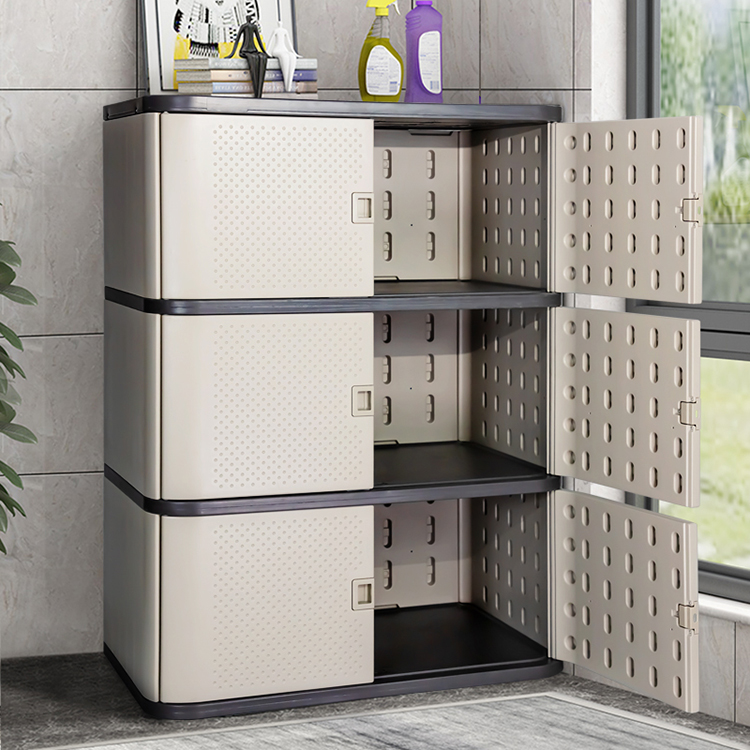
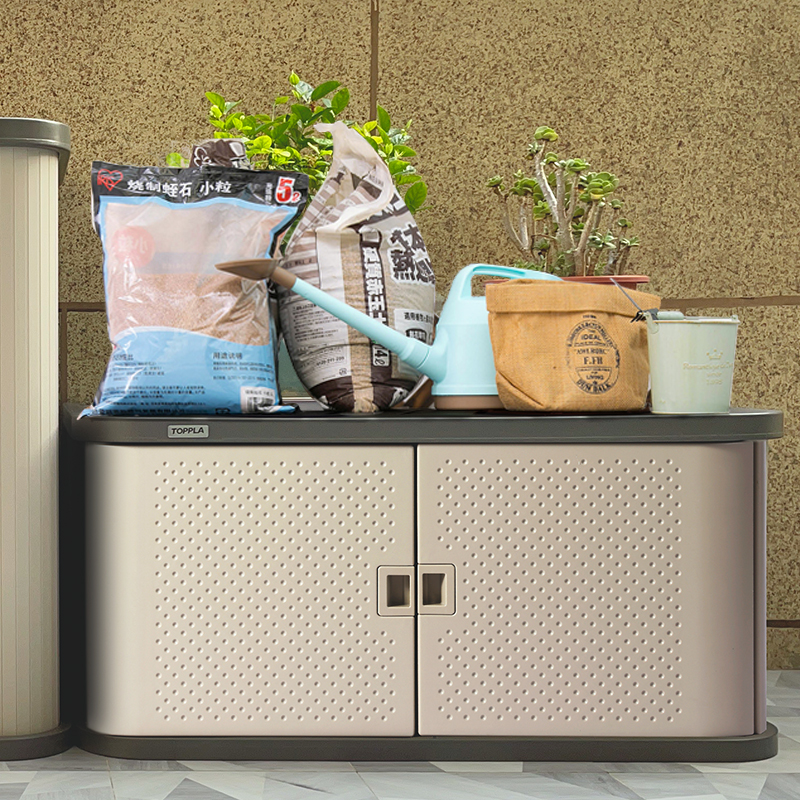
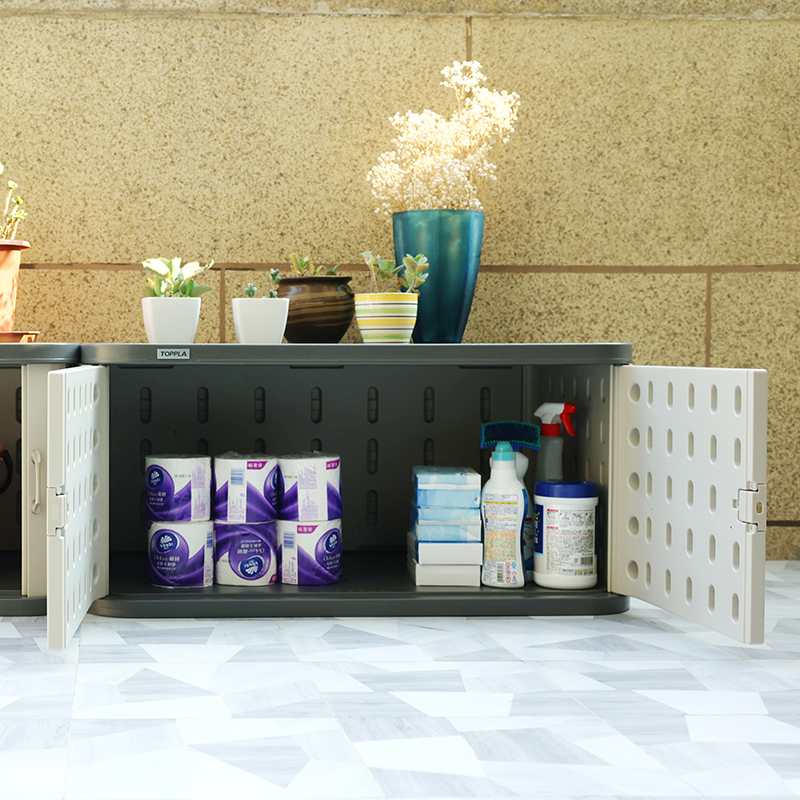
Smart lockers allow self-service access at any hour. Material choice becomes critical here. Plastic locker systems survive moisture, impact, and constant cleaning better than painted steel. That matters more than it sounds.
The Problems Buyers Rarely State Clearly
“We Don’t Know Who Used It Last”
This problem only becomes visible after something goes missing. Traditional lockers offer no answers.
Smart lockers remove the guesswork. Every door opening links to a user. That clarity changes how incidents are handled.
“Keys Are Quietly Costing Us Money”
Keys break, get lost, and require replacements. Managing them consumes more time than most teams realize.
Digital access removes this hidden cost. Many buyers switch to smart lockers for this reason alone.
“Our Lockers Look Old After One Year”
Daily use destroys weak designs. Doors bend. Paint chips. Rust appears.
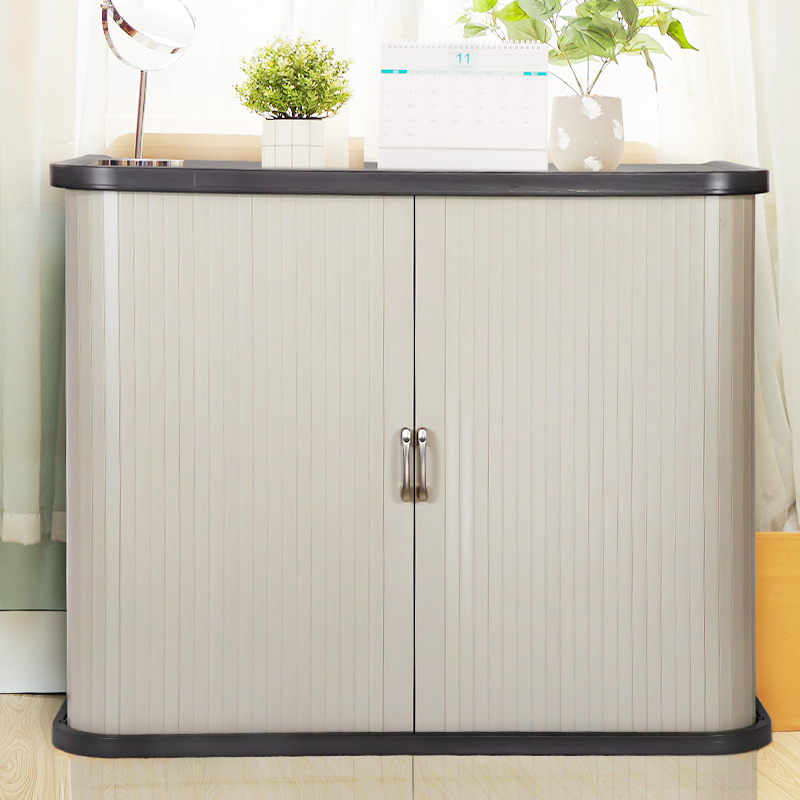
Facilities that choose plastic locker doors often do so after experiencing this failure cycle. Plastic absorbs impact and resists corrosion. It simply ages better.
What Actually Defines a Smart Locker System
Access Logic Matters More Than Screens
Touchscreens impress visitors. Access reliability satisfies users.
PIN, RFID, QR, or mobile access all work when implemented properly. Experienced buyers avoid systems locked into a single method. Flexibility keeps systems usable as needs change.
Software Determines Long-Term Satisfaction
Hardware failures are obvious. Software limitations are slower and more frustrating.
If administrators cannot easily add users, adjust permissions, or generate reports, the system becomes a burden. Strong smart locker platforms give control to the customer, not just the installer.
Materials Still Decide Lifespan
Technology does not cancel physics. Humidity, cleaning chemicals, and impact still exist.
This is why heavy duty plastic locker structures outperform steel in many real environments. They protect electronics while reducing maintenance.
How Experienced Buyers Evaluate Systems
Ask How the System Breaks
Every system works in a demo. Buyers should ask:
What happens when power fails?
What if the network goes down?
Can users still retrieve items?
Vague answers signal immature design.
Avoid Overengineering at the Start
Complex custom systems look impressive but slow deployment. Modular designs allow expansion without locking buyers into rigid layouts.
This matters for OEM buyers and multi-site rollouts.
Think About Cleaning Early
Electronics attract dust. Locker designs should isolate components and allow fast surface cleaning. Plastic locker designs make this easier.
Practical Parameter Guidance
Access: At least two methods
Structure: Modular, mixed compartment sizes
Material: Reinforced plastic for industrial or humid use
Service: Front-access electronics
Continuity: Local fallback during outages
Common Buying Mistakes
Choosing complexity over uptime
Evaluating lockers in showrooms only
Relying on vendors for basic software changes
Treating lockers as fixed infrastructure
Focusing only on purchase price
These mistakes cost more over time than buyers expect.
Buyer FAQ
Are smart lockers reliable in industrial use?
Yes, when designed for the environment.
Why plastic instead of metal?
Plastic resists corrosion and simplifies maintenance.
Which access method works best?
RFID plus PIN or mobile access covers most use cases.
Is modularity really necessary?
It protects future expansion and layout changes.
Can smart lockers integrate with existing systems?
Well-designed platforms support standard integrations.
Final Conclusion: What Smart Buyers Get Right
Smart lockers influence security, workflow, and cost. The best decisions focus on stability, environment fit, and long-term control — not feature lists.
Well-chosen Smart Locker systems quietly prevent problems. They do not demand attention. They simply work.
That is usually the strongest sign the right choice was made.