

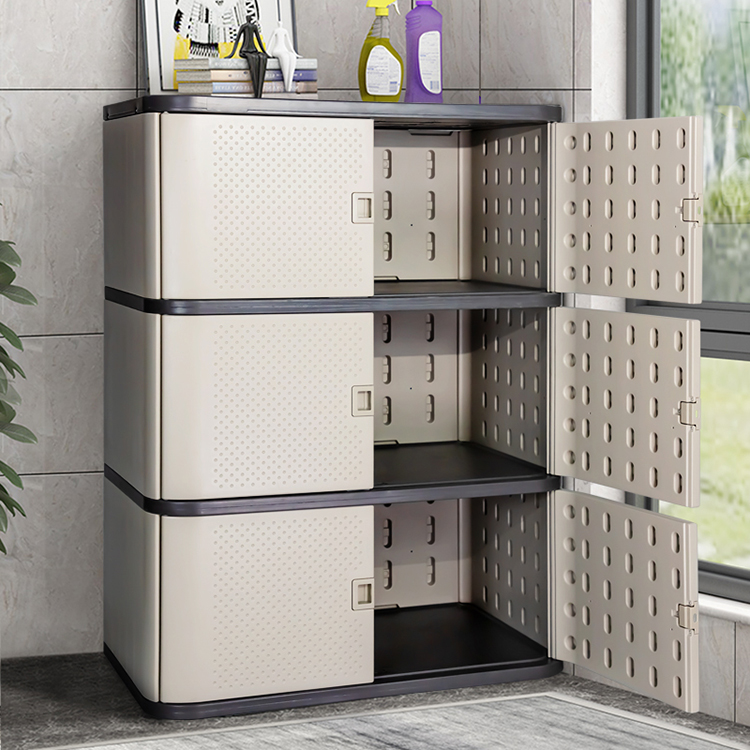
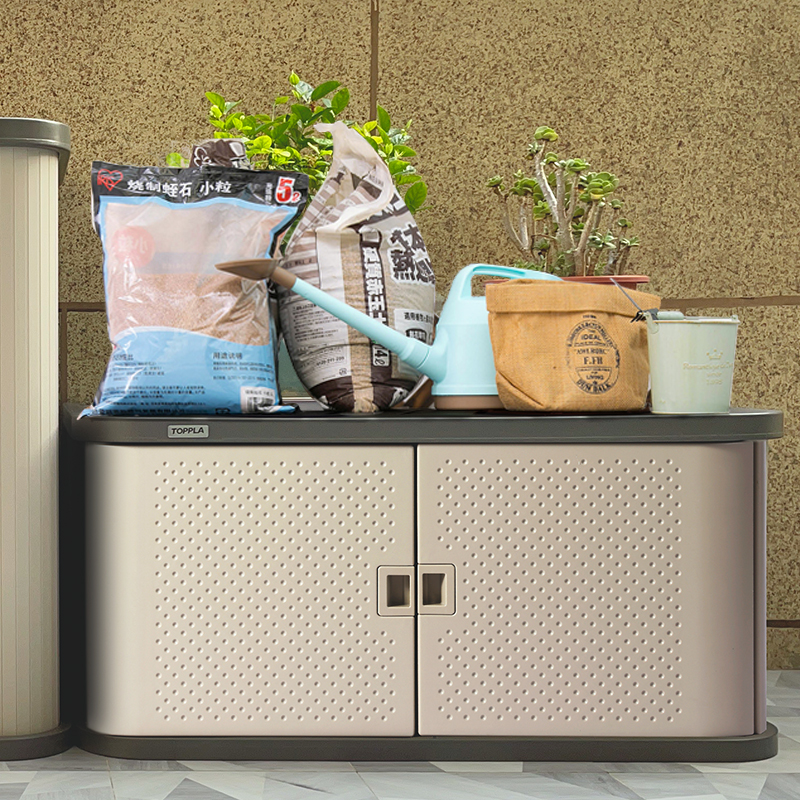
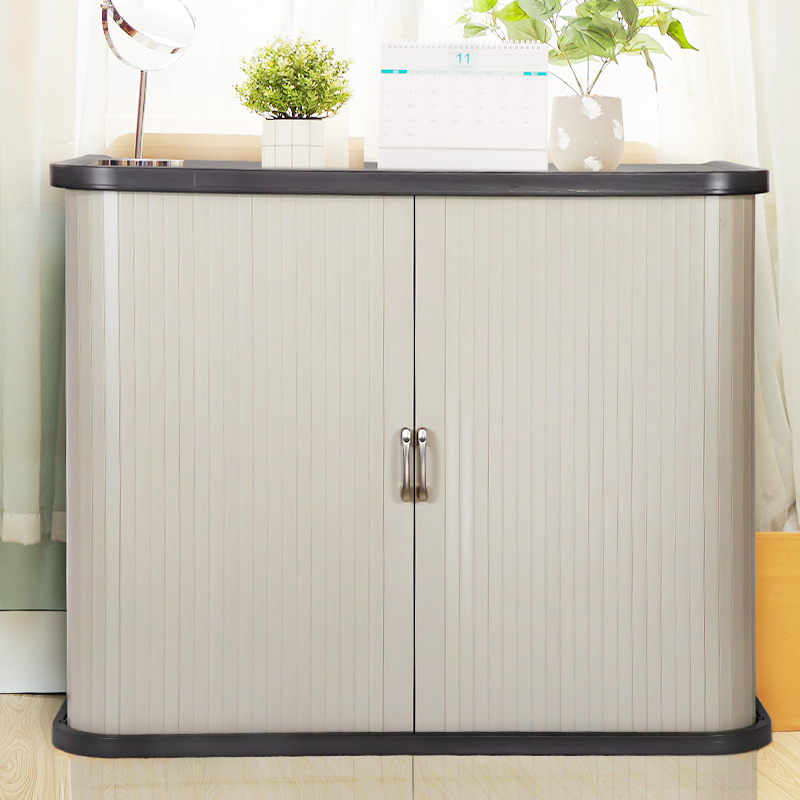
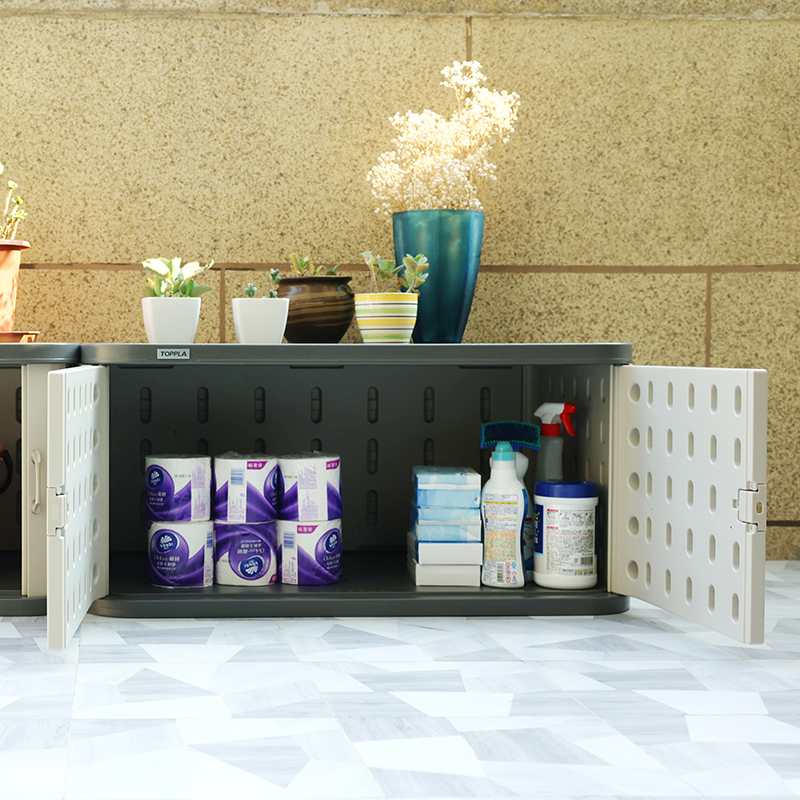
Let’s walk through exactly where these Heavy Duty Plastic School Lockers perform best, the daily problems they fix, how to choose the right model, which specs matter most, and the mistakes that waste school budgets. By the time you finish you will know how to pick plastic locker manufacturers that deliver storage built for real school life.
Real School Scenes Where Heavy Duty Plastic Lockers Make a Difference
Picture a busy middle school hallway right before the bell. Hundreds of students rush past. Lockers get slammed dozens of times each morning. Metal versions dent quickly and start showing scratches that never fade. A Heavy Duty Plastic School Locker takes those hits and bounces back. The thick panels flex under pressure and return to shape. Teachers report calmer mornings because the doors close quietly instead of echoing down the corridor.
PE changing rooms face even tougher conditions. Sweat, wet floors, and constant humidity fill the air after every class. Metal lockers develop orange rust spots within a couple of seasons. Doors stick. Paint flakes onto gym bags. Heavy Duty Plastic Lockers shrug it off. The solid construction stays dry inside even when the room drips. Cleaning staff hose them down at the end of the day and finish in minutes. No scraping. No repainting. One high school gym we worked with switched their entire wet area and eliminated rust complaints completely.
Classrooms now deal with a modern twist: student phones. Many schools enforce no-phone policies during lessons. Teachers need fast, secure storage right at the door. Phone lockers for schools and Cell phone lockers for classroom solve this exactly. Students drop their devices in labeled slots before class starts. The compact plastic units mount on the wall or stand freestanding. No more distractions. No more arguments at the start of every period. Toppla builds these with the same durable plastic as full-size School Lockers so they match the rest of the building and last just as long.
Elementary schools use smaller single-tier or double-tier units near coat areas. Kids store jackets, lunch bags, and boots without fighting stuck doors. The smooth Plastic Locker Door opens easily for small hands. Outdoor recess storage at playgrounds benefits too—UV protection keeps colors bright and frost never cracks the panels.
High schools often mix standard lockers in main corridors with specialized Cell phone lockers for classroom near science labs or cafeterias. The flexible layouts let administrators organize by grade or department. Sports teams get larger units in locker rooms that hold pads and helmets. In every case the pattern stays the same: heavy daily use meets plastic that simply keeps working.
The Daily Frustrations Traditional School Lockers Create
Metal lockers served schools for decades in dry hallways. Move them into real conditions and limits appear fast. Humidity from showers or rainy days hits exposed edges. Rust spreads from those first orange streaks into full flaking. Students end up with rust powder on uniforms. Coastal or indoor pool schools watch entire banks fail in two or three years.
Dents pile up next. A hurried student or cleaning cart clips a corner and the buckle stays forever. Paint cracks. Water sneaks in. More rust follows. Maintenance crews spend hours patching and touching up. Those labor hours eat into budgets that could go to books or technology instead.
Noise adds another layer of stress. Metal doors bang shut and the sound carries into nearby classrooms. Teachers pause lessons. Students lose focus. Over time the constant clatter wears on everyone in the building.
Maintenance never ends. Annual inspections, rust treatment, hinge adjustments, and repainting all cost time and money. Graffiti markers sink into scratches and refuse to come off without harsh chemicals that damage the finish further. Replacement cycles hit every ten to twelve years in busy schools.
Wood versions fare worse in any humid spot. They swell, warp, and grow mold inside. You seal and reseal yet they still fail. Neither material offers the through-color advantage or the flex that absorbs impacts without permanent damage.
Heavy Duty Plastic School Lockers remove every one of those issues at once. The ABS or HDPE panels contain no metal so rust never starts. They flex under force and return to shape. The Plastic Locker Door moves quietly because the whole unit stays solid. You clean with basic soap or a quick hose rinse. Graffiti wipes away on most surfaces. The result feels simple: lockers that just work while other materials keep demanding attention and money.
How to Choose the Right School Locker for Your Building
Start with the actual daily routine in your school. Ask straight questions. How many students will use each bank every day? Does moisture touch these areas regularly? Do you need quick phone storage during class? Will younger kids or rough crowds test the units?
High-traffic hallways and gyms call for full heavy-duty plastic with strong hinges and vented doors. Look for chemical resistance if cleaners see heavy use. These spots gain the most from zero-rust performance and fast cleaning.
Elementary schools often mix single-tier units for full-height coat storage with smaller multi-tier options for backpacks. Check height for younger students—lower handles help. Phone lockers for schools near entrances give teachers an easy drop-off station without extra steps.
High schools focus on security and capacity. Electronic locks or sturdy padlock hasps work well for valuables. Adjustable shelves inside let students store books, laptops, or sports gear exactly where they need them. Cell phone lockers for classroom near each teaching space support phone-free policies without disrupting flow.
Budget matters upfront but think ten to twenty years ahead. Heavy Duty Plastic School Lockers cost more initially than basic metal yet save through zero painting and far fewer repairs. Run the total ownership numbers for your building. In any environment with humidity or heavy use, plastic almost always delivers lower long-term cost.
Check the manufacturer closely. Toppla and other quality plastic locker manufacturers use solid injection-molded panels instead of thin shells. Look for real school case studies—installations at places like foreign language schools or primary campuses should show up in feedback. The quiet operation and clean lines keep appearing in principal reviews.
Test before you order large quantities. Many suppliers send samples. Open and close the Plastic Locker Door yourself. Feel the weight and solidity. Spray it with water and wipe it down. You will know immediately whether it meets your school’s standards.
Specs That Actually Matter for School Lockers
Width usually starts around 15 inches (about 380 mm) for standard use and goes wider for extra gear. Narrower units fit tight corridors; wider ones suit Cell phone lockers for classroom that need to hold multiple devices plus personal items. Depth runs 18 to 20 inches—deeper for bulky sports equipment.
Height and tier options shape capacity. Single-tier units stand about 72 inches tall and give full hanging space. Double-tier reaches around 36 inches per compartment and doubles users in the same footprint. Triple-tier through six-tier work great for short-term storage or younger students. Some staggered designs improve airflow and visibility.
Door style affects daily use. Vented Plastic Locker Door panels keep air moving and reduce odor buildup in gym areas. Full-height lifts or easy-grip handles help even with wet hands. Hinges run the full height in good models and use reinforced nylon or aluminum that never rusts. Latches range from simple catches for low-risk spots to lift styles or electronic options for phones.
Material thickness separates average lockers from true heavy-duty. Demand at least 22 mm side panels and 32 mm doors in ABS or HDPE. Thinner material flexes too much and cracks under repeated student use. Color runs through the whole panel so scratches never show a different layer underneath.
Colors do more than look good. Neutral bodies with bright blue, green, or gray doors come standard. Custom matches school branding without big fees. Some finishes fight graffiti better—test if vandalism concerns you.
Add-ons make each unit fit real school needs. Hat shelves, double hooks, boot racks, and drain holes customize without hassle. Adjustable interior shelves let users shift space as requirements change. Padlock hasps or electronic systems deliver security exactly where needed.
Safety and code items finish the list. ADA-compliant models lower handles. Fire ratings meet school requirements. UV additives protect outdoor units. Antimicrobial coatings keep high-touch surfaces cleaner longer in shared spaces.
Start with these for common school setups:
Main hallway: 15-inch wide, single-tier, 72-inch high, vented doors, basic hasp.
PE changing room: 15-inch wide, double-tier, drain holes, strong hinges.
Classroom phone storage: compact Phone lockers for schools wall-mount, multiple slots, electronic or key option.
Elementary coat area: wider single-tier with adjustable shelves.
Measure your space, count students, and list daily items first. Get the specs right once and the lockers serve without extra tweaks for years.
Mistakes That Waste School Budgets on Lockers
Schools sometimes treat every plastic locker as equal. Cheap thin versions use low-grade material or hollow panels. They flex, crack, and fail quickly under student traffic. Stick strictly to Heavy Duty Plastic School Lockers from established plastic locker manufacturers. Ask for material data sheets and test samples.
Another common error ignores ventilation. Sealed units trap moisture in humid gyms or after rainy days and create smells. Always pick models with door louvers or perimeter vents. Airflow keeps contents fresh and protects the Plastic Locker Door mechanism.
Wrong tier count or size causes daily frustration. Crowded multi-tier units bother taller students. Oversized single-tier wastes hallway space. Measure the tallest and widest items first, then add clearance for easy reach. Mock up layouts with cardboard before ordering.
Skipping long-term cost calculations leads to surprises. Metal looks cheaper on paper but five years of rust repairs and early replacements erase the savings. Calculate for your exact school environment. In any moist or high-use area plastic delivers lower total cost almost every time.
Forgetting security upgrades creates problems too. Basic catches work for low-risk spots but not against tampering. Step up to lift latches or electronic systems in public areas or for Cell phone lockers for classroom. The solid build already resists forced entry better than dented metal.
Poor installation shortens life dramatically. Uneven floors or walls twist the frame over time. Use leveling shims and anchor to studs or concrete exactly as the manufacturer directs. Professional crews keep the quiet, smooth operation you paid for.
Last, neglecting simple care wastes the low-maintenance benefit. While you skip painting and rust treatment, a quick monthly wipe with mild soap keeps surfaces looking new and prevents buildup. Teach custodians and students the routine and the lockers stay pristine.
Avoid these pitfalls and your investment delivers exactly what it promises: reliable storage that stays in the background.
Heavy Duty Plastic School Lockers give schools storage that lasts. They solve the rust, noise, dents, and constant fixes that come with other materials. Pick the right specs and avoid the usual mistakes and you install units that perform for years in busy hallways, wet gyms, or phone-controlled classrooms.
The Plastic Locker Door stays easy to use. The body stays strong. Your maintenance budget stays low. Schools that switch rarely look back. If daily traffic, moisture, or modern phone policies describe your building, these lockers give the practical solution you need.
FAQs About School Lockers
Do Heavy Duty Plastic School Lockers really resist rust and dents?Yes. The solid ABS or HDPE construction contains no metal and flexes under impact. They stay smooth and rust-free even in humid gyms or outdoor areas.
How long will a quality School Locker last in a busy school?Most carry 15- to 25-year performance with basic care. Many installations from over a decade ago still open and close like new.
Can I use these for Cell phone lockers for classroom?Absolutely. Compact wall-mount or freestanding versions hold phones securely during lessons. They match full-size units and support phone-free policies without extra maintenance.
Do I ever need to paint or treat plastic school lockers?No. Color runs through the material. The surface fights corrosion and graffiti naturally. Soap and water keep them clean.
Are they easy to customize for different grade levels?Very. Tier options, adjustable shelves, lock choices, and color combinations let you tailor each bank without special orders in most cases.