

Where School Lockers Are Really Used (Not Just Hallways)
When people think of a School Locker, they picture a hallway.
That’s only part of the story.
Hallways: High Traffic, Time Pressure
Students have minutes between classes. Sometimes less.
Lockers must open fast. Close smoothly. Stay reliable.
If not, students stop using them — which defeats the purpose entirely.
Classrooms: Controlled Storage
More schools now use Cell phone lockers for classroom setups.
Teachers collect phones before class starts.
This reduces distractions — and based on real usage feedback, some schools report fewer interruptions after introducing phone lockers.
Gym & Changing Rooms
This environment is different.
Sweat, moisture, and constant use push materials to their limits.
Traditional lockers struggle here. Plastic solutions perform more consistently because they don’t absorb moisture or develop corrosion.
Specialized Zones (STEM, Labs, Staff Areas)
Lockers now store more than books:
laptops
lab equipment
personal devices
This changes the design requirements completely.
What Problems Schools Are Actually Trying to Solve
Most schools don’t replace lockers for aesthetic reasons.
They replace them because something stopped working.
Problem 1: Students stop using lockers
From real student discussions:
“I stopped using mine… it was inconvenient.”
That’s not a product failure alone.
It’s a design failure.
Poor placement, difficult access, or unreliable doors push students to carry everything instead.
Problem 2: Maintenance keeps increasing
Metal lockers age unevenly:
rust in corners
paint damage
door misalignment
Plastic lockers reduce this cycle because the material itself resists moisture and corrosion.
Problem 3: Hygiene concerns
Schools clean frequently. Sometimes daily.
HDPE materials do not absorb water and resist mold and bacteria, which makes them easier to maintain in shared environments.
Problem 4: New tech habits (phones, devices)
Students now carry fewer books — but more electronics.
That’s why Phone lockers for schools and device storage systems are growing fast.
Why More Schools Choose Plastic Lockers
This shift didn’t happen overnight.
It came from repeated replacement cycles.
Plastic doesn’t react like metal
No rust. No corrosion. No paint peeling.
That’s not an added feature — it’s the nature of the material.
Long-term consistency matters more than initial strength
A metal locker might feel strong at first.
But after years of use, alignment issues appear.
Plastic lockers, especially HDPE-based ones, maintain structure more consistently over time.
Cleaning becomes simpler
No special treatment required.
In many cases, a simple wipe-down is enough for daily maintenance.
That saves time. And labor cost.
Customization fits modern campuses
Today’s schools want flexibility:
different sizes
color coding
modular layouts
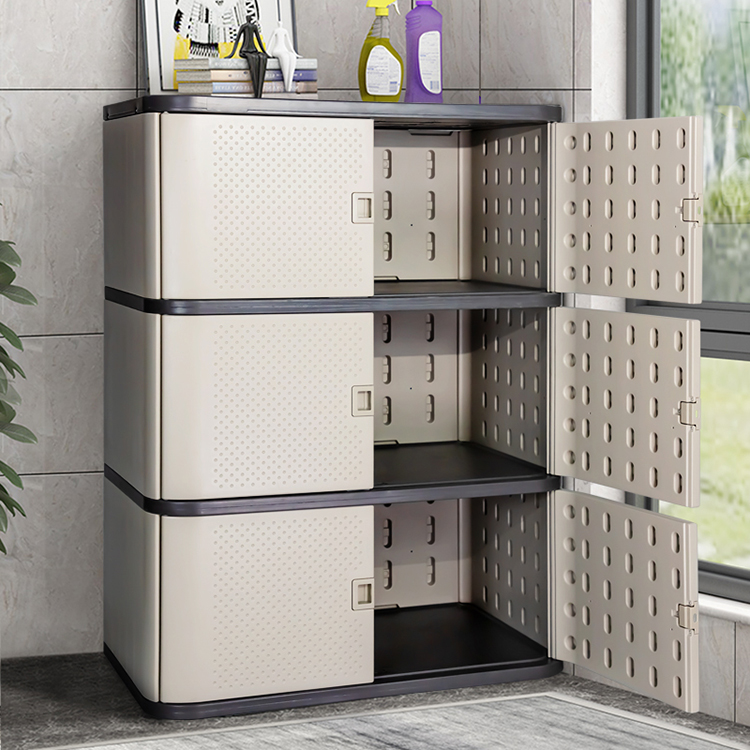
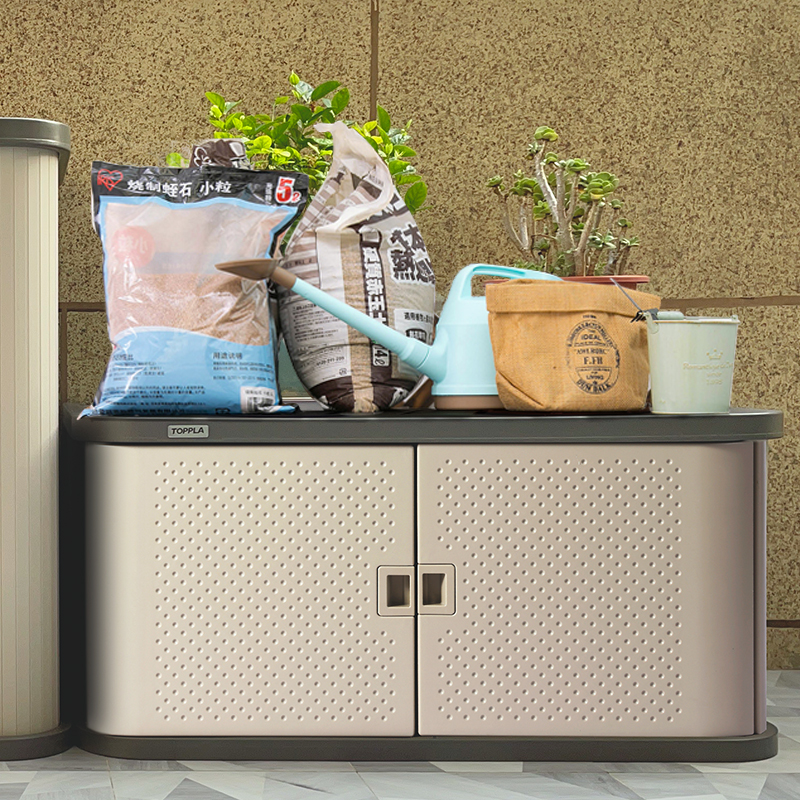
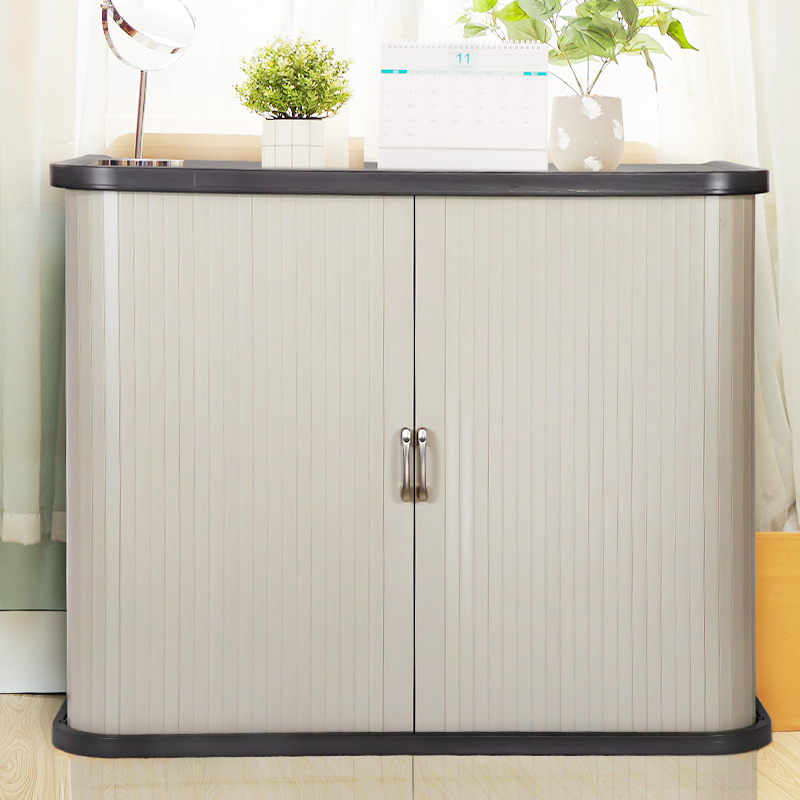
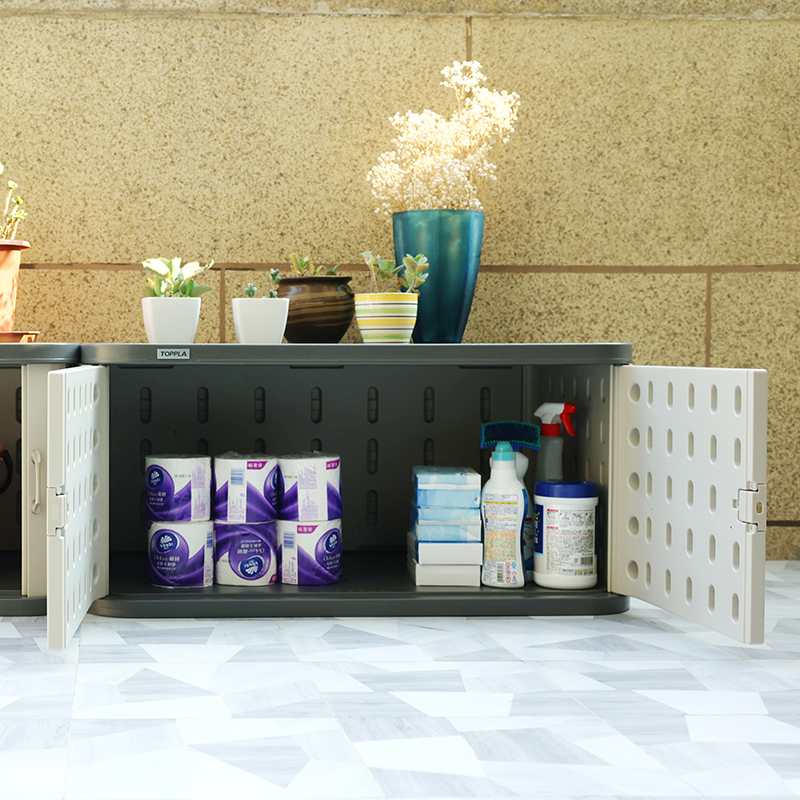
Toppla lockers support multiple configurations, sizes, and locking systems to match different school environments.
How to Choose the Right School Locker
This is where decisions become practical.
1. Start with usage, not product
Ask:
How often will students access it?
What will they store?
How much time do they have between classes?
This defines everything else.
2. Material determines lifespan
A Heavy Duty Plastic Locker made from HDPE offers:
moisture resistance
impact resistance
long-term durability
These are not optional features in schools — they are daily requirements.
3. Door design is more important than expected
The door handles:
daily impact
locking stress
alignment pressure
If the door fails, the locker fails.
4. Consider phone storage separately
Many schools now install:
Phone lockers for schools
Cell phone lockers for classroom
This helps:
reduce distraction
improve classroom focus
simplify management
5. Work with experienced plastic locker manufacturers
Not all suppliers are equal.
Experienced plastic locker manufacturers understand:
real school environments
installation challenges
long-term maintenance
This experience often matters more than price.
Recommended Specifications by Scenario
Elementary Schools
smaller compartments
lightweight doors
safe edges
Focus: safety and accessibility
Middle & High Schools
standard full-height lockers
strong hinges
secure locking
Focus: durability + daily use
Classroom Phone Lockers
compact grid layout
numbered slots
quick access system
Focus: efficiency
Gym Areas
ventilation design
moisture-resistant material
easy cleaning
Focus: hygiene
Common Mistakes Schools Still Make
Mistake 1: Choosing based on budget only
Short-term savings often lead to long-term replacement.
Mistake 2: Ignoring student behavior
If lockers are inconvenient, students won’t use them.
Simple as that.
Mistake 3: Using one locker type for all areas
Hallways ≠ gyms ≠ classrooms
Different environments need different solutions.
Mistake 4: Overlooking future needs
Technology changes fast.
Lockers now store devices, not just books.
FAQ
1. What is the best material for a School Locker?
HDPE plastic is widely used because it resists moisture, corrosion, and impact.
2. Are Heavy Duty Plastic Lockers suitable for schools?
Yes. They perform well in high-traffic, high-use environments and require less maintenance.
3. Why are phone lockers becoming popular?
They help reduce distractions and improve classroom focus by securely storing devices.
4. How long do plastic lockers last?
High-quality models can last many years due to their resistance to environmental damage.
5. Are plastic locker manufacturers customizable?
Yes. Many manufacturers offer size, color, and lock customization options.
Conclusion
A School Locker should not create problems.
It should remove them.
When chosen correctly, it:
reduces maintenance
improves organization
supports daily routines
That’s why more schools are moving toward Heavy Duty Plastic Lockers and specialized solutions like Cell phone lockers for classroom.