

Where These Lockers Show Up in Real Operations
Swimming pool changing rooms and water parks put lockers through constant moisture and chemical exposure. Swimmers bring wet towels, suits, and gear. The air stays humid, and cleaning crews use strong products daily. Lockers here need to keep personal items dry and secure while shrugging off the environment that ruins metal within a season or two. Plastic versions handle the chlorine and splash without corroding, and they clean up fast when someone spills something.
Industrial sites and factories have their own set of demands. Dust, oils, solvents, and occasional rough handling from workers or equipment take a toll on storage. Heavy Duty Filing Cabinets Plastic options give organized space for documents, small parts, and PPE right on the production floor or in warehouses. Managers want units that do not create safety issues when something heavy bumps into them and that do not need constant touch-up painting.
Gyms, spas, and outdoor recreational areas combine high user volume with moisture. People store bags, phones, and clothes between workouts or activities. In coastal spots salt air speeds up corrosion on anything metal. Cabinets Plastic Swimming Pools Locker setups often go into these locations because the material resists mold and stays presentable without a lot of work.
Brand owners and OEM customers look for products they can stand behind with their own clients. Whether they are outfitting a chain of fitness centers or supplying industrial contractors, they want reliable performance plus the ability to match colors or add simple branding. Importers care about how the product packs for shipping and how little support it needs once it reaches the end user.
The Problems Traditional Storage Creates in These Places
Metal lockers in pool environments start showing rust at the bottoms and seams within months. Chlorine and humidity work together to eat through coatings. Doors begin to stick, shelves weaken, and the whole row starts looking tired. Facility operators end up scheduling regular maintenance and budgeting for replacements every few years. That cycle adds up fast when you manage multiple sites.
Wood or laminate units absorb moisture in humid or splash-prone areas. They swell, warp, and eventually grow mold. In industrial settings chemical exposure or regular cleaning breaks down surfaces and joints. Heavy daily use leads to chips and loose parts. Buyers who bring these products in often see higher return rates and more warranty work from their customers.
Non-modular designs create waste. A pool with busy summer months may need extra capacity only part of the year. A factory that expands or reorganizes its floor plan runs into trouble when lockers cannot be moved or added without major work. This rigidity means either overbuying at the start or paying again later when needs change.
Security and organization issues show up daily. Weak latches or damaged doors allow theft or just make users frustrated. Lost items and slow shift changes add up across a busy facility. For B2B suppliers these small problems turn into complaints that affect repeat business.
High replacement rates hit importers and wholesalers in the wallet. Every new order means more freight, handling, and inventory sitting around. End customers experience downtime while old units come out and new ones go in. The real cost keeps climbing long after the first purchase.
What Experienced Buyers Check Before They Decide
Material performance is the first thing that matters. HDPE stays stable when it meets water, pool chemicals, or industrial solvents. It does not rust and it does not absorb moisture the way wood does. Thick, reinforced panels give it the strength to handle real use without turning into a maintenance project. Buyers who have switched from metal often say the difference shows up in the second or third year when they are not calling in repair crews.
Impact resistance counts in places where people or equipment move fast. Lockers that flex a little under a hit instead of cracking or denting keep looking and working better over time. Pool users drop wet bags. Factory workers move carts and tools. Units that take that treatment without constant visible damage reduce complaints and early replacements.
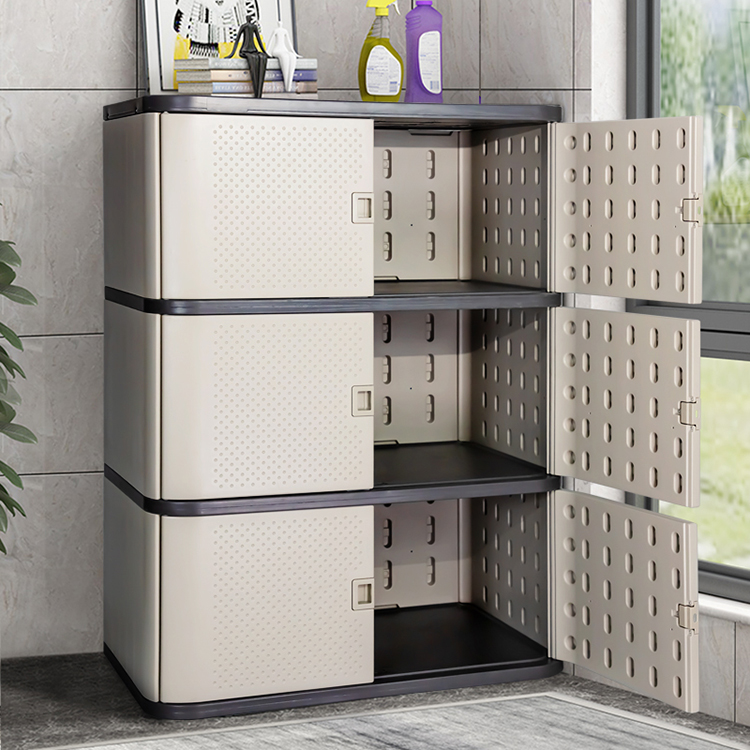
Modularity helps when projects grow or change. Banks of compartments can be set up single tier or double tier depending on the space and user needs. Knock-down shipping keeps container loads reasonable for importers. Assembly on site stays simple, which matters when you are fitting out a new build or a renovation with tight timelines.
Customization options let brand owners and OEM partners match what their clients actually want. Colors can align with facility branding or separate clean and dirty zones. Internal hooks, shelves, or locking styles can be adjusted for the specific use. Suppliers who handle these requests without huge minimums make it easier to win and keep commercial accounts.
Total cost of ownership usually favors these lockers once you look past the first invoice. No rust treatment, no painting schedule, and fewer full replacements mean lower ongoing expense. Lighter weight can also reduce installation labor and structural demands in some buildings. Importers notice better margins when damage rates during shipping stay low and customer support calls stay minimal.
Compliance and hygiene requirements matter for public or regulated sites. Smooth surfaces clean and sanitize quickly, which helps in recreational venues. Stable construction when loaded supports safety expectations on industrial floors. Buyers supplying schools, municipalities, or chains check that the product fits the standards their end customers require.
Buyers often ask how long these last in real conditions. In pool settings you are usually looking at 10 to 15 years of solid service before anything major needs attention, because the material does not corrode. Industrial use can be similar when the units are not constantly overloaded. Another common question is about customization. Most suppliers can match colors, adjust compartment layouts, and handle reasonable branding requests for OEM or private-label work. Shipping cost for bulk orders comes up too. Flat-pack designs cut container space significantly compared with assembled units, which improves landed cost for importers.
Practical Sizes and Setups That Fit Actual Projects
Common heavy duty models run around 1810 mm tall with compartment widths starting near 385 mm and depths around 500 mm. These dimensions work for personal gear at pools or smaller items and documents in industrial settings. Wider or multi-column banks let you scale capacity to the number of users without wasting floor space.
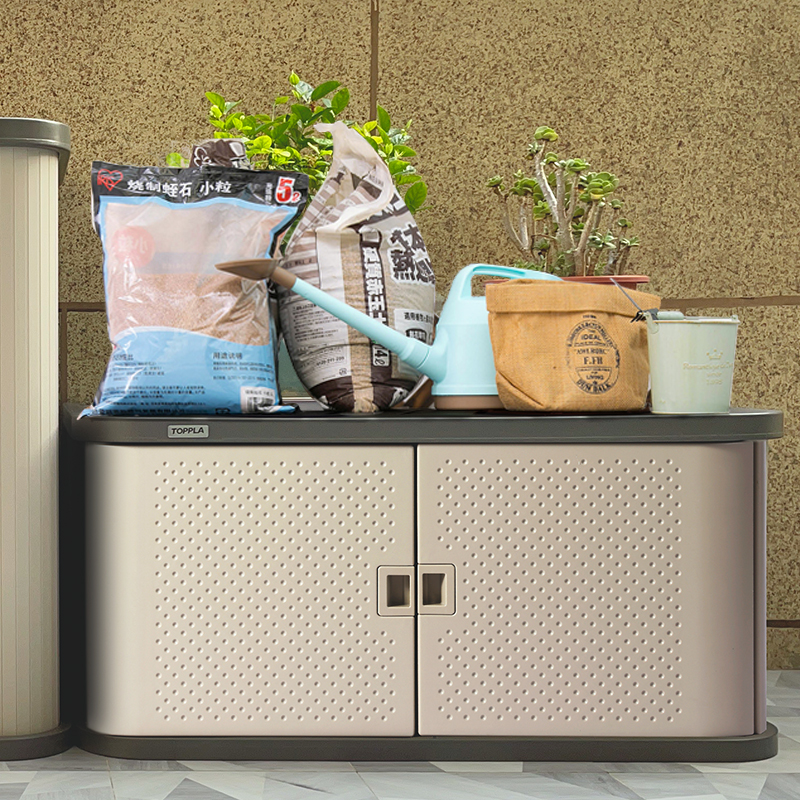
Pool and wet-area projects often benefit from layouts that allow air movement or simple drainage so water does not sit inside compartments. The material itself sheds moisture, but small design details speed drying and keep odors down. Colors that hold up under UV and repeated cleaning keep the installation looking intentional longer.
Industrial and filing uses sometimes call for reinforced internal shelves or dividers when heavier items or documents are stored. Secure locking that works with existing facility systems helps with loss prevention. Thicker panel construction handles the bumps and weight common in production environments.
For B2B buyers moving volume, shipping configuration makes a measurable difference. Knock-down panels pack tightly, which lowers freight per unit and reduces the chance of transit damage. Clear instructions and limited hardware mean installation crews finish faster, whether the project is a single large site or multiple smaller locations.
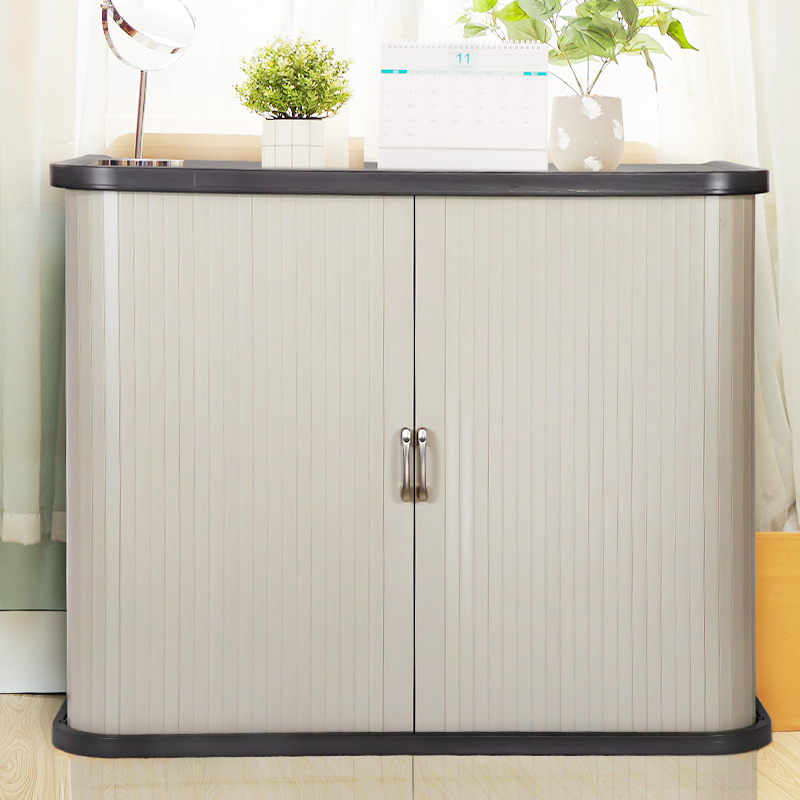
Color and finish choices support both function and presentation. Neutral tones fit industrial settings while brighter options work well in recreational facilities. Because the color goes through the material, it does not wear away or show primer when surfaces get scuffed during normal use.
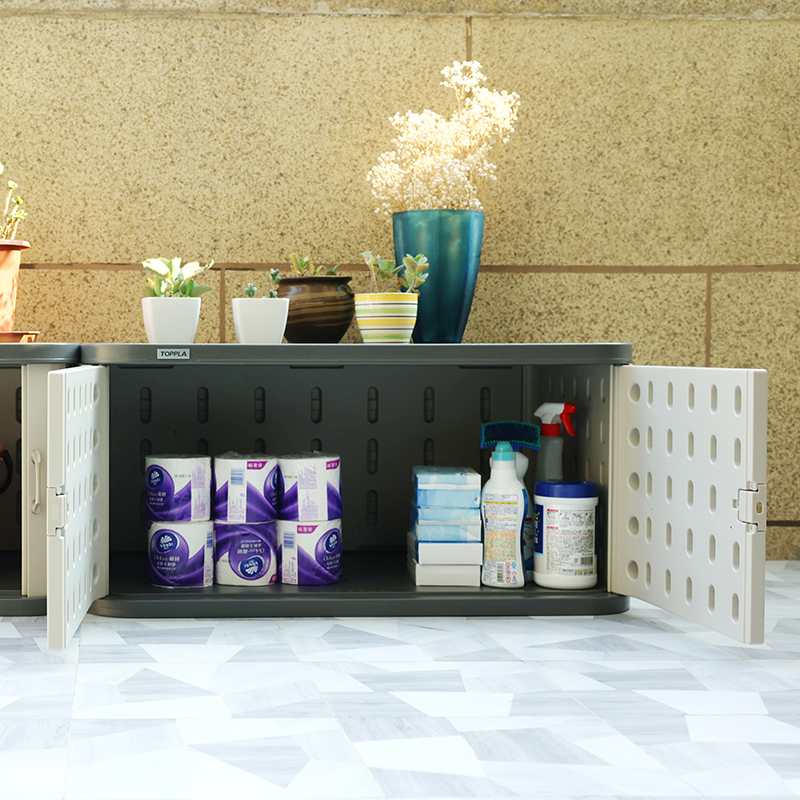
Internal features like hooks or ventilation can be specified based on what end users actually store. Pool guests often need space for wet items that can air out. Industrial users may prioritize secure small-part storage. Talking through these details early helps the final product match how the facility runs day to day.
Mistakes That Turn Good Projects Expensive
Buying on lowest price alone usually costs more later. Units with thinner panels or lower-grade material fail faster in wet or high-use spots. Importers then deal with repeat orders, extra shipping, and unhappy customers who expected better longevity.
Ignoring the actual environment is a frequent misstep. Metal lockers placed in pool or coastal air corrode despite initial coatings. Wood products in humid industrial zones develop mold and weaken. Matching the material to real exposure conditions prevents predictable early failures.
Overlooking shipping details raises landed cost. Fully assembled lockers take more container space and increase freight. Damage risk also goes up with bulky items. Knock-down designs from suppliers who understand export reduce these issues while keeping the final product solid.
Skipping conversations about customization limits what you can offer. Brand owners and OEM clients often need specific colors, sizes, or features to match their positioning. Suppliers who work with reasonable requests help buyers close more commercial deals and build longer relationships.
Underestimating installation and ongoing needs creates friction after delivery. Complicated assembly or frequent maintenance adds labor for the end user. Simple construction and low-maintenance surfaces improve satisfaction and cut support work for wholesalers and importers.
Straightforward Answers Buyers Often Want
How long do these lockers hold up in pool or factory conditions? HDPE construction typically delivers 10 to 15 years of service with normal use. The material does not rust or absorb moisture, so the main wear comes from physical impacts rather than environmental breakdown.
Can they be customized for branding or specific layouts? Most suppliers accommodate color choices, compartment arrangements, and simple branding for OEM or private-label work. Knock-down designs keep production and shipping practical even with modifications.
What about shipping costs for larger orders? Flat-pack construction reduces container volume compared with assembled units. This lowers freight per locker and makes bulk international orders more economical for importers and wholesalers.
Do they need special care around pool chemicals or industrial solvents? Routine cleaning is usually enough. The non-porous surface does not hold chemicals or support mold the way other materials can. No painting or rust treatment is required.
Which locking style works best for shared commercial use? Padlock hasps, built-in keys, or electronic systems depending on the security level needed. Many B2B clients choose straightforward mechanical options that integrate with existing facility keying.
What It Comes Down To for Procurement
Heavy Duty Plastic Lockers give reliable storage in places where moisture, chemicals, and daily impacts would quickly ruin metal or wood alternatives. The HDPE material, reinforced build, and modular approach directly address the cost and downtime issues that facility operators and their suppliers deal with in pools, gyms, factories, and outdoor sites. B2B buyers who focus on total ownership cost, shipping efficiency, and the ability to match project needs end up with products that support repeat business and fewer support calls.
Facilities that make the switch usually see longer intervals between replacements and lower day-to-day maintenance. Importers and wholesalers gain a line that performs consistently, which helps with customer retention and referrals. When the specifications fit the environment and usage, the lockers deliver value well beyond the initial order.
Meta Description:Heavy Duty Plastic Lockers deliver rust-free, low-maintenance storage for swimming pools, industrial sites, and commercial facilities. This guide covers real applications, storage pain points, selection factors for B2B buyers, practical specifications, and common procurement mistakes when sourcing Heavy Duty Filing Cabinets Plastic or Plastic Swimming Pools Locker solutions.
Product FAQ
How do Heavy Duty Plastic Lockers hold up against pool chemicals compared with metal?
They stay rust-free because HDPE does not corrode. Chlorine and constant humidity that break down metal coatings have little effect on the plastic, which cuts replacement cycles and maintenance in pool changing rooms.
What makes them practical for factory or warehouse storage?
Thick reinforced panels handle impacts from tools and equipment while the chemical-resistant surface stands up to oils and solvents. Modular layouts let you organize PPE, documents, or small parts without constant upkeep.
Can importers get custom colors or layouts for their markets?
Yes. Suppliers routinely handle color matching, compartment changes, and reasonable branding requests. Knock-down designs keep shipping manageable even for customized volume orders.
What lifespan should commercial buyers expect?
HDPE construction supports 10 to 15 years or more in demanding conditions with basic care. Many projects see strong performance well beyond initial warranty periods because the material resists the factors that destroy alternatives.
How does flat-pack shipping help with larger international orders?
Panels pack densely, which lowers container space and freight cost per unit. Assembly on site stays simple, so projects finish faster whether you are supplying one large facility or multiple locations.