

Real-World Scenes Where Heavy Duty Plastic Lockers Deliver Results
Picture a manufacturing plant during morning shift change. Dozens of workers stream in, drop heavy tool bags, hang safety gear, and stash personal items before clocking on. With Heavy Duty Plastic Lockers the noise drops immediately. Doors close with a soft, solid click instead of that echoing metal bang that carries across the floor. Supervisors report fewer distractions and a calmer start to the workday—no more constant clanging raising stress levels before the first break.
Now move to the gym or athletic facility locker room. Wet towels, sweaty uniforms, muddy cleats, and sports equipment get crammed inside after every practice or game. Traditional metal lockers rust fast in that constant humidity. Heavy Duty Plastic Lockers just shrug it off. The waterproof HDPE material and sealed construction mean you can hose down the entire bank at the end of the day and they look fresh again in minutes. Coaches and facility teams love spending less time on upkeep and more time on actual operations.
Industrial warehouses and distribution centers face their own challenges. Employees store bulky safety equipment, lunch coolers, and personal belongings in high-traffic areas exposed to dust, occasional spills, and temperature swings. Our heavy-duty models handle it all without corroding or warping. Importers who supply plastic locker solutions to logistics companies tell me these units survive forklift traffic nearby and still look professional after years of use.
Construction sites and outdoor job trailers need storage that laughs at the elements. Heavy Duty Plastic Lockers parked in covered but exposed areas stay dry inside thanks to tight seals and UV-stabilized resin. No more rusted tools or moldy work clothes at the end of a long week. One wholesaler client in the Southeast ordered several hundred units for a large contractor network and reported zero corrosion complaints after two full hurricane seasons.
Even office-adjacent or light commercial spaces benefit from Heavy Duty Filing Cabinets Plastic versions. HR departments or small factories use them for secure document storage alongside employee lockers. The same tough construction keeps files safe from humidity while the quiet operation keeps the professional atmosphere intact.
I remember one European importer who brought in 600 units for a new automotive parts distribution hub. Eight months after installation the facilities manager sent photos showing every locker still looking showroom fresh despite daily use by 400+ workers. That kind of real feedback is exactly why B2B buyers keep returning to plastic locker factory partners who test their products in actual high-abuse environments.
The Daily Headaches Traditional Metal and Wood Lockers Create in Commercial Settings
Metal lockers look sturdy when they first arrive on site. Then real-world conditions take over. Humidity from rain, sweat, or cleaning routines starts rust spots within months. Doors begin to stick. Hinges loosen under constant slamming. Workers accidentally kick them or overload them, creating dents that never come out. Maintenance crews end up painting, tightening, or replacing panels far too often. One facilities director showed me his cost spreadsheet—his company spent more on locker repairs in three years than the original purchase price of the entire set.
Noise becomes another major issue in busy facilities. Metal doors clang every single time they open or close. In open warehouses or shared locker rooms that sound never stops. It carries into work areas, raises overall stress, and makes communication harder during shifts. Some operations have actually started removing traditional metal lockers because the constant racket affected productivity and safety focus.
Wood lockers fare even worse in commercial environments. Moisture causes swelling and warping almost immediately. Paint peels in strips. Shelves sag under heavy tool bags or equipment. Mold appears in humid areas like locker rooms or wash stations. Replacement cycles hit every 5–7 years instead of delivering 15–20 years of reliable service.
Safety concerns pile on top. Dented metal creates sharp edges that snag clothing or cause minor injuries. Warped doors refuse to latch properly, leaving valuables or tools exposed. In industrial settings those hard corners become hazards during rushed shift changes or emergency evacuations.
For B2B buyers these problems translate directly into unhappy end customers and lost repeat business. Importers stocking metal lockers field constant complaints. Wholesalers deal with higher return rates. Brand owners trying to build long-term relationships with facilities managers watch their reputation suffer when the lockers fail early and require frequent service.
Heavy Duty Plastic Lockers cut straight through all of that frustration. No rust. No dents that ruin appearance. Quiet operation. Almost zero maintenance. Your commercial customers get organized, safe, professional storage while you protect your bottom line as a reseller, importer, or OEM partner.
Why Heavy Duty Plastic Lockers Outperform Metal and Wood: Technical Features That Matter
At our plastic locker factory we don’t just assemble lockers—we engineer them specifically for the brutal daily abuse commercial and industrial users hand out. The core material is high-density polyethylene (HDPE) or ABS engineering plastic. These plastics absorb almost zero moisture, so mold and mildew never gain a foothold even in the dampest locker rooms or wash stations. UV stabilizers mixed right into the resin keep colors bright and consistent even in sun-exposed or brightly lit facilities. Because the pigment runs all the way through the material—not just a surface coat—scratches and scuffs barely show. You can bump a cart against it or drop a heavy bag and the locker still looks professional year after year.
Panel thickness is where most cheap plastics locker suppliers cut corners and fail quickly. Our Heavy Duty Plastic Lockers use 20–32 mm thick panels on sides, doors, and reinforced bases depending on the section. That extra rigidity means shelves hold substantial weight without flexing. The rotational or injection molding process fuses components into one solid structure that resists cracking under impact or repeated slamming. Workers can load them heavily and slam doors thousands of times without alignment issues.
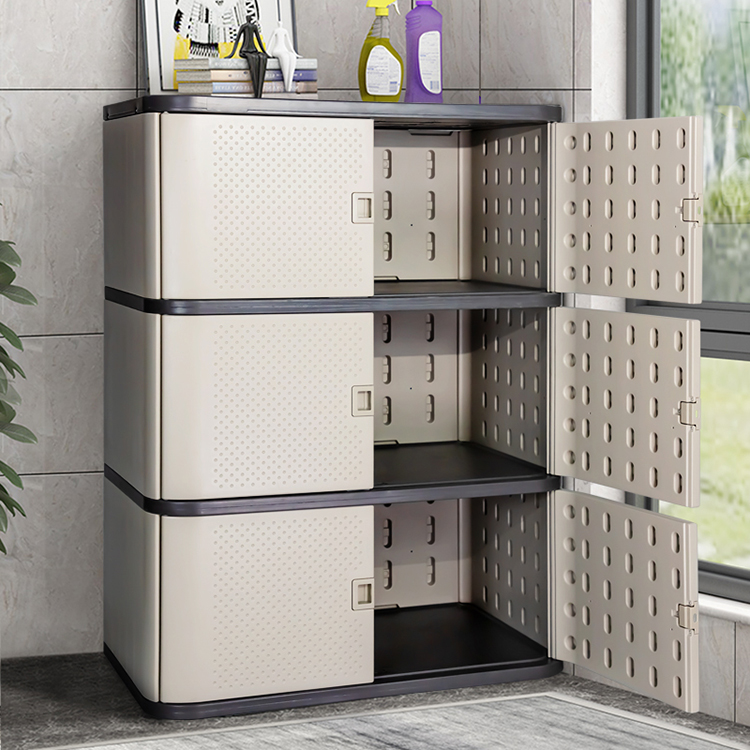
Hinges represent another key technical advantage most buyers overlook until it’s too late. We use high-strength nylon hinges that never rust and glide smoothly for tens of thousands of cycles. No squeaks. No binding. The door closes with a gentle, satisfying click instead of a facility-wide metallic bang. That quiet performance alone improves the entire work environment.
Locking systems adapt to every security need. Standard padlock hasps work for most employee or contractor lockers. Built-in combination or keyed locks suit higher-security areas like tool storage or IT equipment. Some OEM clients request electronic smart locks for executive or high-value zones. Heavy Duty Filing Cabinets Plastic variants often include the same robust locking options for document security.
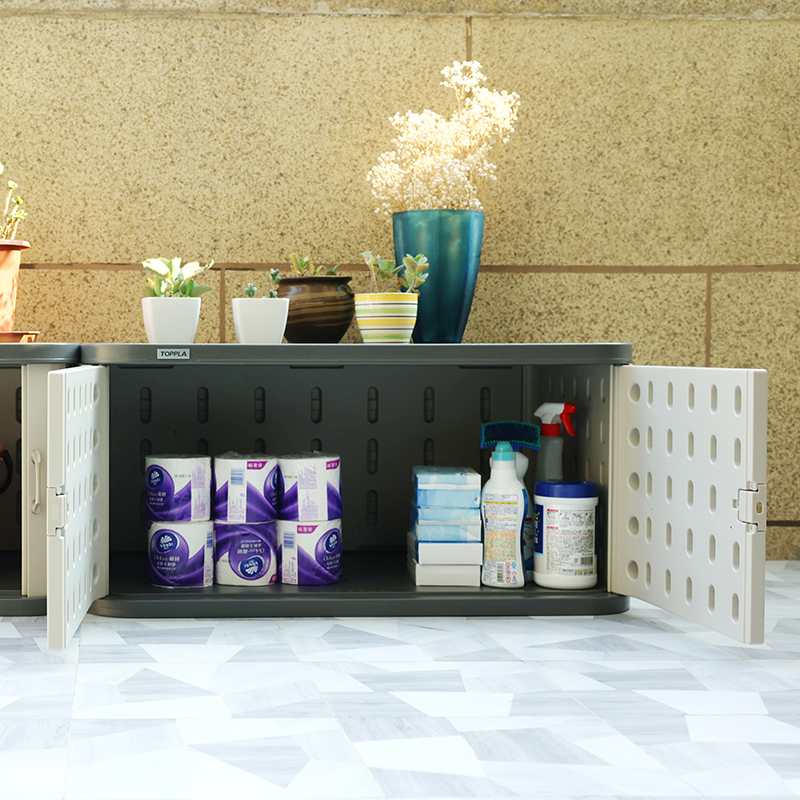
Ventilation is strategically molded into doors and sides so air circulates freely and gear dries quickly without trapping odors. Adjustable shelves and integrated hooks let users organize exactly as needed. Many configurations also include coat hooks, shelf dividers, and accessory compartments for maximum flexibility.
Compared with metal you eliminate all the painting, rust treatments, and frequent part replacements. Compared with wood you skip rot, swelling, and insect damage entirely. These Heavy Duty Plastic Lockers weigh roughly half of equivalent metal units, making installation easier for crews and saving importers significant shipping weight. Yet the smart internal ribbing and reinforcement patterns molded directly into the panels deliver strength that matches or exceeds heavier materials.
We test every batch hard—repeated impact testing, humidity chambers, load cycling, and real-world abuse simulations. The result? Lockers that keep looking good and performing reliably long after metal starts peeling and wood starts rotting. That reliability is why supply plastic locker buyers and plastic locker factory partners worldwide trust our Heavy Duty Plastic Lockers for their toughest applications.
How B2B Buyers Should Choose the Right Heavy Duty Plastic Lockers
Start by matching the locker to your end customer’s actual environment. Standard indoor industrial or warehouse use works great with core HDPE models that offer good ventilation. Wet areas like locker rooms or outdoor-covered zones demand full weather-resistant versions with sealed seams and extra UV protection. Heavy Duty Filing Cabinets Plastic options suit office-adjacent or light commercial document storage.
Next, get real about load and usage intensity. Ask what the heaviest items will be—tool bags, safety equipment, personal gear, or files. Quality Heavy Duty Plastic Lockers publish clear per-shelf capacities. Look for at least 40–75 pounds on reinforced models and always distribute weight evenly.
Door style affects daily workflow. Single-tier tall units suit full-shift workers with larger storage needs. Double-tier or triple-tier configurations maximize space in crowded facilities. Phone or small-item lockers often come in compact banks of 4, 6, or 8 compartments.
Customization separates average suppliers from true plastic locker factory leaders. As an OEM client or brand owner you want exact color matching to company branding, logo engraving options, and modular setups that mix heights, widths, and configurations. Importers especially value knock-down packaging that reduces container volume and landed costs dramatically.
Security level must match the risk profile. Basic padlock hasps handle most general employee storage. Higher-value tool or document areas need keyed or electronic systems with master key override for facilities staff.
Warranty and support reveal how confident the manufacturer really is. Top-tier plastic locker factory partners back their Heavy Duty Plastic Lockers with 15–20 year warranties on materials and construction. Always ask about replacement parts availability and technical installation assistance.
Finally, calculate total cost of ownership before committing to volume orders. Heavy Duty Plastic Lockers cost more upfront than cheap metal alternatives, but they deliver far lower maintenance, repair, and replacement expenses over a 15+ year lifespan. Smart B2B buyers always run those full lifecycle numbers.
Recommended Specs and Parameters for Different Applications
For typical industrial or warehouse settings I recommend Heavy Duty Plastic Lockers around 36 inches wide per column, 72 inches tall for full-size units, and 18–24 inches deep. Four or five adjustable shelves rated at minimum 50 pounds each. Doors at 32 mm thick with nylon hinges throughout. Lockable via padlock hasps or built-in combinations.
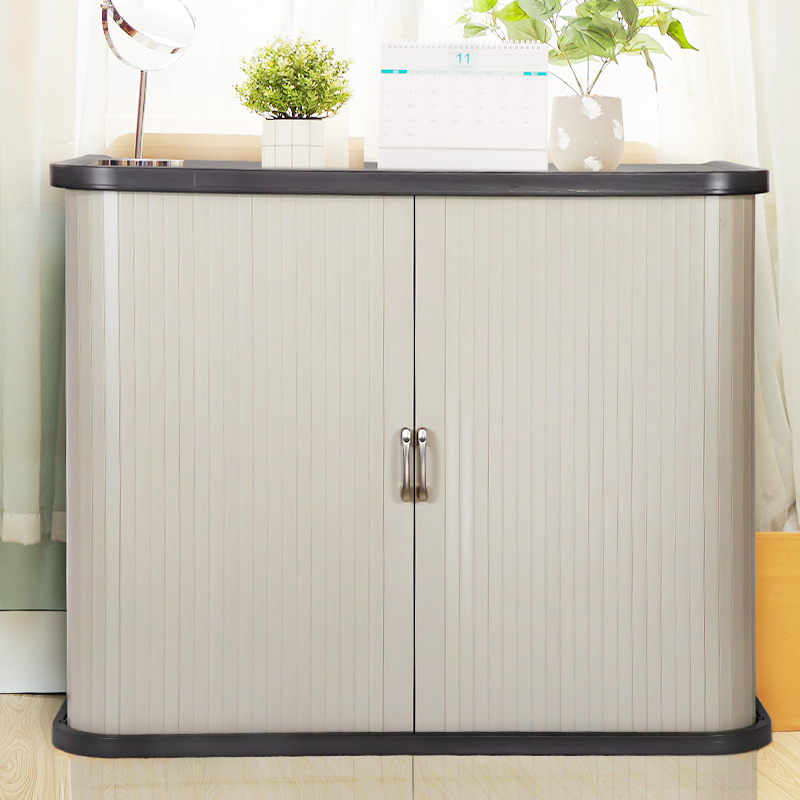
Heavy Duty Filing Cabinets Plastic variants for document or light office storage usually feature similar construction but with shallower depths and more shelf options. Compact models work well near workstations or in admin areas.
High-humidity locker room or gym applications need heavier specs: 22–30 mm panels everywhere, reinforced bases, and full waterproof sealing. Multiple-column banks that integrate with bench seating perform best in changing areas.
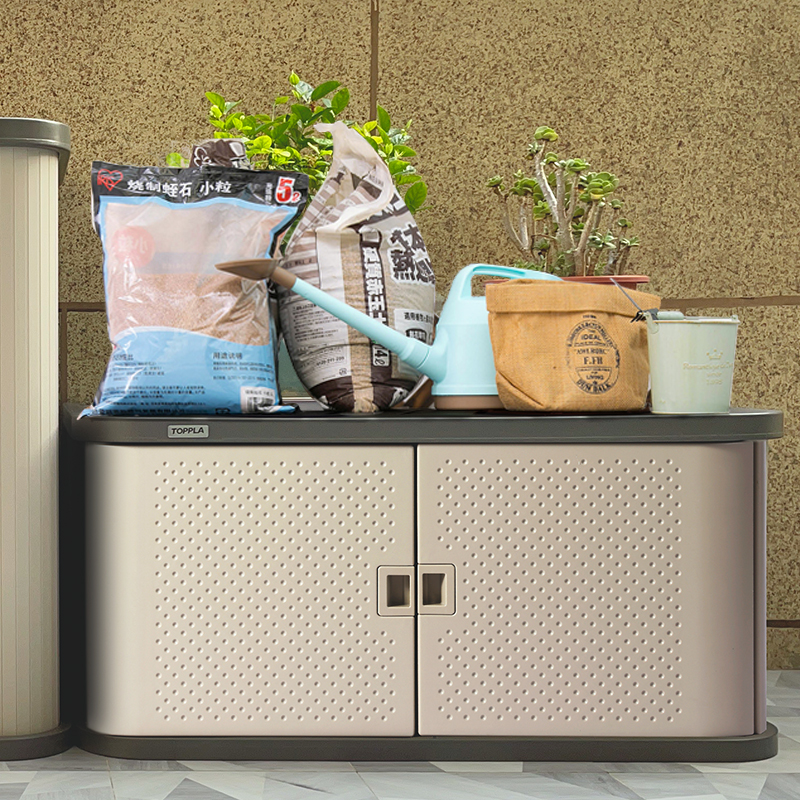
Construction or outdoor-exposed job sites benefit from extra UV protection and reinforced bases. Look for models with slight roof slopes or additional weather lips if fully exposed.
OEM and wholesale clients often mix configurations in single shipments—tall employee lockers, compact storage units, and Heavy Duty Filing Cabinets Plastic all knock-down in the same container. Always verify exact weight ratings, material certifications, and independent testing data the manufacturer provides. Reputable plastic locker factory suppliers publish precise dimensions and load limits so you can spec accurately for bids, tenders, and large projects.
Common Mistakes B2B Buyers Make When Sourcing Heavy Duty Plastic Lockers
The biggest trap I see is chasing the absolute lowest unit price without verifying material quality and construction details. Thin panels and weak hinges fail fast under real commercial loads. Always demand 20 mm+ side panels and 32 mm doors on any Heavy Duty Plastic Lockers you stock or supply.
Overlooking shipping and assembly logistics costs importers real money. Low-quality suppliers ship fully assembled units that waste container space and often arrive damaged. Quality plastic locker factory partners offer true knock-down designs with clear instructions and color-coded parts that two people can assemble quickly on site.
Ignoring future expansion needs leads to mismatched lockers later. Choose modular systems that let you add columns, tiers, or configurations as your customer’s workforce or facility grows instead of starting over with a different brand.
Selecting the wrong lock type creates daily headaches for end users. Combination locks sound convenient until workers forget codes repeatedly. Padlock hasps with master key options often prove more practical for large facilities.
Skipping accurate site measurements wastes time and money. Measure hallway widths, door clearances, floor space, and ceiling heights before ordering. Even one inch off can mean expensive field modifications.
Finally, don’t forget to confirm color consistency across large orders. Quality manufacturers use the same resin batch for entire shipments so every locker matches perfectly when installed side by side.
Wrapping It All Up
Heavy Duty Plastic Lockers turn noisy, high-maintenance commercial spaces and industrial facilities into organized, quiet, long-lasting storage solutions that serve workers and facilities teams for decades. They eliminate rust problems, reduce noise dramatically, slash ongoing maintenance costs, and deliver the technical performance real high-use environments demand every single day. Once you understand the actual scenes they solve, the pain points they remove, the selection details that matter for B2B success, the exact specs that fit different applications, and the mistakes that waste money, partnering with the right plastic locker factory becomes straightforward.
Stop fighting with failing metal lockers and constant repair bills. Work with a supplier who truly understands Heavy Duty Plastic Lockers and give your commercial and industrial customers storage they can count on shift after shift. Your business relationships and their operational efficiency will both come out ahead.
FAQs
1. Are Heavy Duty Plastic Lockers tough enough for daily industrial abuse?
Yes. HDPE construction with 20–32 mm panels and nylon hinges handles thousands of slams, heavy loads, and impacts without denting or rusting.
2. How do Heavy Duty Plastic Lockers compare to metal for long-term cost?
They win easily. Higher upfront cost but dramatically lower maintenance, no rust treatments, and 15–20 year service life make them cheaper overall.
3. Why do B2B importers prefer plastic locker factory suppliers like Toppla?
Knock-down shipping saves container space and freight. Full customization, strong warranties, and consistent quality across large orders simplify resale and installation.
4. Can Heavy Duty Plastic Lockers work in wet or outdoor areas?
Absolutely. Waterproof material, sealed seams, and UV protection keep them performing in locker rooms, wash stations, or covered outdoor environments.
5. How long do Heavy Duty Plastic Lockers typically last?
Most carry 15–20 year warranties and continue working reliably well beyond that with almost zero maintenance when installed correctly.