

What Is a Plastic Locker, Anyway?
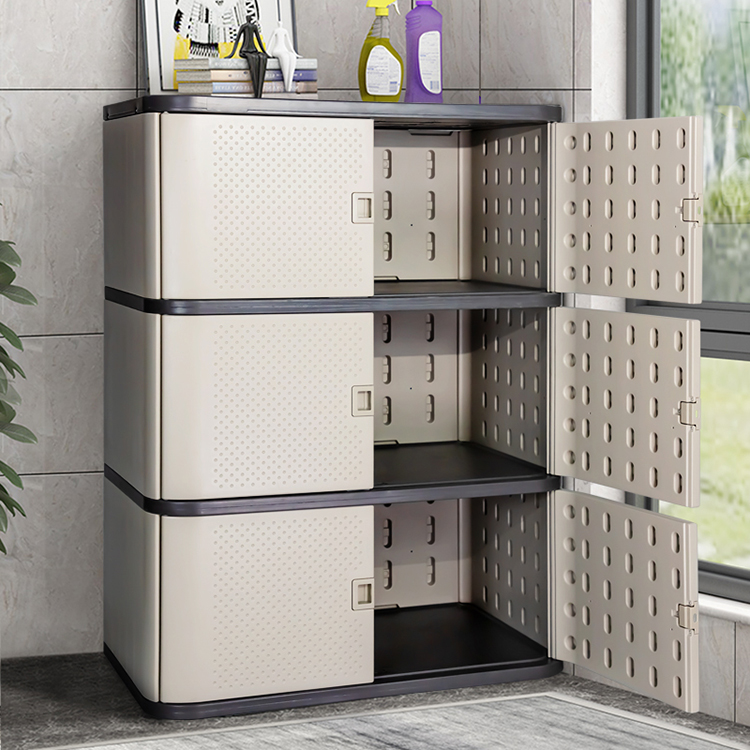
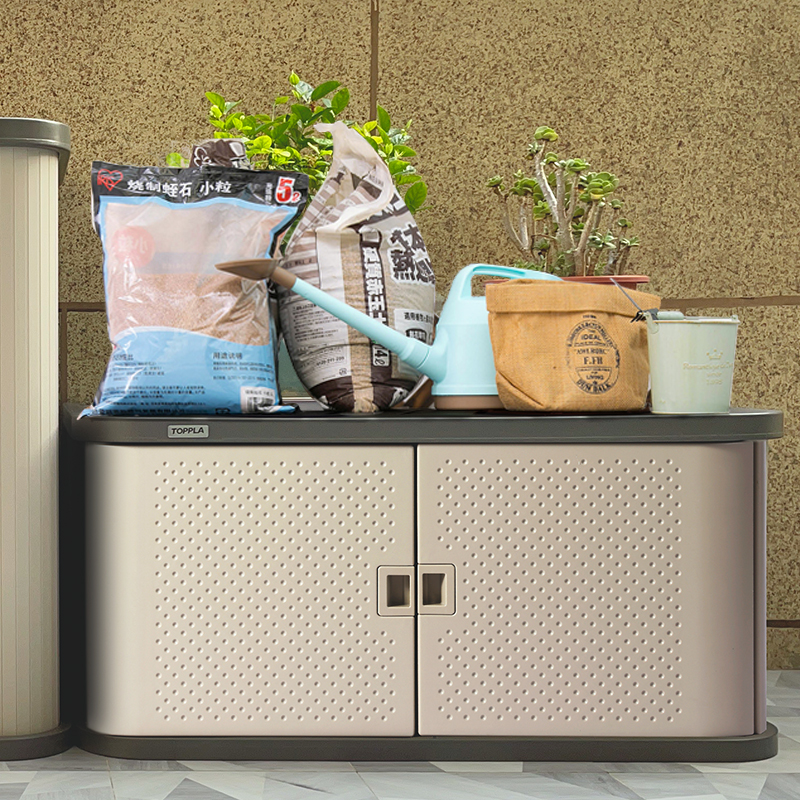
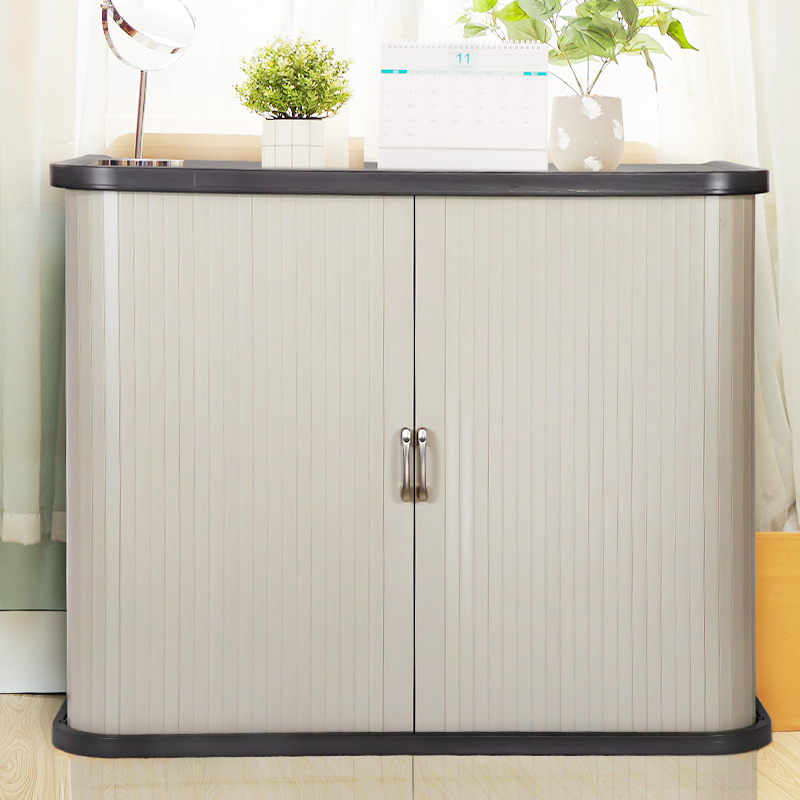
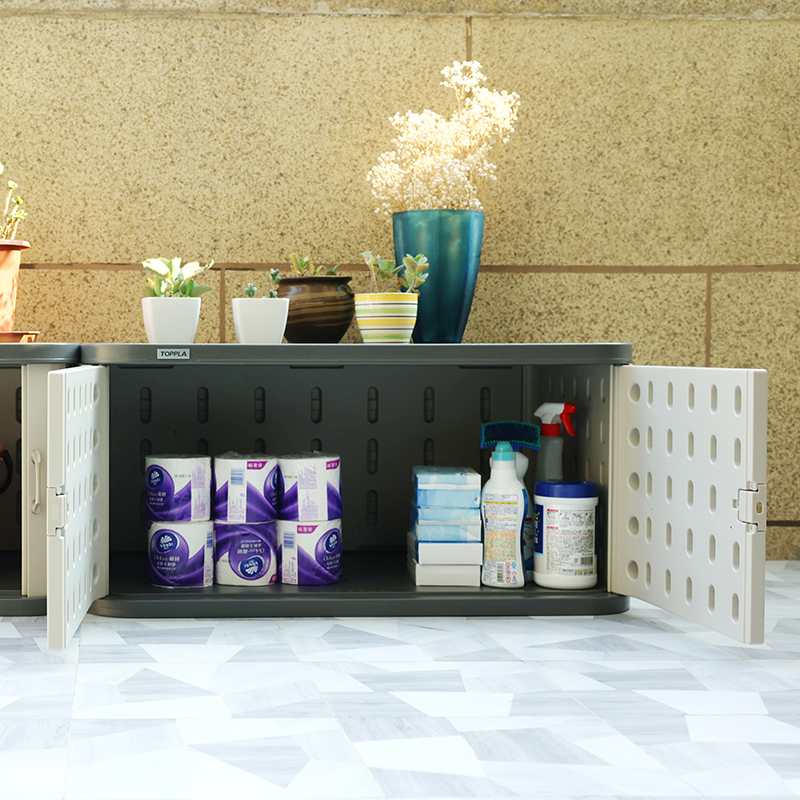
A plastic locker is a full storage cabinet built from solid high-density polyethylene—HDPE for short—instead of thin steel sheets or wooden panels. The material goes all the way through: sides, Plastic Locker Door, top, bottom, and base. No paint to chip. No layers to peel.
Our Heavy Duty Plastic Lockers feel substantial because the walls run thicker than most metal ones—22 mm on the sides and up to 32 mm on the doors. Hit them hard and they flex, then snap right back into shape. You get the strength you need without the weaknesses that show up after a couple of rough seasons.
We started making these because facility managers kept calling us with the same stories. Metal lockers rusted out in pool areas. Wood swelled up in humid gyms. Both needed fixes all the time. HDPE Plastic Lockers just refuse to play along with that cycle.
Real-World Scenes Where These Lockers Make a Difference
Schools and Busy Classrooms
Kids rush between classes. Doors get slammed. Backpacks scrape the sides. We supplied lockers to Suzhou Foreign Language School and Nantang Primary School, and the difference showed up fast. Metal units used to need repairs every few months—rust streaks, dents that never went away, graffiti that stuck for good.
With HDPE Plastic Lockers the scratches barely show because the color runs straight through the material. Doors close quiet on nylon hinges. Teachers report fewer maintenance calls in the first year. One primary school we worked with cut those visits by more than half after they replaced every metal locker.
Gyms, Pools, and Fitness Centers
Humidity rules here. Sweat, chlorine, wet floors. Metal starts corroding at the edges almost immediately. We installed Heavy Duty Plastic Lockers at Xiamen Swimming Pool and Hanyang River Beach Water Park. They stay dry inside even when the whole room feels like a steam bath. No rust. No mildew hiding in corners.
Members notice right away. Doors swing smooth. No cold, clammy metal feel. Staff wipe them down in seconds instead of scraping paint or fighting rust. One fitness center told us their maintenance costs dropped more than 50 percent in the first year alone.
Hospitals and Staff Changing Rooms
Doctors and nurses change scrubs multiple times a shift. Cleanliness matters more than anything. Heavy Duty Plastic Lockers resist bacteria buildup because the surface stays smooth and non-porous. We supplied Changshu Second People’s Hospital. The staff areas now stay cleaner with way less effort.
Industrial Sites and Mining Operations
Tools, helmets, safety gear—they take a beating every single day. Dust, moisture, rough hands. In Inner Mongolia mining areas our JX-480L units handle daily knocks without denting or corroding. The thick HDPE walls absorb impacts that would crumple steel.
Offices and Hybrid Workspaces
Employees stash laptops, coats, personal stuff. Quiet matters when people are trying to focus. Plastic Locker Doors close softly. No echoing metal bangs. We ship these to offices and factories weekly because they look professional year after year and need almost no upkeep.
The Real Pain Points Traditional Lockers Create
Metal lockers rust the moment moisture touches them. It starts at the bottom edges and spreads. Paint chips off. Dents stay forever. In coastal schools or indoor pools the damage speeds up fast.
Wood warps, swells, and eventually rots. It soaks up smells and grows mold. Cleaning becomes a full-time job.
Both types make noise. One slammed door and the whole room echoes. Over time that wears on everyone—kids, staff, patients.
Maintenance eats budgets. Repainting, replacing hinges, fighting rust. One mid-size company we helped switched their employee area and dropped those costs by more than half in year one.
Vandalism hits hard too. Graffiti sinks into metal or wood. HDPE surfaces wipe clean. Markers and spray paint do not penetrate.
Safety takes a hit when edges turn sharp from rust or doors start sticking. Heavy Duty Plastic Lockers keep smooth rounded edges and reliable operation for years.
How to Choose the Right Plastic Locker: Key Selection Points
First, look at your environment. Wet or humid all the time? HDPE Plastic Lockers win every time. Dry office space? They still beat metal on quiet operation and long life.
Next, check the material. Real HDPE gives you that flex-and-return memory. Cheaper plastics crack under impact. We only use solid high-density stuff with color mixed all the way through.
Door construction matters. Plastic Locker Doors need to feel solid. Ours use thicker panels and full-length nylon hinges that never rust. The latch runs the full height for real security.
Ventilation counts in some places. We add slots where air flow helps without cutting strength.
Security options fit your needs—padlock hasps, key locks, or even smart card systems. Schools usually go with simple tough padlock setups kids cannot beat easily.
Weight and install matter. These units weigh less than metal but feel just as sturdy once you anchor them to the wall or floor. Proper bolting stops any tipping, especially in taller setups.
Color and look affect the whole room. We offer bright tones that stay vibrant because the pigment goes deep. Schools pick energetic colors. Hospitals choose calm neutrals.
Finally, pick a real plastic locker manufacturers who actually test every batch. We check impact resistance and moisture performance before anything leaves the factory.
Specs and Parameters That Actually Matter for Your Project
Size should match daily use. Full-height single door units around 1800 mm tall work great for coats and gear in gyms. Two-tier or three-tier setups save space in schools.
Widths usually sit between 385 mm and 500 mm. Deeper 500 mm units give room for sports bags or mining helmets.
Thickness delivers real durability. We recommend doors at least 32 mm, sides 22 mm. These numbers come straight from years of testing in high-traffic spots.
Base sits 80 mm high so water drains away in pools or wet areas. Add a flat or sloped top plate if you want extra storage or a clean finished look.
Colors include solid shades and wood-grain effects. Every option keeps its appearance because scratches never expose a different layer underneath.
Lock options stay wide open. Standard padlocks, built-in keys, or electronic systems for modern facilities.
For heavy-duty jobs like mining we point to the JX-480L series—single door (excluding base) measures 480 x 500 x 920 mm, perfect for two-layer multiple-column setups.
In schools and offices the JX-400F classroom lockers or T-320 series give compact footprints with multiple tiers per column. Five-door columns stack nicely and combine any way you need.
Common Mistakes Buyers Make—and How to Skip Them
People often grab the cheapest option first. Low-grade plastic cracks fast. Spend a little more on true HDPE and you save for the next ten years.
Others ignore the environment. Putting standard units in a pool area guarantees trouble. Always match the material to the moisture level.
Some skip proper installation. These lockers need solid anchoring. Set them on uneven floors and you get wobbles and early wear.
Forgetting future growth hurts too. Buy modular units that stack or combine later. Our designs let you add sections without starting from scratch.
Focusing only on upfront price is another trap. Metal looks cheaper at first glance. Add up painting, rust repairs, and replacements over time. HDPE Plastic Lockers win on total ownership cost every single time.
Choosing thin doors creates problems. Weak Plastic Locker Doors flex too much and feel cheap. Insist on thick reinforced panels with strong hinges.
Wrapping It Up: Time to Make the Switch
Heavy Duty Plastic Lockers built from HDPE give busy facilities exactly what they need—zero rust, almost no maintenance, quiet doors, and looks that hold up year after year. Schools cut repair calls. Gyms stay hygienic. Factories keep workers organized and safe. Hospitals meet clean standards without extra work.
We see these units perform day in and day out as plastic locker manufacturers. You put them in once and basically forget about them for years.
Take a good look at your space. Match the specs to what actually happens there every day. Choose HDPE and you’ll wonder why you waited so long.
Meta Description (162 characters):Heavy Duty HDPE Plastic Lockers beat metal on rust, noise, and maintenance. Get real specs, selection tips, and case studies for schools, gyms, hospitals, and industrial sites from Toppla.
FAQ
1. Are Heavy Duty Plastic Lockers completely rust-proof?Yes. They use solid HDPE with no metal parts that corrode. Water beads up and wipes away instead of eating into the material.
2. How long can I expect Plastic Locker Doors to last?Normal daily use gives you 15 to 20 years or more. Thick panels and through-color material keep them looking fresh long after painted metal fades.
3. Can these lockers go outdoors?They handle sun, rain, and temperature swings fine when UV-stabilized. Many facilities place them in covered outdoor spots without issues.
4. Do you make custom sizes or colors?We do. As plastic locker manufacturers we build to order—different heights, widths, exact color matches, and smart-lock options.
5. What’s the easiest way to clean HDPE Plastic Lockers?Soap and water or a mild disinfectant works. The smooth surface resists stains so a quick wipe gets them looking new again.