

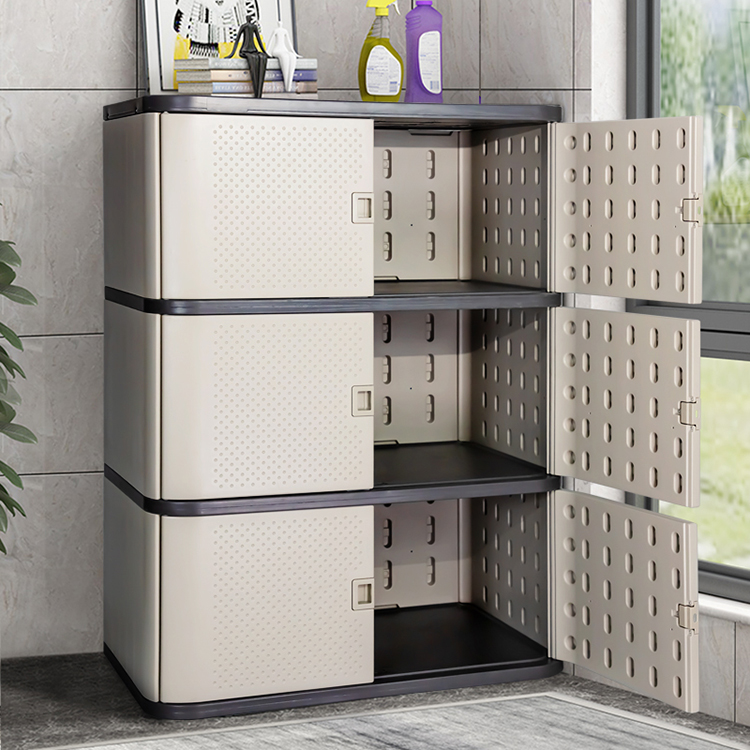
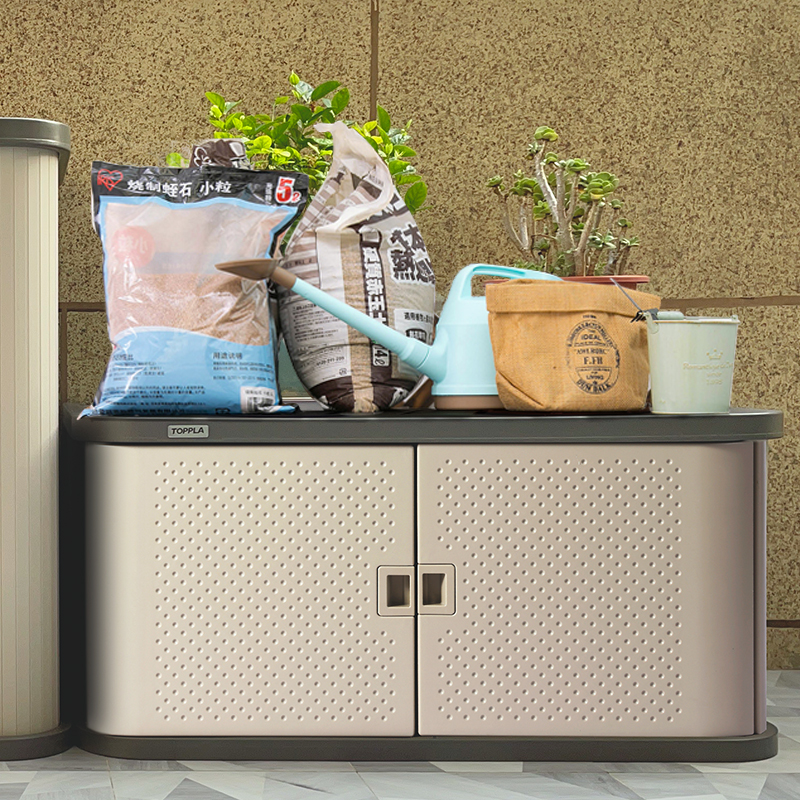
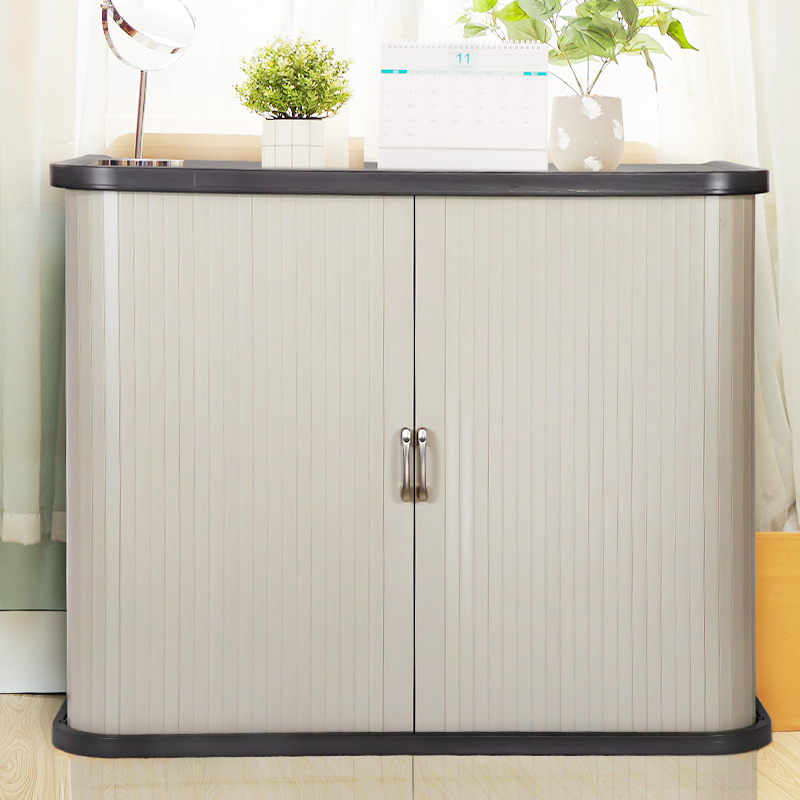
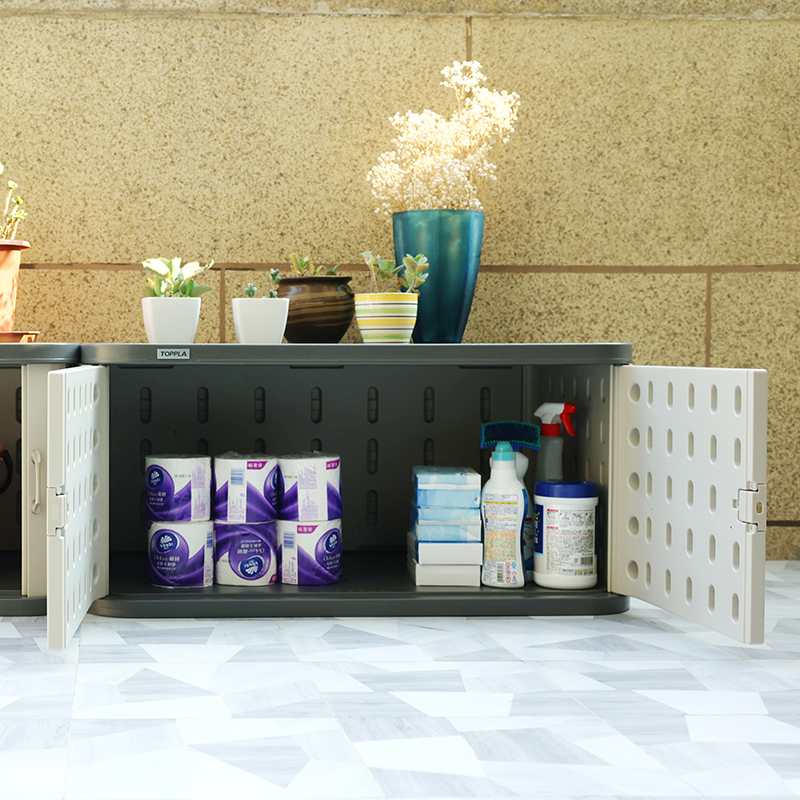
In today’s dynamic workplace, storage solutions must do more than simply hold items—they must reflect corporate values of efficiency, brand identity, and staff wellbeing. Whether your office is a traditional corporate building, a creative hub or a flexible co-working space, Office Lockers play a pivotal role. When well-designed and smartly chosen, they become an integral part of your furnishing strategy—customised, robust, and aligned with employee experience.
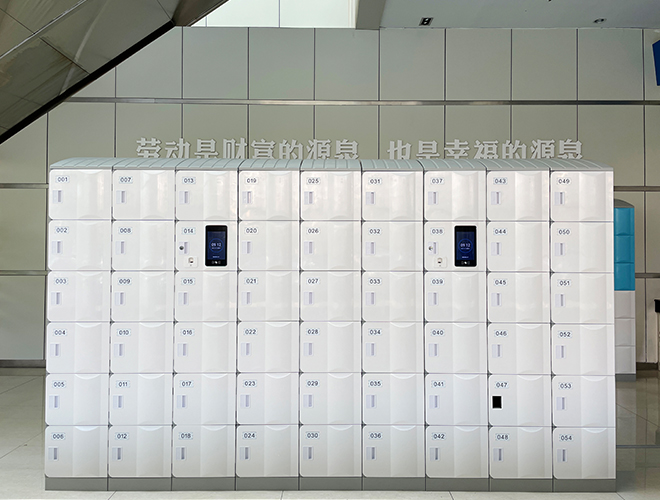
In this article, I’ll introduce the concept of office lockers, present their key technical advantages (especially when built with HDPE plastic), emphasise our professional credibility, and answer the key questions you—as a facility manager, office designer or purchasing decision-maker—are likely to ask. Let’s explore how investing in premium staff lockers for office environments ultimately delivers value, brand impact and operational efficiency.
What Is an Office Locker?
An Office Locker is a secure, personal storage compartment designed for employees, visitors or shared workspace users to store their belongings—such as bags, laptops, phones, jackets or personal items—during their time in the office. Unlike traditional lockers designed for industrial or school use, office lockers must blend utility with aesthetics, durability with quiet performance, and adaptability with brand-friendly design.
Office storage lockers support modern workplace trends:
They promote tidy, clutter-free environments and help maintain professional aesthetics. For example, one source notes: “Lockers help create a personal space to better organise personal and official belongings.”
They support flexible work models, like hot-desking and hybrid work, where staff may not have a dedicated desk and need secure storage.
In other words, when you consider office lockers for sale, you’re not only looking at furniture—they’re a strategic part of your workplace infrastructure.
Why Choose High-Performance Office Lockers: Technical Advantages
When you invest in premium Office Lockers (particularly those engineered from high-density plastics like HDPE), you unlock multiple operational and design advantages. The paragraph below explains our professional perspective and technical credentialing: we draw on 20+ years of materials engineering and mould design experience, meaning we know how to build storage systems that perform for a decade or more.
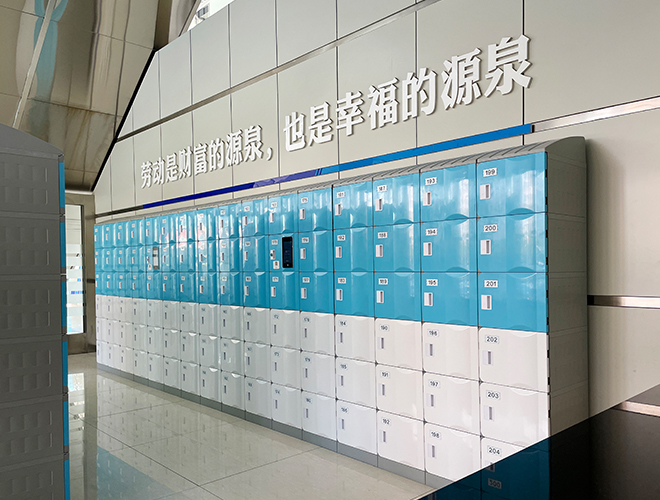
HDPE Material: Durability & Resilience
HDPE (High-Density Polyethylene) is a game-changer compared with steel or wood variants, particularly in demanding office settings. Here’s why:
HDPE resists rust, corrosion and moisture damage; for example, one article points out that HDPE lockers “do not rust or corrode even in high-moisture settings or outdoor environments.”
They resist dents, scratches and graffiti: “HDPE lockers absorb impact without denting or bending … This makes them especially suitable for unsupervised areas.”
Maintenance costs drop dramatically. One source states: “Durable and Low Maintenance: HDPE lockers are designed to resist damage, humidity, and chemical exposure, requiring little upkeep…”
They support sustainability agendas: many HDPE lockers are fully recyclable, align with corporate green policies and help reduce lifecycle costs.
In short, when you choose HDPE-based office furniture lockers, you’re choosing long-term performance, minimal maintenance, and a quieter, more premium experience for your staff.
Design Flexibility & Workplace Integration
Beyond material strength, the design and configuration of modern office lockers matters greatly:
Customisable colours, finishes and modular banks help the storage solution become part of your brand identity. One commentary highlights: “Locker doors can be personalised with the company colour scheme to reinforce the company’s brand and culture.”
Modular tiering and bank configurations enable you to match your floor plan, student/employee sizes or office layout changes (for example, when teams grow or move).
Quiet door mechanisms, smooth HDPE surfaces and ergonomic handles enhance the staff experience.
Integration of advanced locking systems (mechanical, digital, RFID) in office settings is increasingly expected. One industry piece states: “Office spaces are becoming more open and flexible… Day Use Lockers can include a variety of lock options along with a heavy-duty steel frame, but also now with touchless or smart lock systems.”
Hygiene, Maintenance & Long-Term Value
Modern workplaces emphasise cleanliness, hygiene and cost-efficiency. Premium office lockers support all of these:
The smooth HDPE surfaces are easier to clean and sterilize than porous or rust-prone steel. According to a manufacturer write-up: “HDPE plastic lockers are resistant to mould & bacteria, low maintenance costs…”
They eliminate rust-related issues in humid or conditioning-variable office zones (near HVAC zones, windows, etc).
Because they last longer and need less refurbishment, total cost of ownership is lower. A comparison article states: “Plastic lockers may cost more initially, but result in savings over the long term.”
Therefore, when you evaluate “office lockers for sale”, you should consider the long-term operational benefits—reduction in maintenance, fewer service calls, and a cleaner workplace aesthetic.
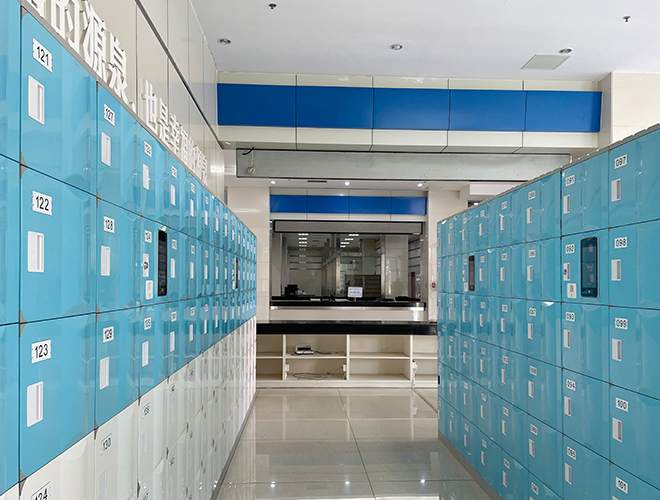
From the Consumer Perspective: Key Questions & Answers
If I were a purchasing manager or facilities lead, I’d ask these questions before selecting an office locker system. Here are succinct answers aligned with modern expert guidance.
Q: Really, is it worth investing in premium staff lockers for office use rather than cheaper metal ones?
A: Yes. Premium systems built with HDPE provide greater durability, less maintenance, better aesthetics and better user-experience. The extra upfront cost pays off in longer life and lower repair/replacement costs.
Q: How can lockers support flexible work models and remote/hybrid staff?
A: They provide secure personal storage even when staff don’t have permanent desks. Modern “office storage lockers” banks support hot-desking, shared workspaces or rotating teams. As one article said: “Office lockers fit the needs of flexible workplaces by providing modular storage options and tech-ready locks.”
Q: What about the appearance and brand alignment? I want it to look good in our corporate space.
A: Look for lockers that offer custom colours, finishes, modular configurations and quiet operation so they merge into your branded interior. Experts note: “Locker doors can be personalised with the company colour scheme… enhancing the design and mood of the workspace.”
Q: How about maintenance and hygiene—especially in common areas?
A: Premium locker systems make cleaning easier, reduce rust/mold concerns, and minimise downtime. One source emphasises: “The low-maintenance plastic lockers can withstand heavy impacts and are resistant to rust, corrosion, scratches…”
Q: How do I choose size, tiering and locking options?
A: Align configuration with your users (staff, visitors, remote workers), usage (devices, bags, jackets) and space layout. Choose lockers with variable tier models, locking systems that match your security policy, and modular banks to allow future scalability.
Q: What about environmental/sustainability credentials?
A: HDPE plastic lockers offer recyclability, longer life and less frequent replacement—helping meet sustainability goals. One article states: “HDPE lockers are … the most sustainable alternative due to their longevity and low-maintenance costs.”
How to Evaluate & Specify Your Office Locker System
Here’s a practical checklist to guide your selection process for office lockers for sale or office storage solutions:
Define Your Requirements
Who uses the locker (staff, visitors, shared workers)?
What do they store (devices, bags, coats, personal items)?
What is the available space (floor area, wall banks, open zones)?
What environment (near windows, humid zones, receptions, quiet zones)?
Material & Build Quality
Prefer solid HDPE construction (not thin laminate or veneer).
Confirm impact/dent resistance, UV stability, rust/mold resistance.
Review warranty or manufacturer credentials for durability (e.g., many HDPE systems offer 15-25 year warranty).
Design & Customisation
Tiering: single, two-tier or more depending on user height and storage needs.
Doors & handles: silent operation, ergonomic design.
Locking systems: mechanical, digital, RFID—align with your access policy.
Color options and branding integration.
Additional features: ventilation, hooks/shelves, integrated power/charging (in modern offices).
Installation & Flexibility
Modular banks for easier installation and future reconfiguration.
Lightweight construction (HDPE) reduces structural load and installation complexity.
Check lead times, assembly requirements, and service access.
Maintenance & Lifecycle Cost
Estimate cleaning, repair, repainting replacement costs for metal vs HDPE.
Choose materials that minimise downtime and maximise lifespan.
Confirm ease of replacement parts, modular repair rather than full replacement.
Vendor & Credibility
Look for suppliers with proven experience in office locker solutions and HDPE manufacturing.
Request case studies, user references, warranty and maintenance records.
Verify specification compliance: material certification, acoustic/impact testing, ergonomic design.
Budget & ROI
Don’t simply compare upfront cost—compare total cost of ownership (installation + maintenance + lifespan).
Factor in benefits such as improved staff satisfaction, less disruption, brand fit, and lower long-term maintenance.
Real-World Impacts: Benefits for Offices
Replacing older metal storage cabinets or neglecting personal storage altogether can negatively affect staff productivity, office clutter, and brand perception. Upgrading to high-quality office lockers pays dividends:
Enhanced staff experience: Personalised, secure lockers support employee morale and sense of belonging. A source notes: “Employees feel more connected with one another as they share a commonplace on the premises to store their belongings.”
Cleaner, smarter workspace: Lockers encourage tidy desks, reduce clutter and help maintain open-plan layouts. “Cleaner environments and tidier workspaces boost your employees’ efficiency.”
Operational agility: Modular, mobile locker systems allow for agile workspace layouts and hot-desking scenarios.
Reduced maintenance headache: HDPE construction means fewer service calls, less rust or dent damage, and minimal downtime.
Brand alignment & professional look: Matching locker design to corporate palette and finishes adds to workplace cohesion—and reflects modern workplace design thinking.
Why Choose Our Office Locker Solution (Based on Toppla)
As the operator behind this product line, I want to share why our Office Locker solution stands out in the market:
We use 100% original HDPE material, not a veneer or laminate over metal. This means real durability, moisture‐resistance, and long service life.
Our design supports modular configurations, multiple lock options (mechanical, electronic, RFID) and diverse finishes—so you can tailor to your staff, space and brand.
We meld two decades of plastic moulding and injection-forming experience with ISO standard manufacturing—to deliver a system you can trust.
We emphasise maintenance-friendly and user-friendly design: quieter operation, easy cleaning surfaces, and design that enhances the workspace without distracting from it.
Our product is built for real offices—not just school corridors or rugged industrial zones. That means quiet hinges, refined finishes, and aesthetic flexibility.
In short: we align technical excellence with user experience and operational realities.
Conclusion
In the evolving world of workplace design—where flexibility, branding and employee experience dominate—your storage solutions matter. Choosing high-quality Office Lockers, especially those engineered with HDPE plastic and modern design principles, is a strategic move. These lockers deliver durability, style, operational efficiency and user satisfaction all in one package.
Whether you’re exploring “staff lockers for office”, seeking “office furniture lockers” that match your interior, or comparing “office lockers for sale” in terms of total value—focus on build quality, design flexibility, material performance and vendor credibility. Your investment will pay off not only in lower maintenance and longer life, but in better staff experience, clearer workspace and stronger brand alignment.
When you treat your storage as part of the workplace narrative, rather than an afterthought, you create a workspace that works—for your people, culture and operations.