

What Is a Smart Locker
A Smart Locker is not just a locker with a digital lock. It’s a connected storage system that combines hardware and software.
In simple terms:
The locker stores items
The system manages access
The software tracks everything
Unlike traditional lockers, smart lockers remove the need for physical keys and manual tracking. Users access compartments using PIN codes, RFID cards, QR codes, or mobile apps .
Behind the scenes, the system records:
Who accessed the locker
When it was opened
How long it was used
That level of visibility changes how storage works in high-traffic environments.
Where Smart Lockers Are Actually Used
Modern Offices and Hybrid Workspaces
Offices no longer assign fixed desks to every employee.
A Smart Locker allows:
Flexible storage for rotating staff
Temporary locker assignment
Clean, shared workspaces
Systems can automatically assign and release lockers based on usage.
Logistics and Parcel Management
Package volume has increased sharply in recent years.
Smart lockers solve a common issue:
Couriers drop items without staff involvement
Users receive notifications
Pickup happens anytime
Many systems include automated notifications and tracking features to streamline deliveries .
Warehouses and Industrial Environments
In industrial settings, lockers are used to manage:
Tools
Devices
Work equipment
A Smart Locker system ensures accountability by tracking access and usage.
Retail and Click-and-Collect
Retailers use lockers for:
Order pickup
Returns
Self-service access
This reduces staffing needs and improves customer experience.
Education and Public Spaces
Schools and universities adopt smart lockers for:
Student storage
Device management
Temporary access control
Common Problems Without Smart Locker Systems
Key Management Becomes a Burden
Traditional lockers rely on keys or codes.
At scale, this leads to:
Lost keys
Replacements
Security gaps
No Visibility or Tracking
Without digital systems:
No usage history
No accountability
No data for optimization
Underutilized Storage Space
Some lockers stay unused while others are constantly occupied.
Manual systems cannot balance usage efficiently.
High Labor Dependency
Staff often manage:
Locker assignments
Access control
Issue resolution
This increases operational cost.
Why Smart Lockers Solve These Problems
1. Keyless Access
Users access lockers via:
Mobile apps
PIN codes
RFID cards
No physical key management needed.
2. Real-Time Monitoring
Administrators can:
Check locker status
Open lockers remotely
Monitor usage
Smart systems provide full visibility over operations .
3. Automated Workflow
For example:
Delivery arrives → system assigns locker
User receives notification
Locker opens on demand
No manual involvement required.
4. Data and Reporting
Systems track:
Usage frequency
Occupancy rates
Access logs
This helps optimize space and operations.
5. Scalability
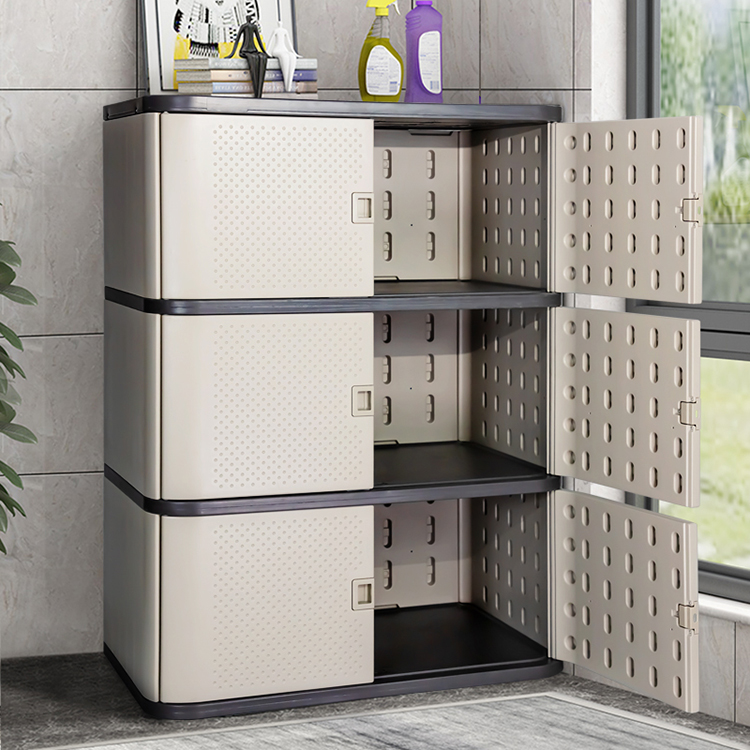
Most systems use modular plastic locker cabinet designs that expand easily as demand grows.
Technical Features That Actually Matter
1. Hardware + Software Integration
A true Smart Locker is not just hardware.
It combines:
Locker structure
Electronic locks
Cloud-based software
2. Access Control Methods
Common options include:
PIN code
RFID
QR code
Mobile app
Biometric access
These methods improve both convenience and security.
3. Modular Locker Design
Systems should allow:
Multiple compartment sizes
Expansion over time
Flexible layouts
4. Material Selection
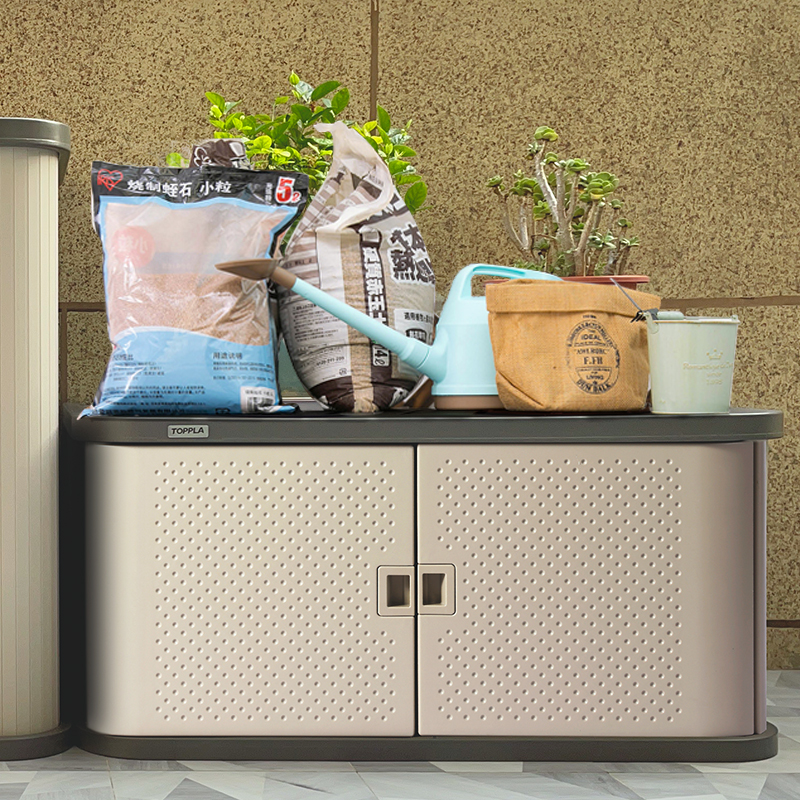
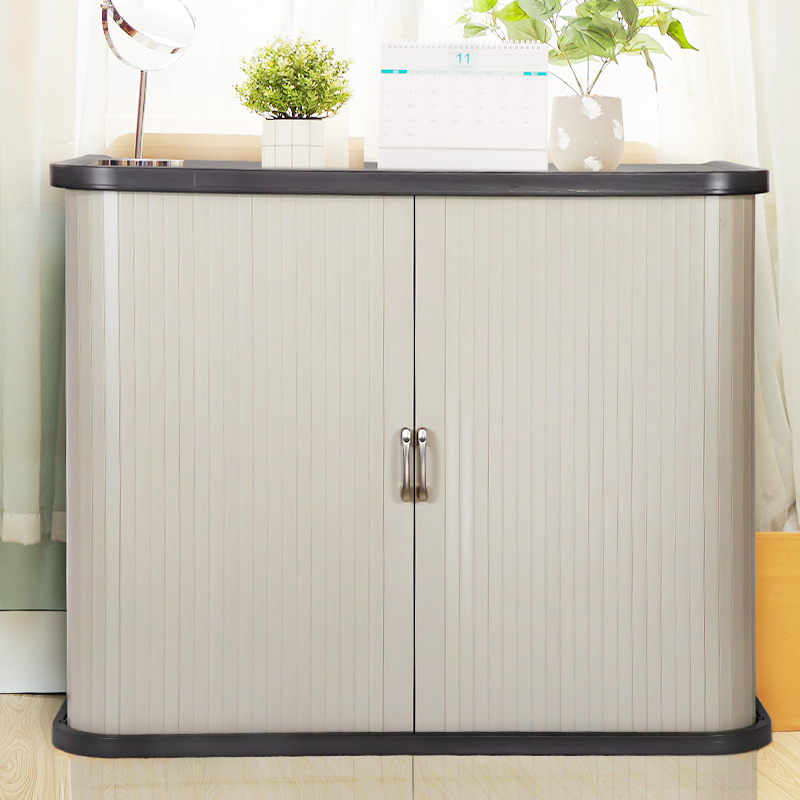
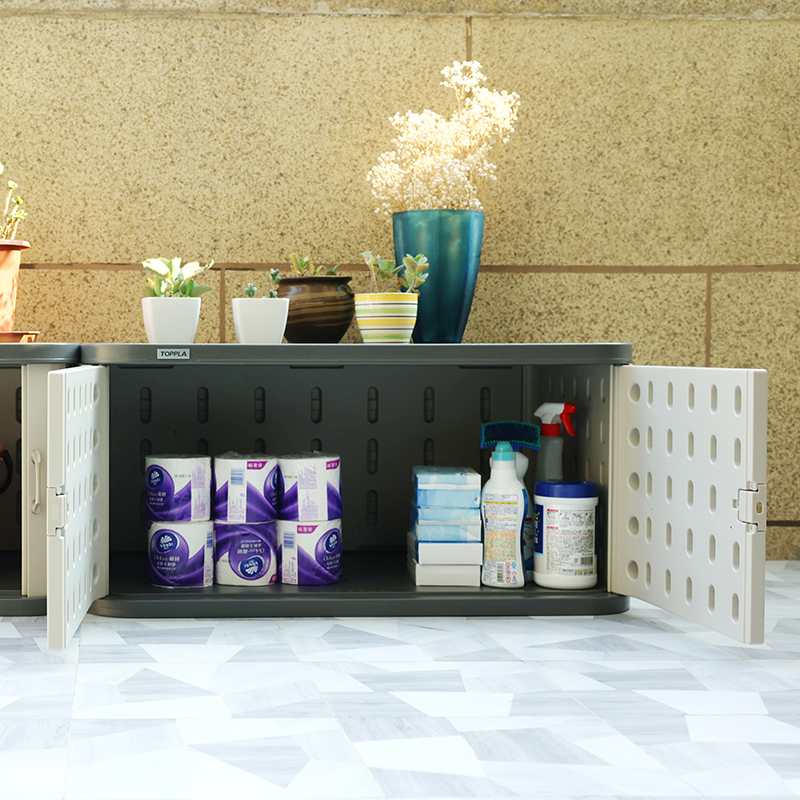
Many projects combine smart systems with HDPE Plastic Locker structures because:
They resist moisture
They require less maintenance
They perform well in high-use environments
5. Real-Time Tracking and Logging
Every interaction is recorded:
Access time
User identity
Locker usage
This improves accountability.
6. Remote Control Capability
Admins can:
Unlock compartments remotely
Assign lockers
Monitor system performance
How to Choose the Right Smart Locker System
Start With Use Case
Different scenarios require different setups:
Office → flexible assignment
Parcel → delivery automation
Industrial → asset tracking
Evaluate Software First
Hardware is visible. Software is where most value comes from.
Look for:
Easy interface
Reliable cloud system
Integration capability
Check Access Methods
Choose methods that match users:
Office → app or RFID
Public → QR or PIN
Industrial → badge or biometric
Consider Material and Structure
Combine smart systems with durable materials like HDPE Plastic Locker for long-term use.
Review Supplier Capability
Experienced plastic locker manufacturers should offer:
Custom configurations
Software support
System integration
Common Mistakes Buyers Make
Focusing Only on Hardware
Smart lockers depend heavily on software.
Ignoring User Experience
Complicated systems reduce adoption.
Overlooking Integration Needs
Systems may need to connect with:
HR systems
building management
logistics platforms
Choosing Non-Scalable Systems
As usage grows, systems should expand easily.
Underestimating Maintenance
Even smart systems require:
Software updates
Hardware checks
Why Smart Lockers Are Becoming Standard
Work environments are changing.
People expect:
Fast access
No waiting
No manual processes
A Smart Locker provides:
24/7 self-service access
Reduced operational cost
Better asset control
Improved user experience
That’s why adoption is increasing across industries.
Conclusion
A Smart Locker is not just a storage upgrade—it’s an operational tool.
When implemented correctly, it removes friction:
No keys
No manual tracking
No unnecessary delays
The key is to focus on real usage, not just features. A system that fits your workflow will quietly improve efficiency every day.
FAQ
1. What is a Smart Locker system?
It is a connected storage system that uses digital access and software to manage lockers.
2. How do users access Smart Lockers?
Through PIN codes, RFID cards, QR codes, or mobile apps.
3. Are Smart Lockers better than traditional lockers?
They provide better control, tracking, and flexibility, especially in high-use environments.
4. Can Smart Lockers integrate with other systems?
Yes, many systems integrate with software platforms like HR or logistics systems.
5. What materials are best for Smart Lockers?
Durable materials like HDPE Plastic Locker structures are commonly used for long-term performance.
Final Summary
A well-designed Smart Locker system combines durable hardware with intelligent software to create efficient, secure, and scalable storage. When aligned with real operational needs, it becomes a long-term solution rather than just a product.