

Barry is the head of maintenance at a high school just like yours. Every Monday morning, he starts his week with a walk-through. And every Monday, he finds the same things: a locker door hanging off its hinge, another one jammed shut with a broken lock, and a fresh patch of graffiti on the third-floor bank. The faint, metallic smell of rust is just part of the hallway's atmosphere.
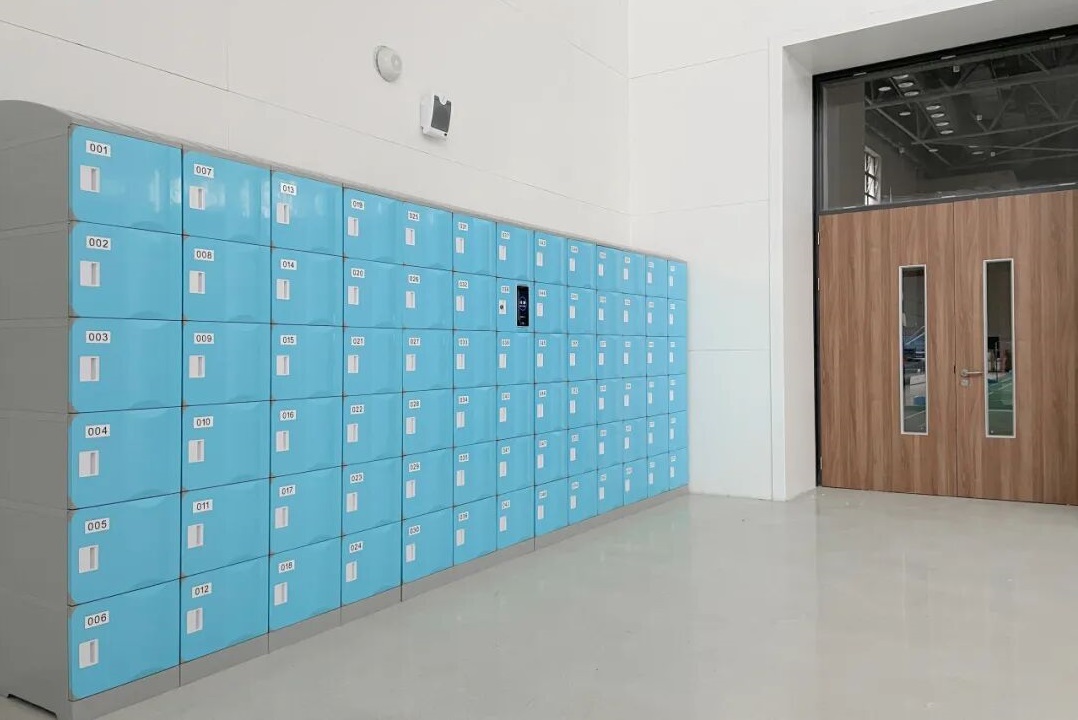
For Barry, this isn't just an annoyance. It's a never-ending cycle of patching, painting, and pleading with his budget for replacement parts. Sound familiar?
You, as a school leader or facility manager, see the bigger picture. You see the line items in the budget for maintenance. You hear the complaints from students about their belongings. You notice the chaotic "CLANG!" of hundreds of metal doors that punctuates the end of every class period.
For decades, we've just accepted this as the cost of having lockers. But what if I told you it doesn't have to be this way? What if the endless cycle of repair isn't a cost, but a choice? And what if there's a much, much smarter one?
The Real Enemy: Not Wear and Tear, but Material Choice
The problem isn't your students being too rough. The problem isn't Barry's team not working hard enough. The problem is baked right into the material we've been using for a century: sheet metal.
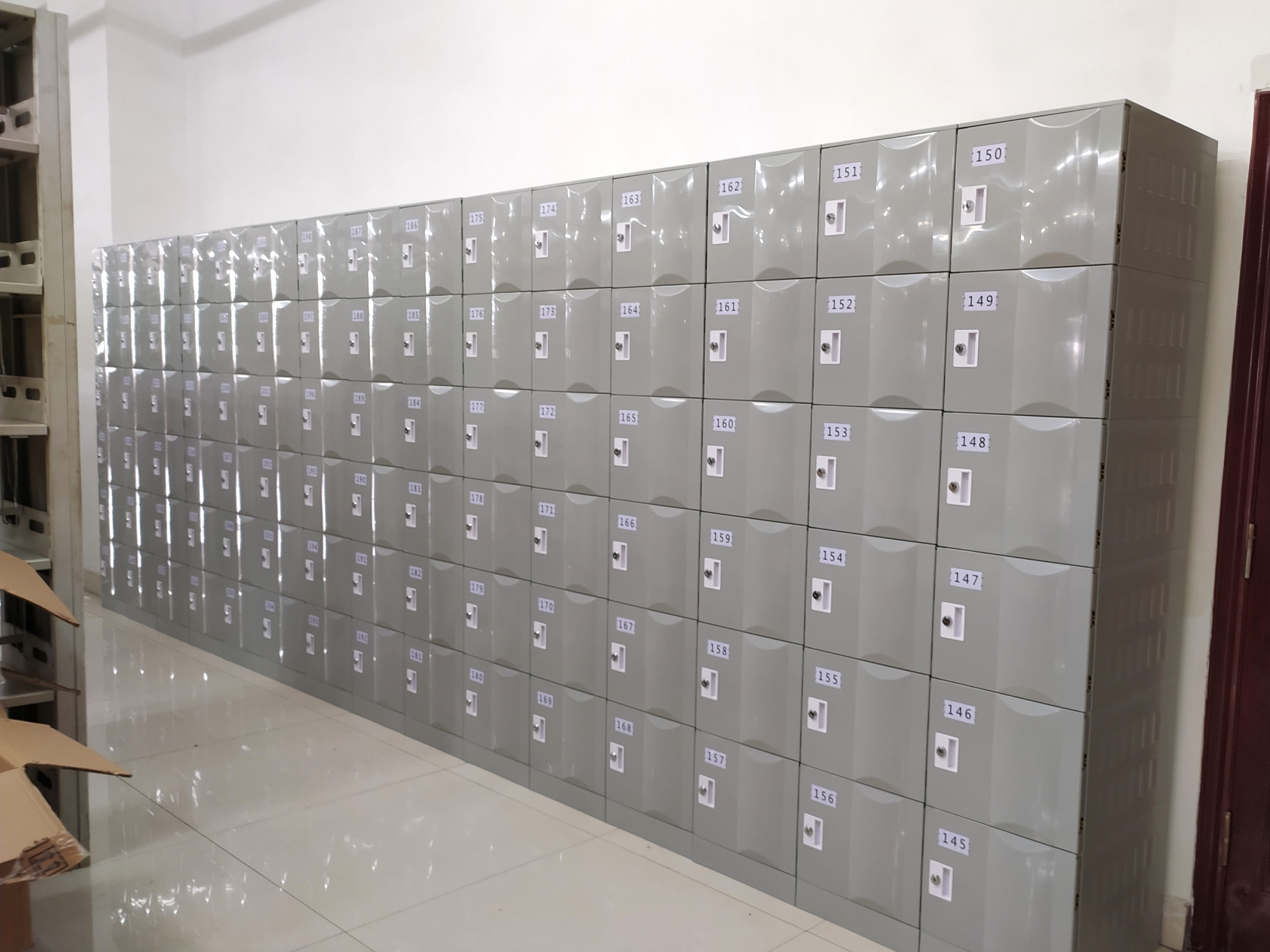
Metal is strong, but it has three fatal flaws in a school environment:
1. It Dents. Every impact leaves a permanent mark, weakening the door and creating an eyesore.
2. It Rusts. Moisture—from a spilled water bottle, a wet coat, or just the humidity in the air—is its kryptonite. Rust creates structural failures and hygiene nightmares.
3. It's Loud. Metal on metal creates noise. There's no way around it.
We've been throwing good money after bad, trying to patch up problems that are inherent to the material itself. It's like trying to fix a leaky bucket with tape. Sooner or later, you need a new bucket.
Imagine This for a Moment...
What if your lockers were a one-time investment for the next twenty years?
What if they were completely silent?
What if you could clean off permanent marker with a simple wipe?
What if they were impossible to dent and would never, ever rust?
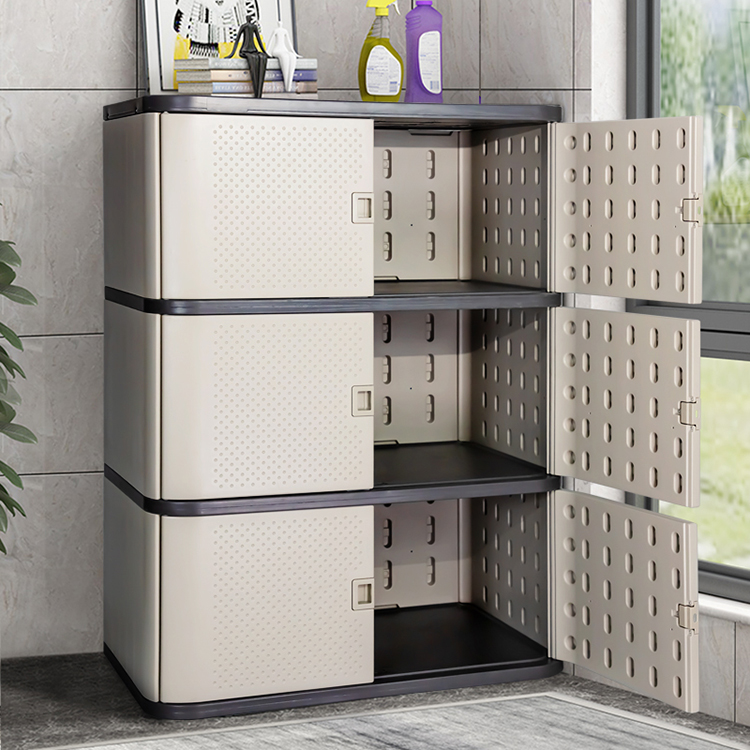
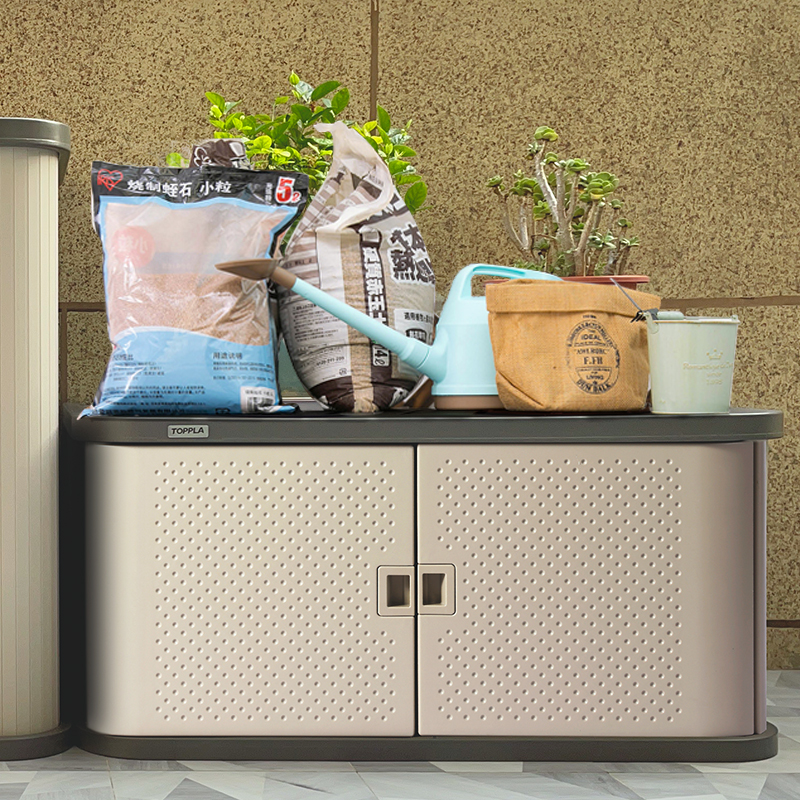
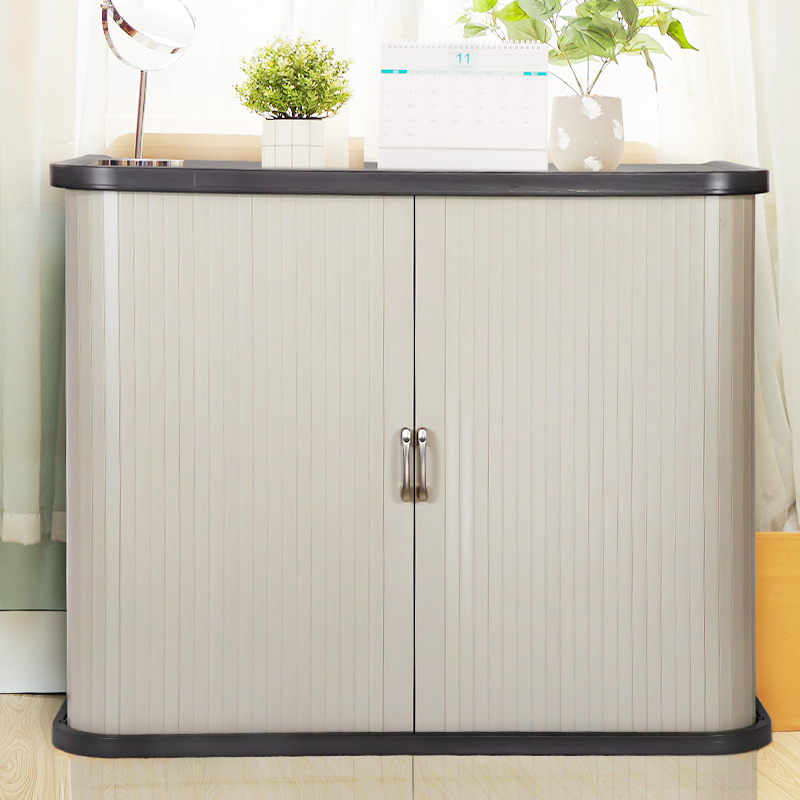
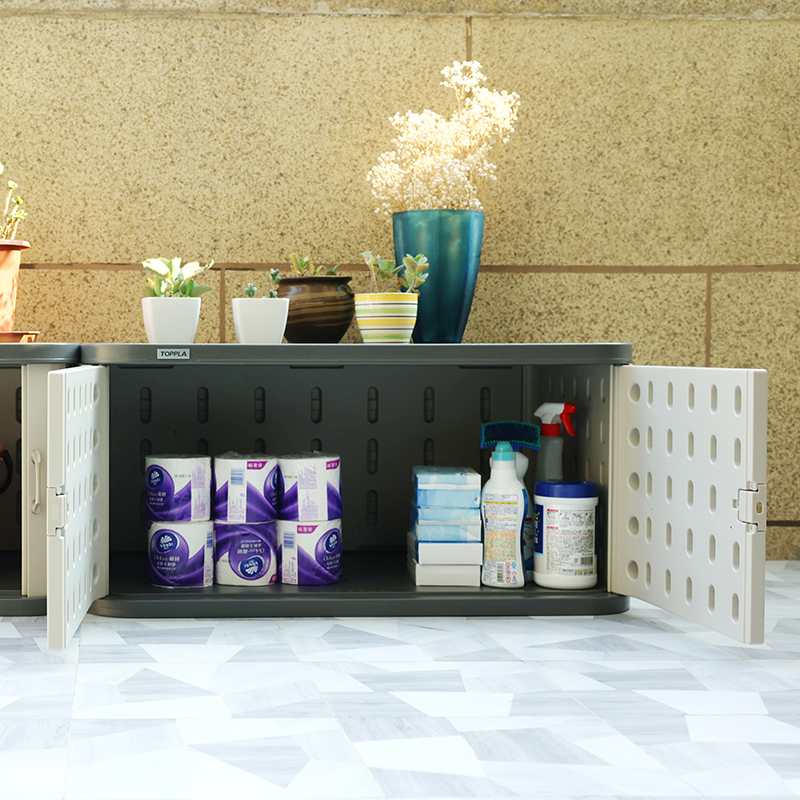
This isn't a fantasy. This is what happens when you change the material. This is the Toppla HDPE (High-Density Polyethylene) reality.
Forget thinking of it as "plastic." That word brings to mind flimsy toys. Think of HDPE as an advanced engineering polymer. It's the same category of material used to build chemical storage tanks, high-performance boat hulls, and playgrounds—things that need to withstand extreme abuse and weather for decades.
At Toppla, we use a process called rotational molding to form each locker from a single, seamless piece of this incredible material. Here’s what that actually means for you, your school, and your budget.
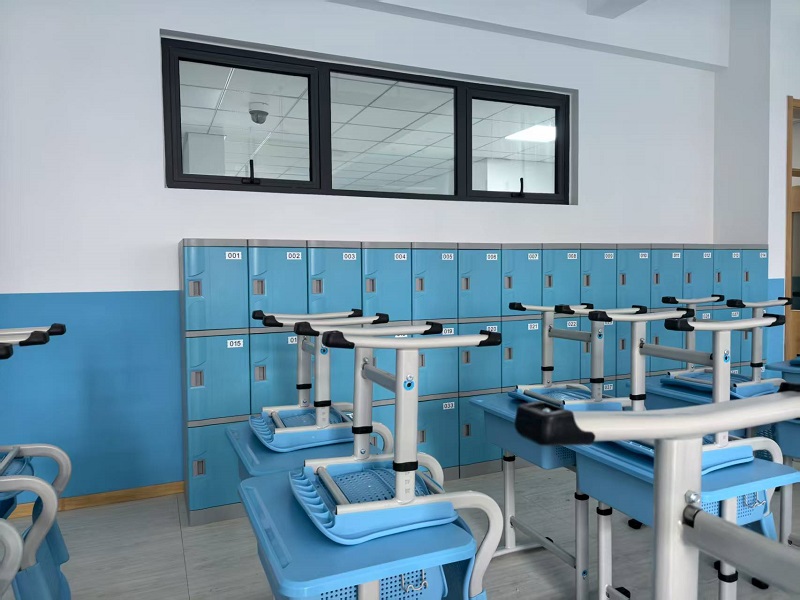
Outcome #1: You Reclaim Your Maintenance Budget
This is the big one. When you install Toppla HDPE lockers, you virtually eliminate your locker maintenance budget overnight.
· No More Rust: It's chemically impossible for HDPE to rust. Place them in a humid pool area or power-wash them daily. It makes no difference. The war on rust is over, and you've won.
· No More Dents: Give an HDPE locker door a hard kick or a whack with a backpack. It will flex and absorb the impact, then return to its original shape. The ugly, permanent dents of metal are a thing of the past.
· No More Painting: The color is part of the material itself, all the way through. There's no paint to chip, scratch, or peel. The vibrant color you install on day one will be there on day 5,000.
Suddenly, Barry and his team aren't spending their weeks on locker triage. They're free to focus on more important preventative maintenance across the campus. And you're free to allocate that budget to educational resources.
Outcome #2: You Transform Your School's Atmosphere
The change is something you can feel and hear.
· From Chaos to Calm: The jarring metallic crash is replaced by a soft, solid thud. When hundreds of doors close at once, this difference is profound. It lowers the overall stress level in your hallways and reduces disruptions to adjacent classrooms.
· A Canvas for School Pride: With over a dozen color choices, lockers stop being an eyesore and start being a design feature. Use school colors to boost pride, or color-code hallways to help students navigate. A bright, clean locker area sends a powerful message to students, staff, and visiting parents: "We care about your environment."
Outcome #3: A New Standard for Student Safety
We know student safety is non-negotiable. Our design reflects that.
· No Sharp Edges: The rotational molding process creates naturally rounded, smooth corners. You eliminate the risk of cuts and scrapes from the sharp edges that inevitably form on damaged metal lockers.
· Hygienically Superior: The non-porous surface of HDPE is easy to clean and disinfect. It won't harbor bacteria and mold the way rusted, porous metal can, making for a healthier environment for everyone.
Tackling Today's Challenges: The Classroom Phone Dilemma
Let's talk about a very modern problem: smartphones in the classroom. A "phones away" policy is a great idea, but where do they go? Piled in a basket? Left in a backpack where they still buzz and distract?
This is where a dedicated bank of Phone lockers for schools becomes an essential teaching tool. Our smaller-format lockers are the perfect fit for this. These secure Cell phone lockers for classroom allow a teacher to have every student store their device at the start of class. It’s a simple, non-confrontational system that removes temptation and restores focus. It's a small change that can have a massive impact on learning. And because they’re made of HDPE, they’re quiet enough to be used inside the classroom without causing a disruption.
This is a critical solution, especially in dynamic middle schools where digital distractions are at their peak. It's also an elegant addition for specialized programs requiring academy lockers with unique security needs.
Let's Be Frank: Your Burning Questions
"Okay, but what's the catch? They must be more expensive upfront."
They can be, slightly more than the cheapest, thinnest metal lockers. But this is a classic case of "price vs. cost." The upfront price is what you pay once. The total cost of a metal locker includes decades of repairs, labor, and eventual replacement. Over their 20-year lifespan, Toppla lockers are overwhelmingly the more economical choice.
"Are they truly secure? Can't they be easily broken into?"
The HDPE material itself is incredibly tough and resistant to forced entry. But real security comes from the lock. We offer a full spectrum of locking options, from simple hasps for padlocks to high-security key systems and digital code locks. You customize the security to match your school's needs.
"What's the installation like?"
It's faster and easier than with metal. HDPE is significantly lighter, making it easier for your crew to handle and position. The modular design allows for quick assembly, and we provide everything you need to anchor them securely for a rock-solid installation.
Your Next Move
Stop patching a problem that can be solved permanently. Stop letting your hallways dictate a mood of chaos and neglect.
Investing in Toppla HDPE lockers is one of the few decisions you can make that will simultaneously save you money, reduce your staff's workload, improve your school's atmosphere, and increase student safety.
It's time for a new sound in your hallways. A sound of quality, calm, and smart investment.