

The Real Problems with Traditional Metal Lockers
Students slam doors hard. They kick the bottoms. They stick everything on them. Add moisture from sports kits or rainy seasons, and metal lockers start rusting, peeling, and looking terrible fast. We’ve replaced entire rows that were only 4–5 years old because they became an eyesore and safety concern.
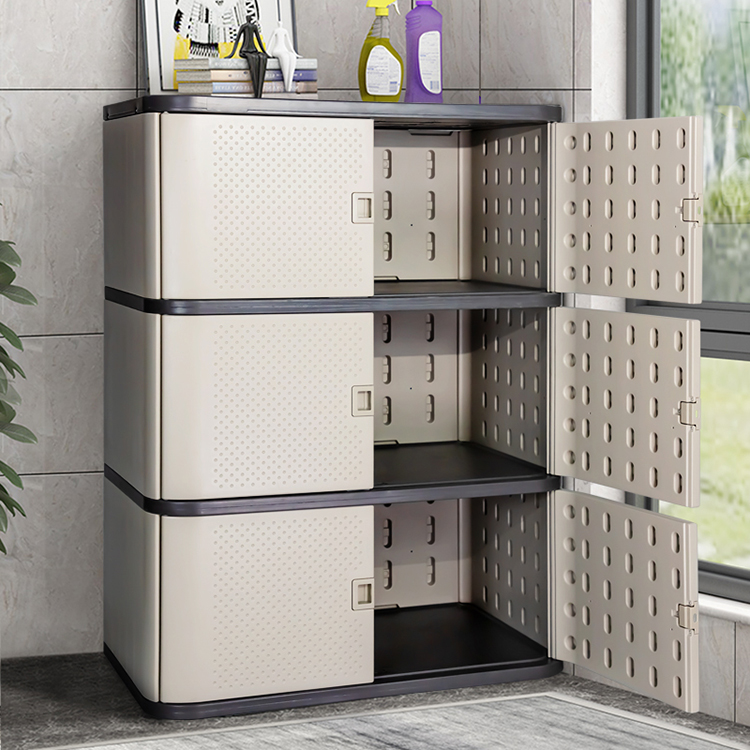
Here’s the thing — heavy duty plastic lockers made from HDPE or ABS don’t have these issues. No rust. No dents that stay forever. And cleaning them is honestly just a quick wipe.
Why HDPE and ABS Plastic Lockers Work So Well in Schools
HDPE plastic lockers are incredibly tough. They flex under impact and bounce back instead of denting like metal. We use them a lot in PE changing rooms and outdoor areas because they handle weather and rough use without complaining.
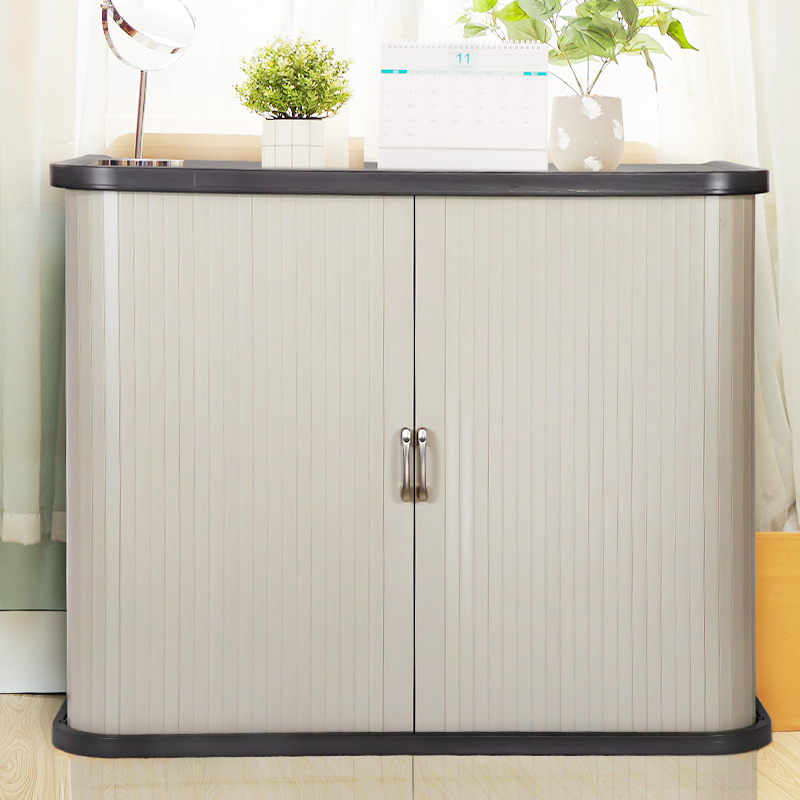
ABS plastic lockers are a bit more rigid and usually more budget-friendly, making them great for standard classroom or hallway use. Both types feel solid and look clean for years.
From our factory experience, the biggest mistakes happen when buyers pick the wrong material for the environment. A coastal school with salty air will destroy metal in no time. Indoor classrooms can do well with ABS, but high-traffic zones with sports bags do better with HDPE.
Real Project Examples We’ve Seen
One middle school installed school plastic lockers near the gym. The old metal ones were constantly rusty from wet towels. After switching to HDPE, the maintenance team told us they barely need to touch them anymore.
Another academy added phone lockers outside classrooms. Students drop their phones in during lessons and pick them up later — no more distractions. The teachers love it.
Honestly, this is where many buyers get confused. Two lockers might look almost the same on a spec sheet, but once they’re installed, humidity, student traffic, and temperature swings change everything.
We’ve also seen cheap plastic lockers warp after poor shipping because they weren’t properly packed. That’s why we always do vibration tests before sending them out.
Key Features That Actually Matter
Impact resistance: HDPE can take kicks and bumps without permanent damage
No rust, even in very humid areas
Easy to clean graffiti and stickers
Lightweight but strong — easier for schools to install and move around
Good color stability (if proper UV protection is used)
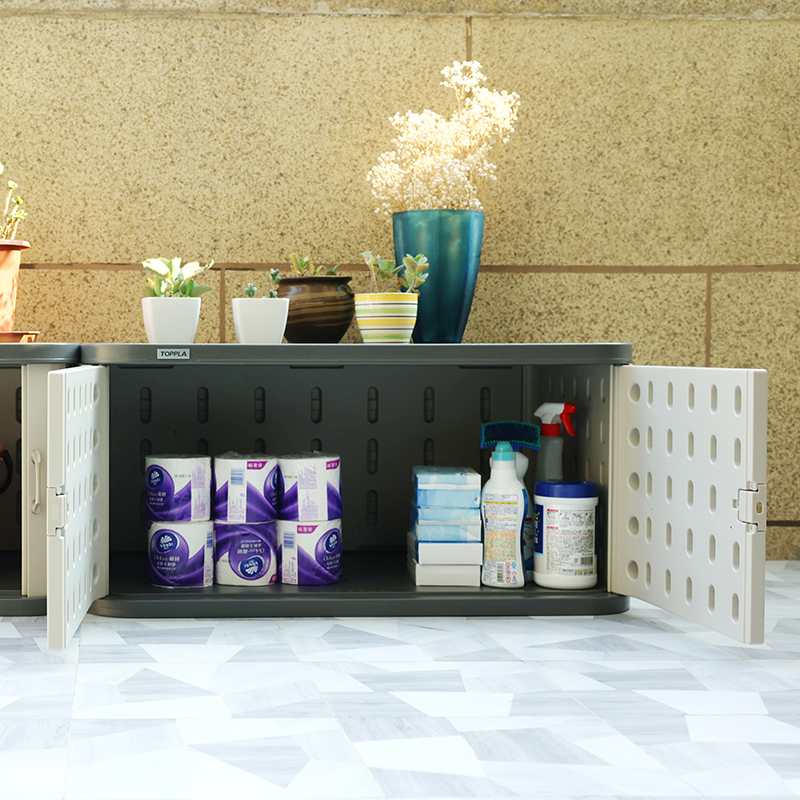
Ventilation design so wet sports clothes don’t stay damp and smell
Typical specs we use:
Door thickness: 8–12mm
Load capacity: around 40–60kg per compartment
Temperature tolerance: HDPE handles -40°C to +80°C comfortably
HDPE vs ABS Plastic Lockers – Quick Real Talk
HDPE is the champion for tough conditions — outdoor storage, pool areas, or heavy-use gyms. It’s more flexible and lasts longer in harsh environments.
ABS is excellent for normal indoor school use. It gives a crisp, professional look at a better price.
Both can be made as 1-tier, 2-tier, 3-tier, or even custom multi-compartment designs.
FAQ About School Plastic Lockers
1. Are HDPE plastic lockers really better than metal?
For schools, yes — especially for rust and dent resistance. They don’t corrode and stay looking new longer.
2. Which is better for schools: HDPE or ABS?
HDPE for wet or outdoor areas. ABS works great for regular indoor classrooms and hallways.
3. Do plastic lockers scratch easily?
High-quality ones resist scratches much better than people expect. Most marks wipe right off.
4. Can they be used outside?
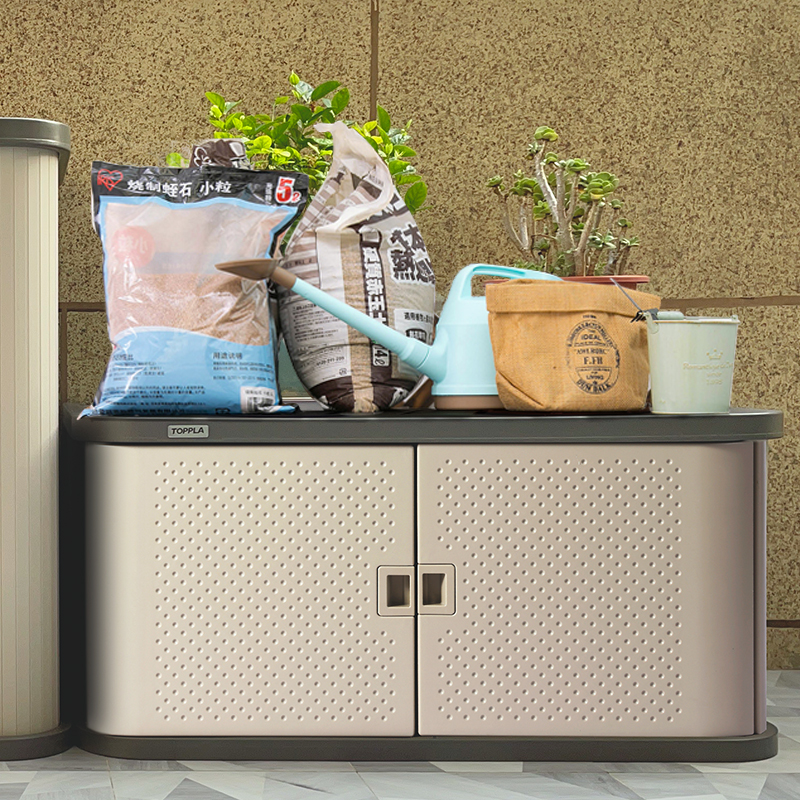
Definitely. HDPE heavy duty plastic lockers handle sun and rain very well.
5. How long do they actually last?
15 to 25 years with almost no maintenance if you choose the right type.
6. Are they more expensive than metal?
Upfront cost can be similar or slightly higher, but you save a lot on repairs and replacements later.
7. Can we add electronic locks?
Yes, most models support mechanical, electronic, or even app-based locks.
8. Do you offer custom sizes and colors?
Absolutely. We adjust heights, widths, shelves, and colors according to the school’s needs.
Wrapping It Up
Choosing the right school lockers isn’t just about buying something cheap today. It’s about avoiding headaches for the next 15–20 years. HDPE plastic lockers and ABS plastic lockers have proven themselves in real schools — fewer repairs, happier staff, and better-looking facilities.
If you’re planning a school renovation or new build, think about the actual conditions your lockers will face. The right choice makes a bigger difference than most people realize.
Got a project coming up? Feel free to drop us your requirements. We’ve helped many schools get this right the first time.