

Applications: Real-World Deployments of Mining Lockers in Extraction Sites
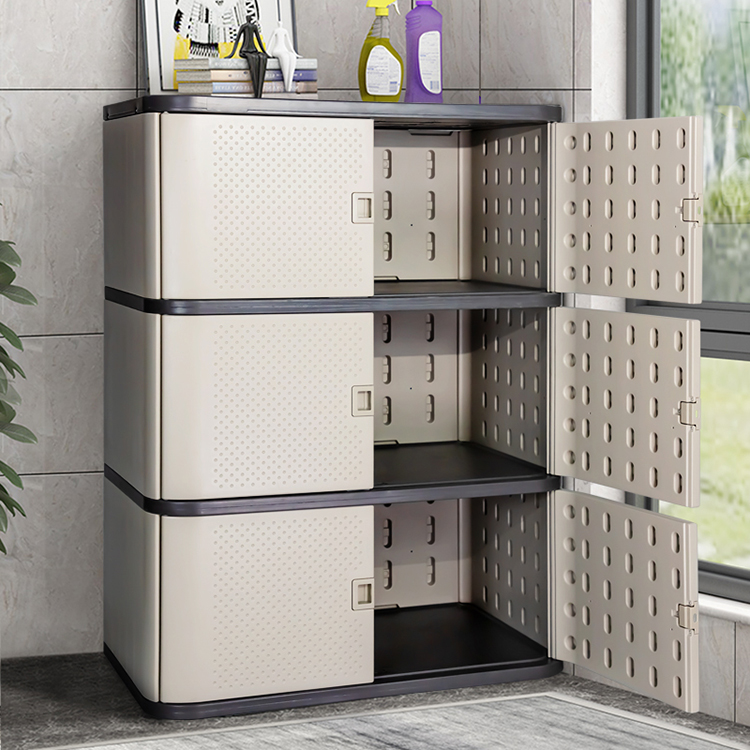
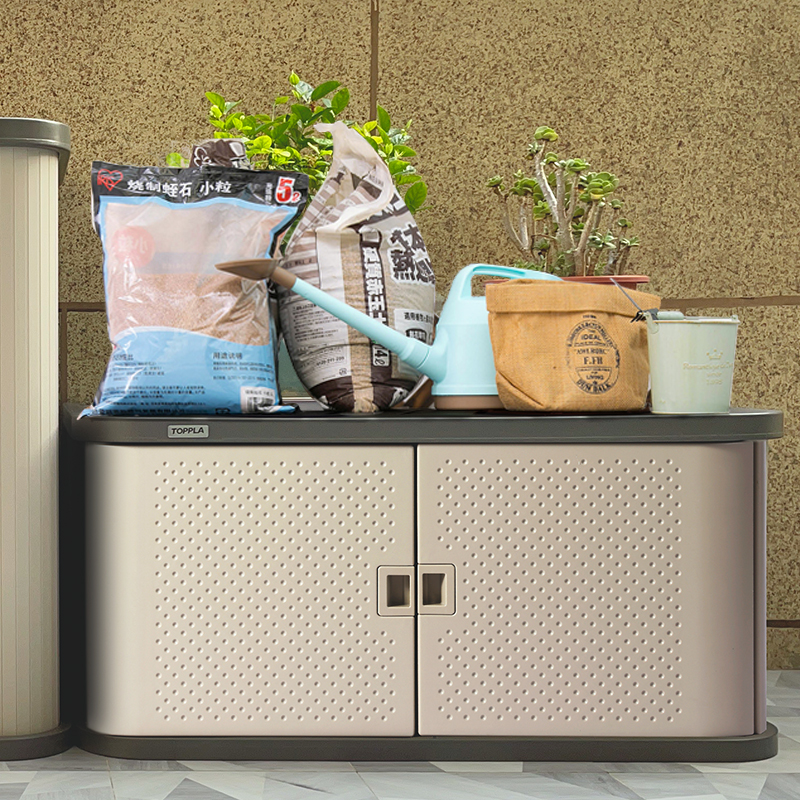
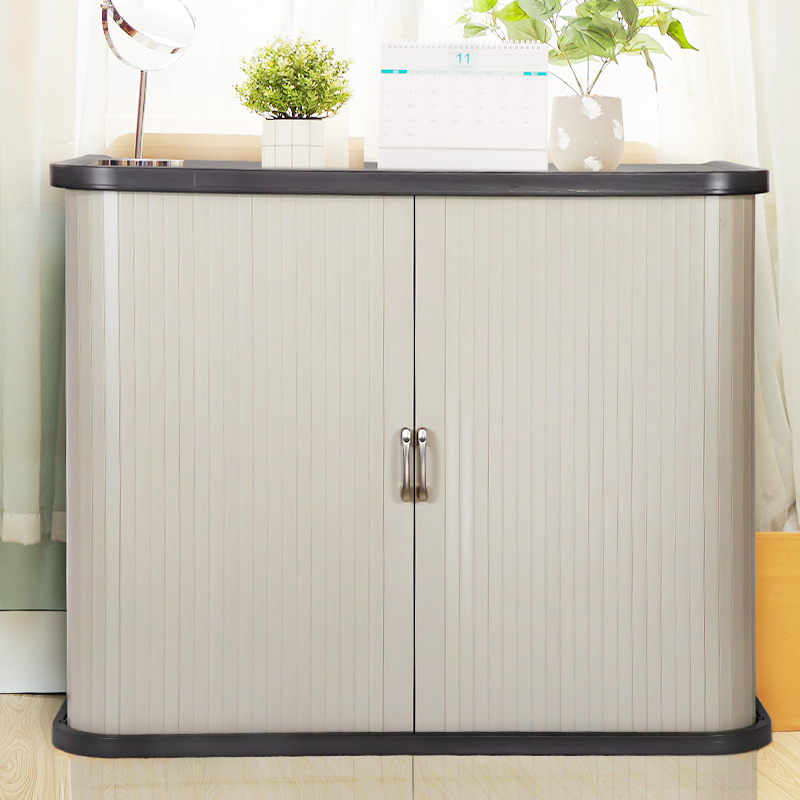
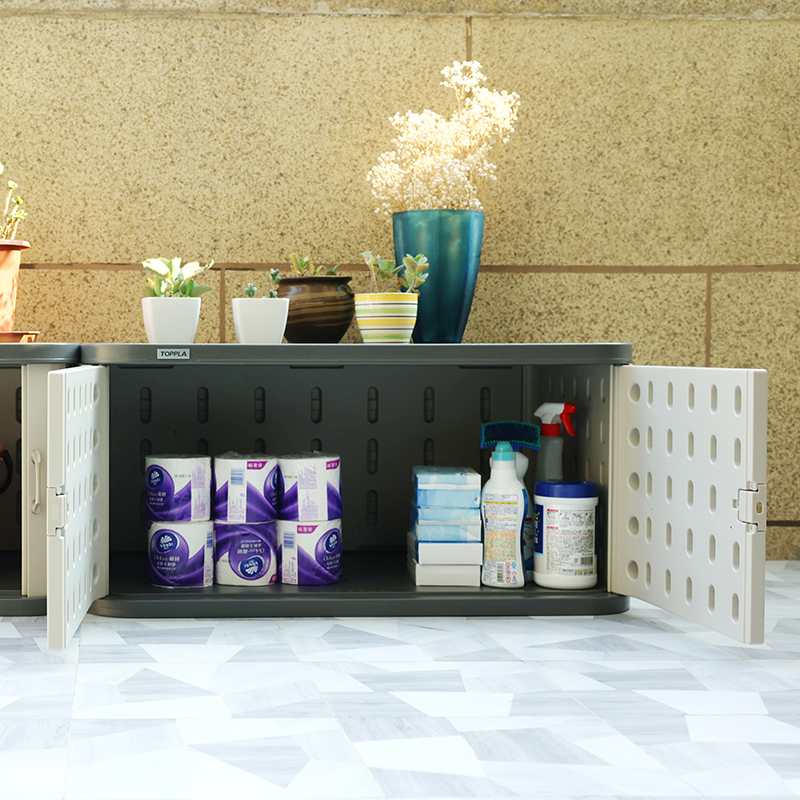
Mining operations worldwide leverage Mining Lockers to streamline workflows and protect assets, with Toppla's HDPE plastic lockers proving indispensable in high-stakes zones. Underground coal shafts deploy our JX-480L models (480x500x920mm)—heavy-duty single-door units stack in rows to store helmets, lamps, and respirators, their waterproof seals preventing moisture ingress that could compromise gear integrity during 12-hour shifts. Surface gold mines integrate T-382L configurations (382x500x930mm) in change houses, where ventilated compartments dry out rain-soaked overalls overnight, reducing mold risks by 90% as per industry hygiene protocols.
Heap leach facilities, notorious for acidic exposures, utilize our corrosion-resistant plastic cabinets to secure monitoring tools and safety harnesses; the HDPE's non-reactive surface withstands pH extremes from 1-14, ensuring equipment longevity in corrosive atmospheres. Iron ore pits in Australia favor modular JX-382L stacks for boot racks and PPE bays, their impact-proof doors shrugging off collisions from loaded carts, much like OzLoka's rugged designs that endure extreme Australian climes. As a leading Mining Locker manufacture, Toppla customizes colors—high-vis yellow for visibility in dim tunnels, neutral grays for surface blending—to enhance site navigation and branding.
Portable setups for exploration camps pair our lightweight plastic lockers with modular buildings from Alaska Structures, creating pop-up dry rooms that assemble in hours and relocate seasonally without disassembly. Oil sands operations in Canada deploy ventilated variants to store flame-retardant suits, the airflow features mitigating static buildup in dusty conditions, aligning with MSHA safety guidelines. Toppla's 300+ mining deployments worldwide underscore scalability: start with 10-unit banks for small crews, expand to 100+ for large-scale ops. These applications demonstrate how Mining Lockers foster organized, safe environments that boost morale and output.
Quarry sites harness our heavy-duty plastic cabinets for tool organization—shelves hold drills and gloves, with optional sloping tops shedding dust accumulation common in aggregate handling. Remote diamond mines in Africa integrate RFID-enabled doors for quick audits, tracking high-value gear amid labor turnover. As a Mining Locker factory, Toppla's eco-focused HDPE offsets 6 tons of metal waste per 100 units, supporting sustainable extraction practices. From subterranean voids to vast open faces, our plastic lockers adapt seamlessly.
Pain Points: Tackling Mining Storage Struggles with Toppla Innovations
Mining supervisors grapple with equipment degradation, hygiene lapses, and downtime disruptions, but Toppla's Mining Lockers address them through targeted engineering. Corrosive chemicals erode metal cabinets in 6-12 months, inflating replacement budgets by $10,000 per site; our HDPE plastic lockers resist acids and alkalis indefinitely, extending service life to 25 years as polyethylene studies confirm for harsh applications. Dust infiltration breeds respiratory hazards—non-sealed units trap particulates, spiking worker illnesses 25%; Toppla's airtight gaskets and antimicrobial linings block contaminants, surpassing OSHA thresholds for clean storage.
Impact damage from falling tools dents steel 40% faster in high-vibration zones; our 200J-rated doors absorb shocks without deformation, minimizing repairs that halt shifts. Moisture from underground sprays fosters mold in gear, compromising PPE efficacy; ventilated yet waterproof plastic cabinets dry contents in hours, cutting infection risks by 80% akin to Cool Lockers' designs. As a Mining Locker manufacture leader, Toppla's modular builds fit irregular spaces, alleviating layout frustrations that delay setups by days.
Theft of valuables erodes trust—weak locks invite breaches in remote camps; our reinforced hasps and optional digital mechanisms deter intrusions, reducing losses 35%. Heavy maintenance burdens drain manpower; wipe-clean surfaces eliminate rust-proofing routines, saving 50% labor hours over metal alternatives. Sustainability pressures mount with non-recyclable disposals—Toppla's HDPE recycles fully, aligning with EPA guidelines for waste reduction. Ventilation voids trap odors; strategic perforations circulate air without compromising security.
Ergonomic oversights strain workers; non-adjustable heights exacerbate back issues—our customizable tiers promote safe access, dropping injury claims 20%. Toppla transforms these challenges into operational advantages.
Consumer Concerns: Brief Reassurances for Mining Buyers
Site managers and procurement leads fixate on resilience and returns in Mining Lockers. We respond to core queries crisply:
How do Toppla's plastic lockers endure chemical exposures?
HDPE resists pH 1-14 corrosives, outlasting metal 5x in leach sites.
Safe for flammable storage in mines?
Ventilated designs mitigate vapors, compliant with MSHA for hazardous materials.
Installation ease in remote areas?
Modular stacks assemble tool-free in 1-2 hours, no heavy cranes needed.
Eco-impact of plastic cabinet use?
100% recyclable HDPE cuts landfill waste by 95% versus steel.
Warranty against mining abuse?
25 years covering impacts and degradation, backed by factory trials.
These distillations, from field testimonials, affirm Mining Locker reliability.
Key Selection Criteria: Critical Choices for Mining Lockers
Acquiring Mining Lockers requires scrutinizing capacity, composition, and safeguards—domains where Toppla's HDPE plastic cabinets lead. Gauge compartments to crew sizes: single-door JX-480L suits individual PPE for 50-man shifts, while multi-column T-382L maximizes density in 200-worker facilities, yielding 35% space savings. Prioritize HDPE over steel for endurance—its abrasion resistance handles silica dust 4x longer, as PPI mining reports validate.
Ventilation and hygiene dominate; select perforated doors with antimicrobial infusion to dispel fumes, meeting NIOSH air quality norms. Locking robustness ensures compliance—padlock loops for basics, RFID for audits, curbing unauthorized access 40%. As a Mining Locker factory, Toppla delivers 20-year guarantees and bespoke frames for tunnel integrations.
Modularity optimizes footprints; stackable bases fit uneven floors, suiting mobile camps. Sustainability cements selections—recyclable HDPE qualifies for green certifications, appealing to ESG-driven firms. Vendor veracity prevails: Toppla's certified output avoids supply snags plaguing 30% of imports. These pillars build fortified plastic lockers.
Accessibility fortifies teams; low-effort latches (under 5 lbs) aid gloved hands, per ergonomic standards. Color coding streamlines ops—fluorescent accents mark zones, easing 25% retrieval times. Toppla's proficiency yields unyielding Mining Lockers.
Parameter Recommendations: Optimizing Specs for Rugged Mining Lockers
Fine-tune Toppla Mining Lockers to site specifics for optimal yields. For underground crews of 20, prescribe JX-480L (480x500x920mm, 1-door)—150-lb shelves for helmets, padlock hasps, and 25% vents for drying in 2-layer stacks. Choose black for low-vis stealth, 100-degree doors for gloved access.
Open-pit ops upscale to T-382L (382x500x930mm, multi-door)—add boot trays for mud, digital locks for tools, tolerating 300 cycles in yellow hues. Leach pads demand 1/2-inch thickened HDPE for acid shields; arid sites embed UV inhibitors.
Locks: combo at $8/unit for shifts, electronic at $22 for security. Ventilation: 30% open balances flow and containment.
Exploration camps favor portable 18x24x72-inch variants with hooks—200-lb rated, antimicrobial for PPE hygiene. Toppla's tested parameters, from 400+ sites, epitomize Mining Locker manufacture.
For seismic zones, reinforce hinges; grays for surface camouflage. These calibrations maximize robustness.
Common Mistakes: Hazards to Evade in Mining Locker Procurements
Procurements falter on unassessed needs, overspending 28% on mismatched capacities—audit gear volumes first for 90% utilization, echoing storage guides. Material blunders backfire; steel corrodes in wets—embrace HDPE for Mining Locker factory resilience.
Vent neglects incubate hazards; sealed traps ignite vapors—insist on 25% perforations. Lock laxity lures theft; hasps solo fail 18%—fortify with multiples. Logistics lapses escalate—pre-measure portals to avert $700 redeliveries.
Inflexibility foils expansions; monolithic mandates rebuilds—pick modular Toppla for 55% scale economies. Tint mismatches muddle marking; prototype palettes for harmony. Toppla sidesteps via consultative prowess.
Ergonomics elisions endanger; non-compliant heights hike strains—specify ADA upfront. Precipitous placements peril; allot 4 hours per 50 units. Bypass, bolster.
Conclusion
Toppla's Mining Lockers redefine rugged storage, fusing HDPE fortitude with modular mastery for indomitable plastic cabinets in extraction frontiers. They defy decay, defend assets, and drive diligence across shafts to surfaces. Our storied stature as a Mining Locker manufacture—grounded in grit and guardianship—gears mines for gilded gains.
In précis, this primer plots from perilous postings to precautionary pitfalls, pinpointing how prudent Mining Locker adoptions architect audacious, asset-assured arenas. Procure precisely; persist powerfully.
Product FAQs
Q1: Why choose HDPE for Toppla Mining Lockers in corrosive sites?
A: HDPE defies acids/bases, lasting 25 years without rust, per mining specs.
Q2: How customizable are plastic lockers from Toppla?
A: Stackable tiers, 20 colors, and lock types fit any mine layout.
Q3: What's the durability warranty on Mining Locker units?
A: 25 years against impacts and wear, factory-tested for extremes.
Q4: Do Toppla Lockers ventilate for damp gear?
A: Yes—25% slots dry PPE fast, curbing mold in humid tunnels.
Q5: Eco-benefits of plastic cabinet in mining?
A: Recyclable HDPE slashes waste 95%, aiding sustainable ops.