

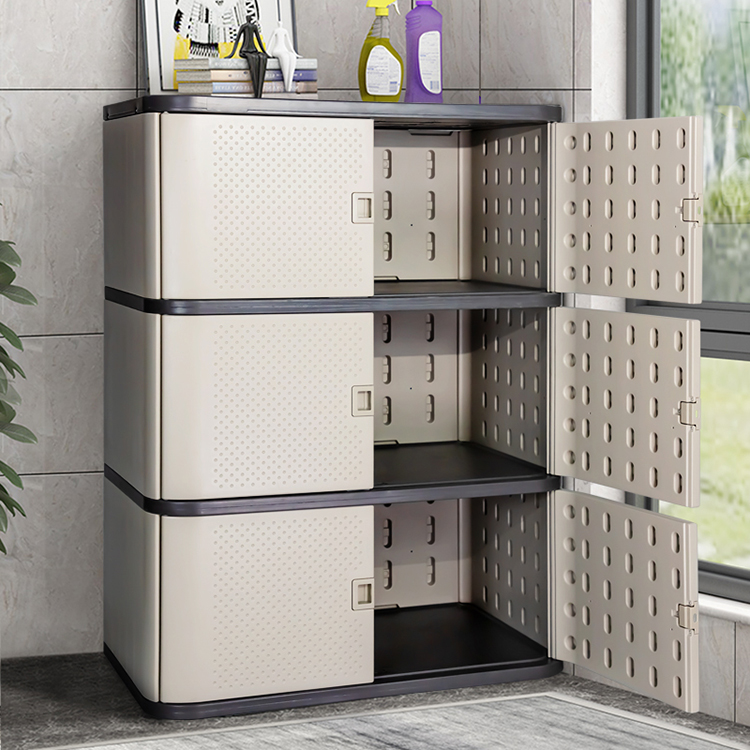
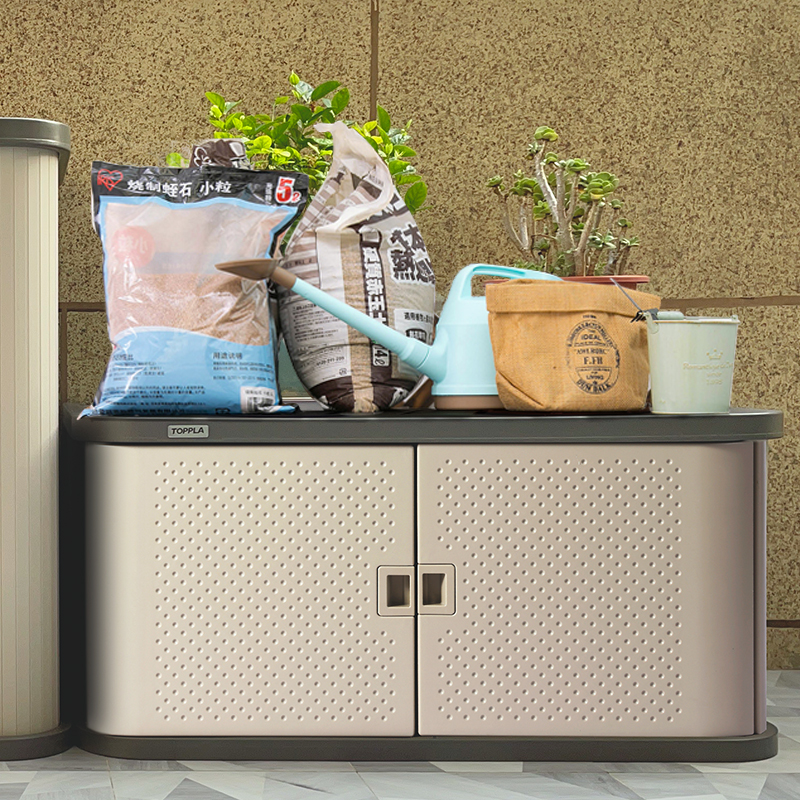
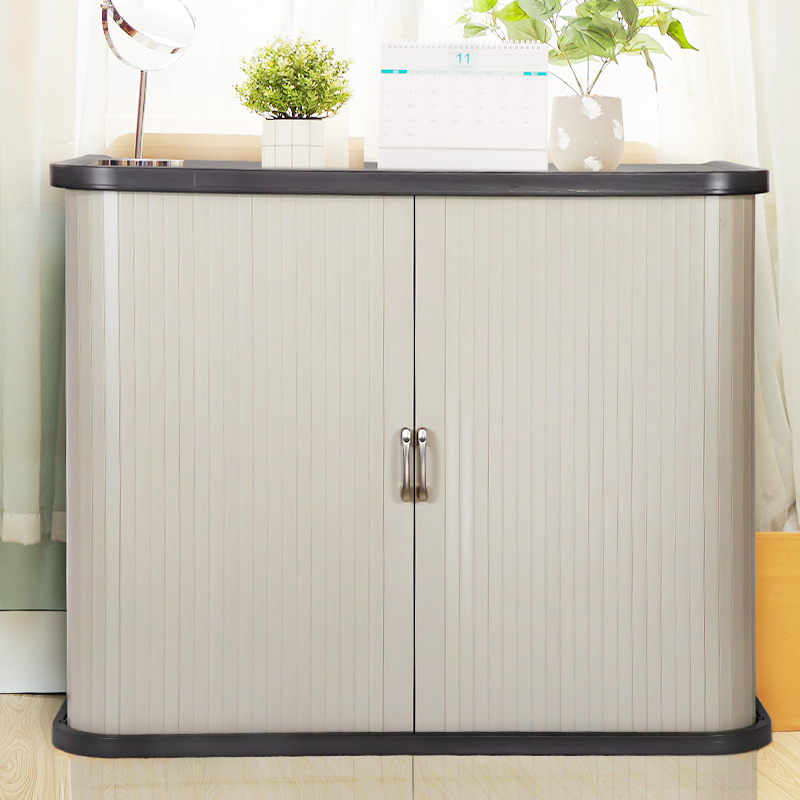
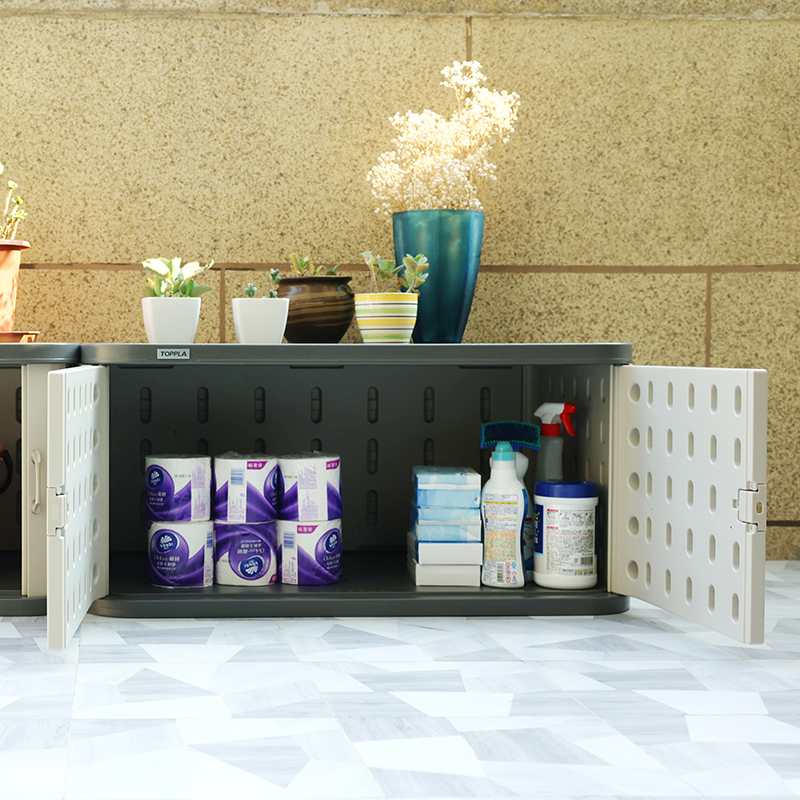
When you walk through the halls of a bustling middle school or high school, you’ll find a familiar sight: rows of lockers where students store backpacks, jackets, phones and sports gear. These standard storage units have served schools for decades. But as schools now demand higher performance—durability, hygiene, flexibility, cost-effectiveness—the conventional metal locker doesn’t always cut it. That’s why many schools are moving toward a new generation of solutions: the School Locker crafted from advanced materials, especially HDPE plastic, tailored to fit modern needs including “Phone lockers for schools”, clever storage in “middle schools”, and so-called “Classroom cool lockers” with updated aesthetics and tech-friendly design.
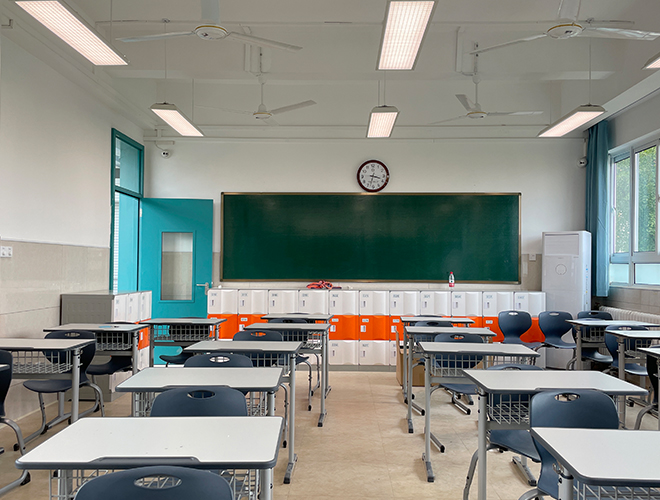
In this article I’ll explain what modern school lockers are (and what they should be), highlight the technical advantages of HDPE-based student storage lockers, show you key decision-making questions from the consumer perspective, and draw on industry insights for authority and credibility. If you are a school administrator, facilities manager, or purchasing decision-maker, you’ll gain a clearer understanding of how to specify a locker system that supports your school’s operations, culture and budget.
What is a School Locker (and Why It Matters)
A School Locker is more than just a place to stash a backpack. It is a built-in part of the learning environment: a personal space for a student in a communal setting. According to general definitions, a locker is a narrow storage compartment commonly found in schools, workplaces or public areas, designed for short-term secure use.
In the context of school settings the right locker must do more than just hold items—it must:
Withstand high-traffic, heavy abuse, shifting contents (from books to sports gear to phones under locks).
Provide security (lock mechanisms, theft resistance) and support hygiene (easy to clean, resist mold/rust).
Adapt to design requirements (colors, branding, modular configuration for “Phone lockers for schools”, extra hooks, variable heights for “middle schools”).
Deliver long-term value—minimizing maintenance and replacement cost.
When a school chooses lockers poorly, problems emerge: dented and scratched metal, rusting, noisy slams, vandalism, maintenance headache, and a dated look. For example: “The sound of a metal locker slamming shut can make anyone have a flashback to when they were back in school.” By contrast, a modern student storage locker built from HDPE addresses many of these issues and raises the bar for performance and aesthetics.
Why Modern HDPE Student Storage Lockers Are a Smart Choice
Let’s dig into the core advantages of modern locker systems—focusing in particular on HDPE (High-Density Polyethylene) material, smart design for “Phone lockers for schools” and adaptability for “Classroom cool lockers”.
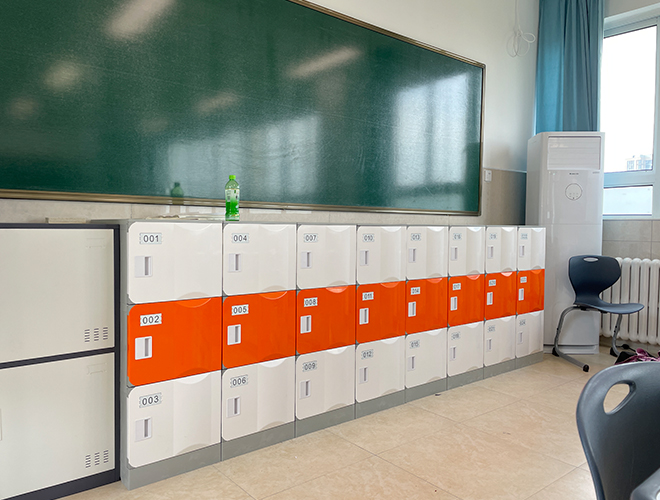
Material & Structural Advantages: HDPE vs Metal
One major shift in school locker design is moving away from traditional steel toward HDPE plastic shells. Industry research highlights multiple benefits:
HDPE does not rust, unlike metal, especially important in humid or wet environments (locker rooms, sports zones).
It resists dents, scratches and impact far better. “HDPE lockers absorb impact without denting or bending. This makes them especially suitable for unsupervised areas or younger student groups.”
HDPE offers easier maintenance: surfaces resist graffiti, are easy to clean and avoid repainting needs.
The material supports quieter operation (no metallic clang), improving environment in busy hallways.
In terms of sustainability and life-cycle cost, HDPE can deliver a longer useful life, reducing replacement frequency.
Putting that into practical terms: when your school invests in a locker bank, you want it to perform for years. A locker built with advanced HDPE plastic and smart engineering supports that goal.
Design & Functionality for Modern Student Needs
Beyond material, the design of a student locker now must meet evolving demands—especially around tech, customization and flexibility.
For “Phone lockers for schools”: Many schools require students to store phones securely during class. A locker system that includes dedicated phone cubbies, charging ports or locks is increasingly relevant.
For “middle schools”: Age-appropriate design matters. Mid-teens carry heavier loads (books, laptops, sports kits). Lockers need appropriate depth, strong shelving and secure lock mechanisms.
For “Classroom cool lockers”: Aesthetic matters for school culture. Color customization, graphics, branded school-logos, modular layout all matter. Designs no longer acceptable to simply look utilitarian.
Smart features: Anti-microbial surfaces, ventilation (to dry out sport gear), integrated hooks/shelves, quiet door mechanisms, modular banks that allow different tier configurations.
Security/design flexibility: Locking mechanisms (padlock-ready, digital cam locks), ability to reconfigure (two-tier vs single tier), customization to suit special needs (early grades vs older students).
Modern locker systems do not just store—they support the student experience, operational efficiency and school culture.
Operational & Business Value
The decision to install high-quality locker systems carries implications for maintenance budgets, downtime and long-term value.
Lower maintenance means fewer repairs, less replacement, reduced staff time. HDPE systems mean fewer rusted parts, fewer repainting cycles.
Improved hygiene and cleanliness matter: Schools increasingly emphasise cleanliness, footprint, student safety. A locker surface that resists mold, bacteria, rust enhances facility quality.
Flexibility and longevity mean you amortize the investment. The upfront cost may be higher than basic metal lockers—but long-term savings and improved user satisfaction often justify it.
When your facilities team presents options, being able to show “20-year lifespan, low maintenance, modular setup” helps win support from administrators and budget committees.
Technical Features You Should Look For
Here is a more detailed breakdown of technical specifications and design elements to evaluate when selecting a school locker system. These are the features I would personally check if I were buying/sourcing the system.
Material & Shell
Solid-sheet HDPE construction (not thin veneer or laminate). Ensures moisture resistance, impact absorption.
No welding seams or minimal joints that can corrode or delaminate.
Reinforced frame or backing to support heavy loads (backpacks, laptops, sports kits).
Color stability and graffiti-resistance built into the surface (not just painted over).
Certification of material (UL, etc) or warranty information for long-term durability.
Door & Locking Mechanism
Quiet door closers or soft-close design to reduce noise (supports the “Classroom cool locker” feel).
Locking system compatible with your school’s operation: padlock-ready, cam-lock, digital lock options for “Phone lockers for schools”.
Ventilation or slotted surfaces if sports equipment or PE bags are stored (to reduce odor/mold).
Handle design safe for students (no sharp edges, easy grip).
Interior & Ergonomics
Adequate depth and shelf design to handle laptops, binders, sports gear. Especially in “middle schools”, backpacks tend to be heavier.
Hooks, compartments, or dedicated phone cubbies for device storage.
Height and tier configuration to match student age group: for middle schools, maybe lower height; for high schools, full height lockers. Some guidance suggests specific reach compliance for accessibility.
Quiet hinges, smooth finish, easy-clean surfaces to support daily use and cleaning protocols.
Installation & Mobility
Modules that install quickly, with minimal disturbance. Schools often must upgrade during vacations.
Modular banks: ability to stack tiers, adjust widths/depths as student numbers or building footprint changes.
Low weight construction (HDPE is lighter than steel) means less structural load on building.
Maintenance access (for locks or parts) and possibility of future expansion or reconfiguration.
Hygiene, Maintenance & Lifecycle
Moisture resistance is extremely important near bathrooms, PE changing rooms or humid climates. Traditional lockers rust, mold can form.
Easy cleaning: smooth HDPE surfaces, fewer nooks where bacteria or graffiti accumulate.
Warranty, lifespan information: Many industry sources suggest HDPE locker systems have significantly longer useful life than metal.
Sustainability: Some HDPE lockers contain recycled content, offer long life and are fully recyclable at end of life.
From a Consumer/School Administrator Perspective: What You Might Ask
Here are key questions and succinct answers from the perspective of a school decision-maker evaluating locker systems.
Q: Will these lockers actually last long enough to justify higher upfront cost?
A: Yes. Modern HDPE lockers withstand dents, rust and heavy use longer than standard metal. Schools that switched cite lower maintenance and longer useful life.
Q: How do they compare in terms of student experience (noise, aesthetics)?
A: Much better. HDPE systems slam quietly, offer cleaner finish, better aesthetics and customization (colors/logos) enhancing the “Classroom cool locker” feel.
Q: Are they suitable for our middle school students or younger?
A: Absolutely. The design can accommodate younger age groups with appropriate height, durable materials, safe handles. And because HDPE resists impact, the rougher usage typical of younger students is less problematic.
Q: How do we handle phones or tech devices storage?
A: Look for lockers with dedicated phone cubbies, secure lock options and charging/ventilation features to manage devices. The base locker system is adaptable to these features.
Q: What about maintenance and cleaning?
A: HDPE surfaces make cleaning easier; rust or corrosion costs drop. Schools report fewer repairs, less repainting, and lower overall maintenance costs.
Q: Can we customize lockers to support school branding or color schemes?
A: Yes. Many HDPE locker systems offer color options, custom finishes and branding integrations—helping reinforce school identity and making student spaces feel intentional.
Q: How do we choose between metal vs plastic/HDPE lockers?
A: You should compare durability, maintenance cost, suitability for your environment (moisture, high use), student age, budget. Many newer guides point toward plastic/HDPE especially where moisture or heavy vandal use is a risk.
How to Specify and Select the Right Locker System
When your school goes to procurement, here’s a structured approach to selecting the right School Locker solution:
Define Usage Profile
Student age group (elementary, middle schools, high schools).
Stored items (books only? sports gear? devices?).
Traffic and abuse level (open halls vs controlled corridor).
Environmental conditions (humidity, proximity to baths/shower rooms).
Material & Durability Requirements
Prefer HDPE locker systems if moisture, rust or vandalism are concerns.
Confirm warranty length, impact resistance, rust/mold resistance.
Check for low-maintenance claims and real school case-studies (e.g., “Why schools are choosing HDPE”).
Design & Configuration Options
Tiering (single height vs two/three tiers) based on space and student size.
Depth and width sufficient for modern loads (laptops, backpacks).
Dedicated phone/device lockers if needed (“Phone lockers for schools”).
Custom color/branding options (“Classroom cool locker” design).
Security & Locking Features
Lock compatibility with school policy (padlock, cam lock, digital).
Ventilation/slotting if storing sports or damp gear.
Quiet operation (hinges, sound reduction) for peaceful hallways.
Installation & Flexibility
Modular banks that install and relocate easily.
Lightweight units (HDPE) reduce structural load and may simplify installation.
Ability to adjust or expand in future.
Maintenance & Lifecycle Cost
Check for maintenance history, expected life span.
Compare lifecycle cost (installation + maintenance + replacement) not just upfront.
Seek warranty, surface quality, ease of cleaning.
Supplier Credibility & Case Studies
Review the manufacturer’s track record (years in business, school projects).
Ask for references from other schools.
Check that material claims (HDPE) are substantiated.
Case Example & Industry Insight
To bring this into context: One industry article titled “Why Schools Are Choosing HDPE Over Traditional School Lockers” highlights how HDPE plastic construction offers “a strength and durability that thin steel … can’t compete with.” Another article emphasises “Durability that Doesn’t Rust: Unlike their metal counterparts, HDPE plastic boasts exceptional resistance to damage from rust, dents, and scratches.”
These insights reinforce that the transition from metal to plastic/HDPE is not just aesthetic—it’s structural, operational and financial. As schools upgrade corridors, seek phone storage solutions, or refresh aging infrastructure, the right locker system becomes a strategic investment, not just a furniture purchase.
Conclusion
Choosing the right School Locker in today’s educational environment demands more than simply picking a color or lock type. It involves understanding material performance (HDPE vs metal), user-experience demands (quiet, customizable, device-friendly), operational logistics (installation, durability, maintenance) and long-term value.
When your school invests in a locker system built from advanced HDPE plastic, designed for modern student needs (including “Phone lockers for schools”, “middle schools”, “Classroom cool lockers”), you’re not just upgrading storage—you’re upgrading the student environment, operational efficiency and your facility’s lifespan.
In short: Choose durability, choose flexibility, choose student-friendly design. A well-specified HDPE locker bank will serve your school not just today—but for many years ahead.