

Real-World School Environments Suited for Plastic Lockers
Busy corridors see students grabbing items quickly between periods, demanding quick-access designs. Athletic facilities deal with damp towels and equipment in steamy conditions after practices. Poolside areas expose storage to chlorine splashes and constant wetness. Younger learners benefit from softer edges and lower heights in primary classrooms. Some campuses even place units outdoors for events or overflow.
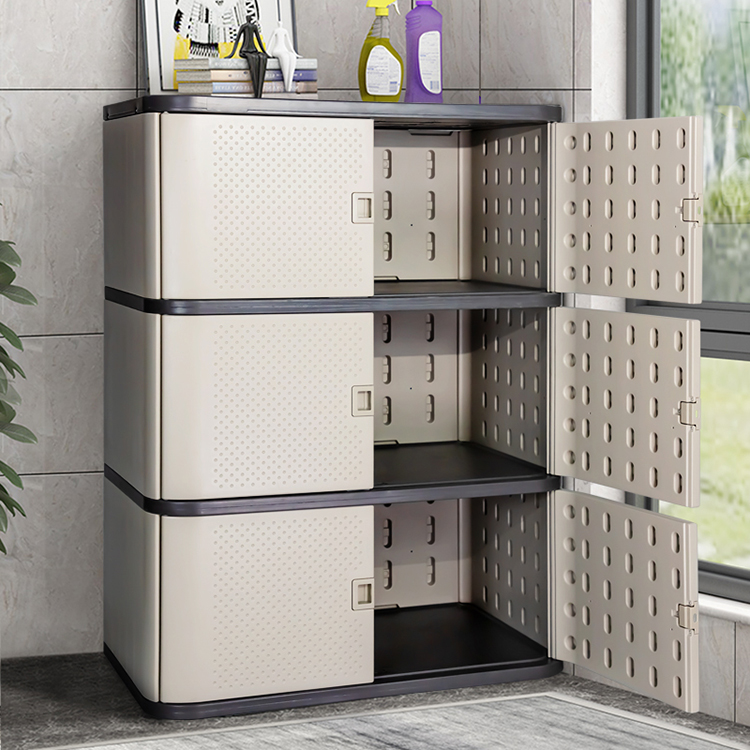
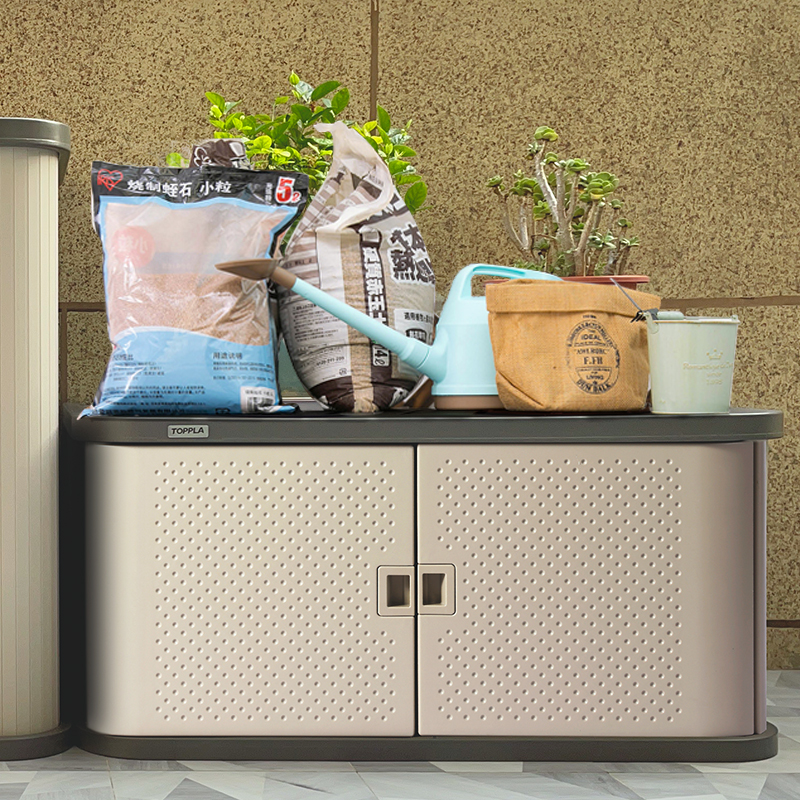
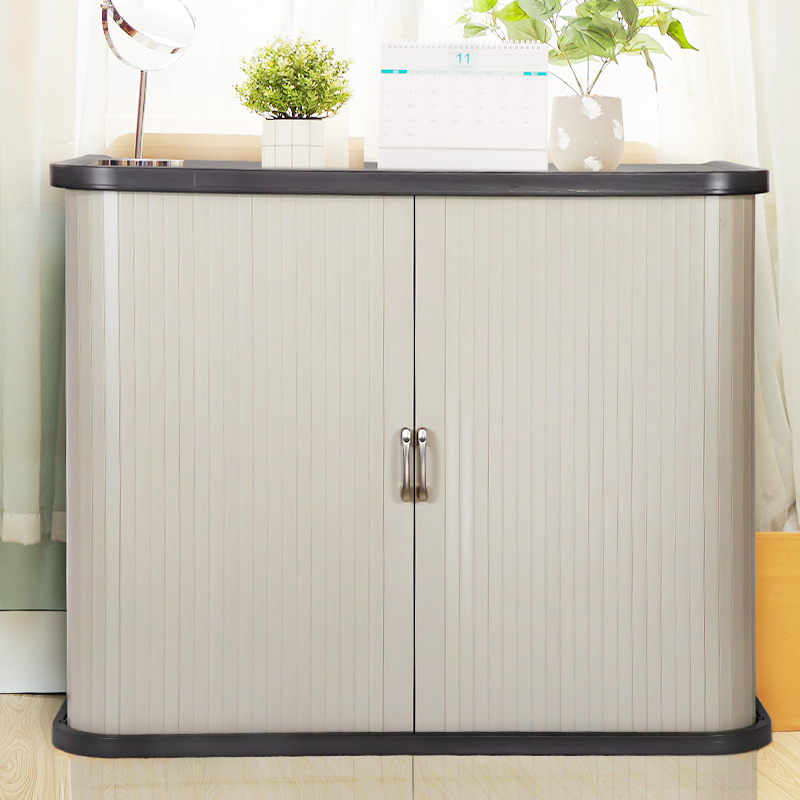
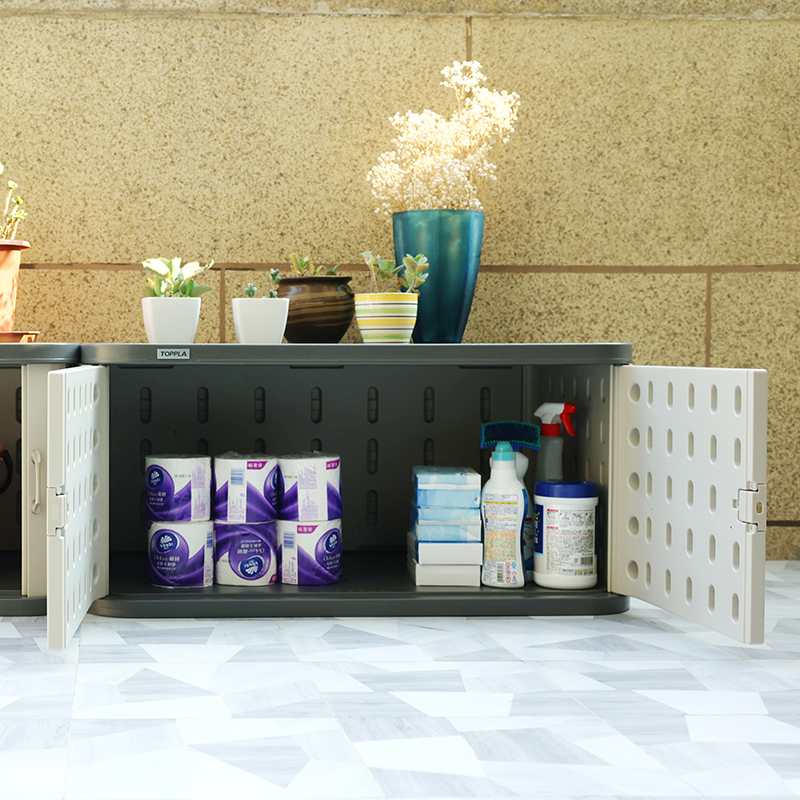
Toppla's HDPE plastic lockers handle these varied demands effortlessly. Thick material ensures plastic locker doors resist forceful closes without warping. Perforated vents in doors allow air flow, drying contents rapidly and blocking mildew growth. As experienced plastic locker manufacturers, we build modular rows that conform to tight spaces or large open rooms. Schools energize hallways with our extensive palette, selecting shades that reflect mascots or create calming zones.
Persistent Challenges with Legacy Locker Systems
Conventional steel units develop rust spots in moist zones, requiring frequent touch-ups or full replacements. Impacts leave permanent dents, turning neat rows into patchy eyesores. Markers and scratches demand strong solvents that fade finishes faster. Doors clang loudly, echoing through adjacent rooms during transitions.
Older wood styles absorb water, swelling joints or fostering splinters that risk cuts. Custodial staff devote excessive time to fixes, inflating operational costs. Poor air circulation traps smells from gym clothes or lunches. Weak spots invite tampering, raising security concerns.
Heavy duty plastic lockers from HDPE address these directly. The solid polymer repels water, shocks, and inks completely. Plastic locker doors swing silently on durable hinges. Schools report substantial budget relief after adopting solutions from trusted plastic locker manufacturers.
Typical Buyer Questions – Direct Responses
Procurement teams often seek clarity on performance:
How tough are they against rough treatment?
HDPE withstands impacts dramatically better than steel in lab tests, backed by 20-year warranties from reputable plastic locker manufacturers.Do they protect valuables adequately?
Sturdy plastic locker doors integrate reinforced hasps for padlocks, combos, or electronic mechanisms.What about sanitation in communal areas?
Smooth, non-porous HDPE blocks germs and smells; hose or wipe clean in minutes.Do options exist for school-specific styling?
Toppla supplies over 25 fade-proof hues and layouts to reinforce branding.Is HDPE environmentally responsible?
Many incorporate recycled content and qualify for full recycling afterward.
Essential Considerations When Choosing School Lockers
Prioritize material integrity upfront. Premium HDPE outperforms lower-cost plastics in sustained abuse. Reliable plastic locker manufacturers specify substantial thicknesses—often 12mm for doors and 10mm for sides—to guarantee rigidity.
Demand functional venting via louvers or slots in plastic locker doors to circulate air effectively. Align tier counts with student ages: tall single tiers for teens hanging uniforms, stacked multiples for elementary sharing limited floor area. Review lock compatibility and add-ons such as internal organizers.
Toppla differentiates through flexible modular builds among plastic locker manufacturers. Incorporate sloped tops to deter piling debris. Our heavy duty plastic lockers use stainless pivots rated for endless cycles.
Emphasize child-friendly aspects like smooth radii on edges. Extended guarantees from proven plastic locker manufacturers underscore quality commitment.
HDPE Advantages Compared to Other Options
HDPE excels where steel falters in dampness—zero corrosion occurs. Heavy blows crumple metal yet glance off heavy duty plastic lockers. Permanent markers erase instantly from textured HDPE without trace.
Doors operate near-silently, avoiding disruptive noise. No repaints ever needed, freeing funds elsewhere. Sustainable sourcing appeals to green initiatives.
Frameless plastic locker doors grant maximum interior reach. Dual-level vents accelerate drying. Campuses note significantly reduced odor issues following transitions.
Suggested Specifications for Reliable School Performance
Typical door widths span 300-400mm to accommodate bulky bags. Depths of 450-550mm fit winter outerwear. Full single-tier units stand 1800-1900mm for garment hanging.
Require at least 12mm plastic locker doors to deter forced entry. UV additives safeguard exterior placements. Add hooks, ledges, and identification tags inside.
Toppla advises for educational use:
350mm width for older pupils
500mm depth for athletic gear
Bold color combinations to spark enthusiasm
Interlocking formats ease transport and setup. Units ship assembled or knockdown for access challenges.
Configuration Variations
Single-Tier: Maximizes vertical space for secondary athletes storing full outfits.
Double-Tier: Optimizes footprint in intermediate grades.
Four-to-Six Tier: Boosts capacity for primaries handling compact belongings.
Z-Layout: Adapts to irregular architecture.
Frequent Regrets in Locker Acquisitions
Buyers chasing rock-bottom prices encounter premature failures in thin polymers. Inadequate venting breeds mold complaints in athletic zones. Skipping accurate measurements triggers costly adjustments.
Fixed designs hinder later expansions. Mismatched locks annoy daily users. Partnering with inexperienced plastic locker manufacturers invites inconsistencies.
Toppla prevents these through detailed planning support. We tailor proven HDPE plastic lockers to precise requirements. Our reinforced constructions sidestep routine breakdowns.
Additional Pitfalls to Sidestep
Dismissing graffiti-proof textures.
Overlooking height accommodations for varied users.
Ignoring foundation evenness needs.
Glossing over guarantee terms from plastic locker manufacturers.
Product FAQs
What sets HDPE apart from metal in school settings?
HDPE avoids rust, dents, and graffiti entirely while providing quiet operation and negligible maintenance. It manages wet conditions and impacts superiorly.Are plastic locker doors sufficiently robust?
Thick HDPE with metal-reinforced hardware supports diverse locks for reliable safeguarding.How should heavy duty plastic lockers be maintained?
Simple soap-water wipes or pressure rinsing suffice on impermeable surfaces that defy stains and microbes.Suitability for outdoor school use?
UV-fortified HDPE resists weathering, color loss, and deterioration.What coverage do your HDPE plastic lockers include?
Toppla extends 15-20 year protections on structural elements under standard educational conditions.